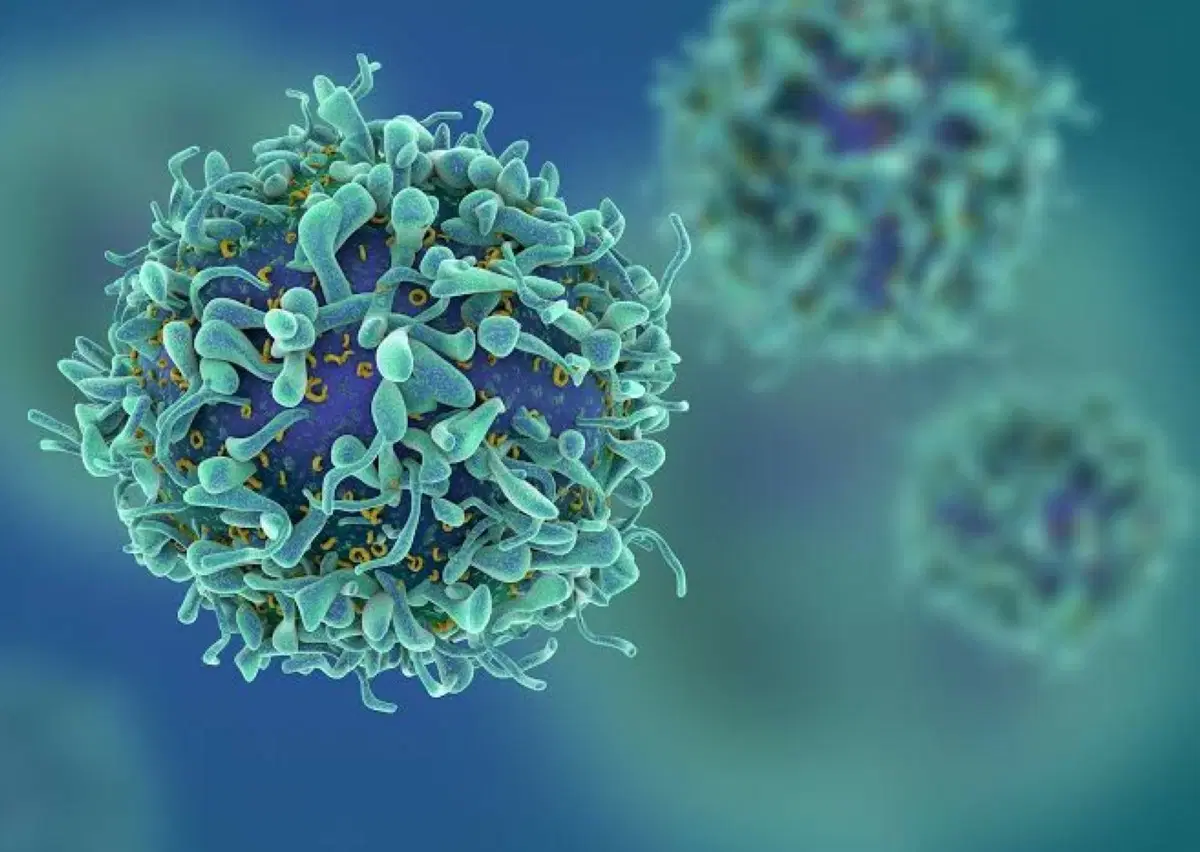
Researchers have discovered a new experimental approach that could help immune cells fight cancer more effectively and maintain their ability to attack tumors for longer, by activating a protein that plays a key role in protecting the body from cancer.
A study conducted by a team at the UCLA Jonsson Comprehensive Cancer Center revealed that activating the p53 protein using an experimental drug improved the performance of immune cells, reduced signs of stress and exhaustion, and increased their ability to eliminate cancer cells in laboratory experiments.
The study's findings were published in the journal Frontiers in Immunology and could represent a new step toward developing cancer immunotherapies without the need for additional genetic modifications.
Overcoming Immune Cell Exhaustion
Some modern immunotherapies rely on extracting T cells from a patient’s body, genetically modifying them in the lab to recognize and attack cancer cells, then reintroducing them into the body.
However, these treatments face a major challenge known as "T cell exhaustion," a condition in which immune cells gradually lose their ability to proliferate and resist tumors due to repeated exposure to cancer cells.
To address this, researchers focused on the p53 protein, known as the "guardian of the genome," to explore how its role could be leveraged to enhance immune cells' ability to sustain their function.
Experimental Drug Enhances T Cell Performance
The team tested an experimental drug called "Navtemadlin" that increases p53 protein activity by inhibiting another protein that regulates its levels.
Researchers treated human T cells with the drug after genetically modifying them to target melanoma skin cancer cells, then compared their performance to untreated cells.
The results showed that drug-treated cells exhibited several improvements, most notably:
Enhanced ability to survive and proliferate upon repeated exposure to cancer cells.
Reduced markers of immune exhaustion and greater energy reserves.
Increased production of proteins that help the immune system attack tumors.
Improved ability to kill melanoma skin cancer cells, with superiority becoming evident around 40 hours into the experiment.
Maintained enhanced anti-cancer capacity without requiring the addition of "interleukin-2," a protein commonly used to support immune cell growth and survival.
Dose Determines Trial Success
Researchers observed that the drug's effect varied depending on the dose used: low concentrations promoted immune cell growth, while high concentrations increased cell death rates.
This finding highlights the importance of determining the optimal dose to achieve therapeutic benefits without harming immune cells.
The researchers believe that using the drug during the immune cell preparation phase for therapy could offer a way to improve the efficiency of current treatments without requiring additional genetic modifications.
Lead researcher Dr. Joseph Crompton said the findings reveal a potential new role for the p53 protein in helping immune cells retain their cancer-fighting ability, in addition to its well-known role in protecting cells from becoming cancerous.
Despite the promising results, this approach remains in the laboratory testing phase, and further studies are needed to assess its safety and effectiveness before it can be trialed and applied to cancer patients.