New Russian molecules fight cancer and infection together
Amman2 min read
Share
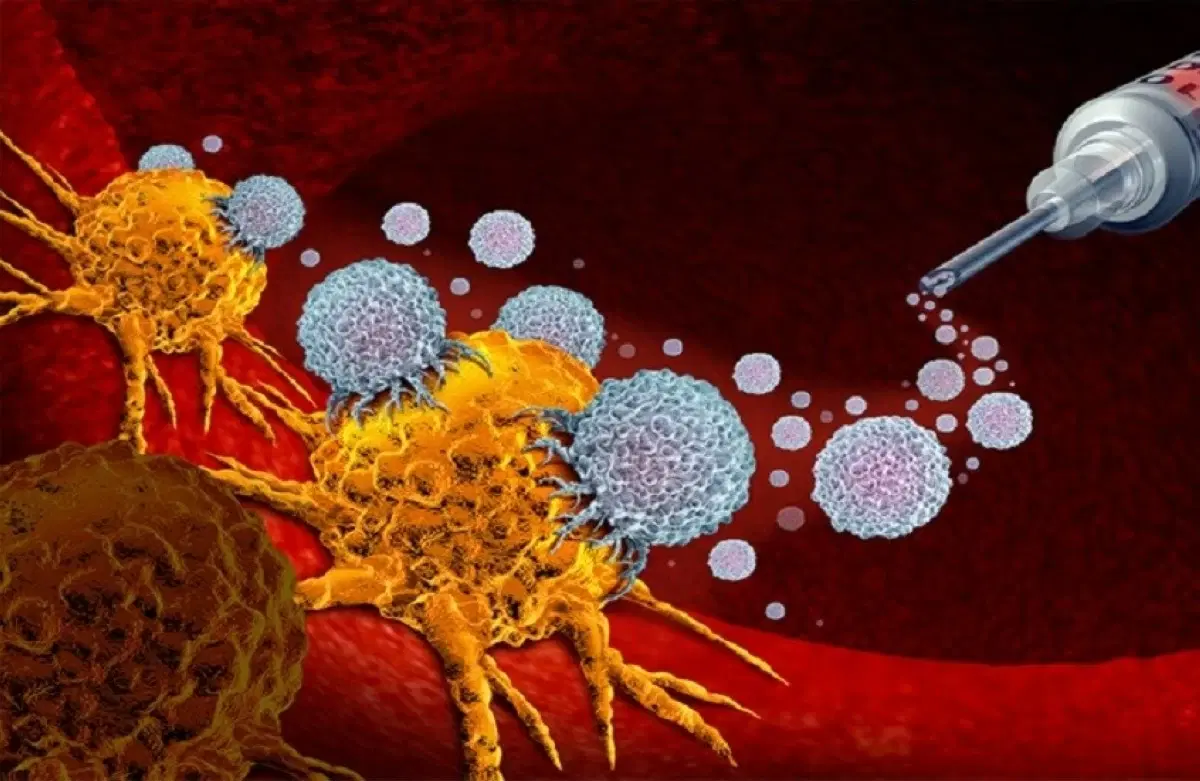
Scientists from Volgograd State Medical University and the Institute of Molecular Biology of the Russian Academy of Sciences have innovated new hybrid molecules that could pave the way for developing drugs that combine fighting cancer and countering bacterial infection simultaneously.
The researchers explained that the new compounds are based on merging two molecules known for their biological properties, quinazoline-4 and coumarin, into a single molecular structure, with the aim of expanding the range of therapeutic efficacy and directing the drug's effect toward specific targets.
Professor Mikhail Novikov pointed out that this combination may allow for the design of compounds that target cancer cells more effectively, in addition to enhancing their ability to resist bacteria, which is of particular importance for cancer patients who are at higher risk of infection due to a weakened immune system caused by chemotherapy.
Initial experiments showed that one of the developed compounds is capable of stimulating programmed cell death in cancer cells, and it also recorded moderate toxic effects against leukemia cells and neuroblastoma, which affects the nervous system in children.
However, tests on laboratory animals revealed some side effects, although these could be limited by modifying the compound's molecular structure.
The researchers intend to continue working on improving these compounds, with a focus on reducing their cardiotoxicity and increasing their bioavailability within the body, in preparation for assessing their suitability for progression to clinical trials on humans.
These molecules are still in the research and experimental stage, yet their initial results open horizons for developing future treatments that target both tumors and infections.