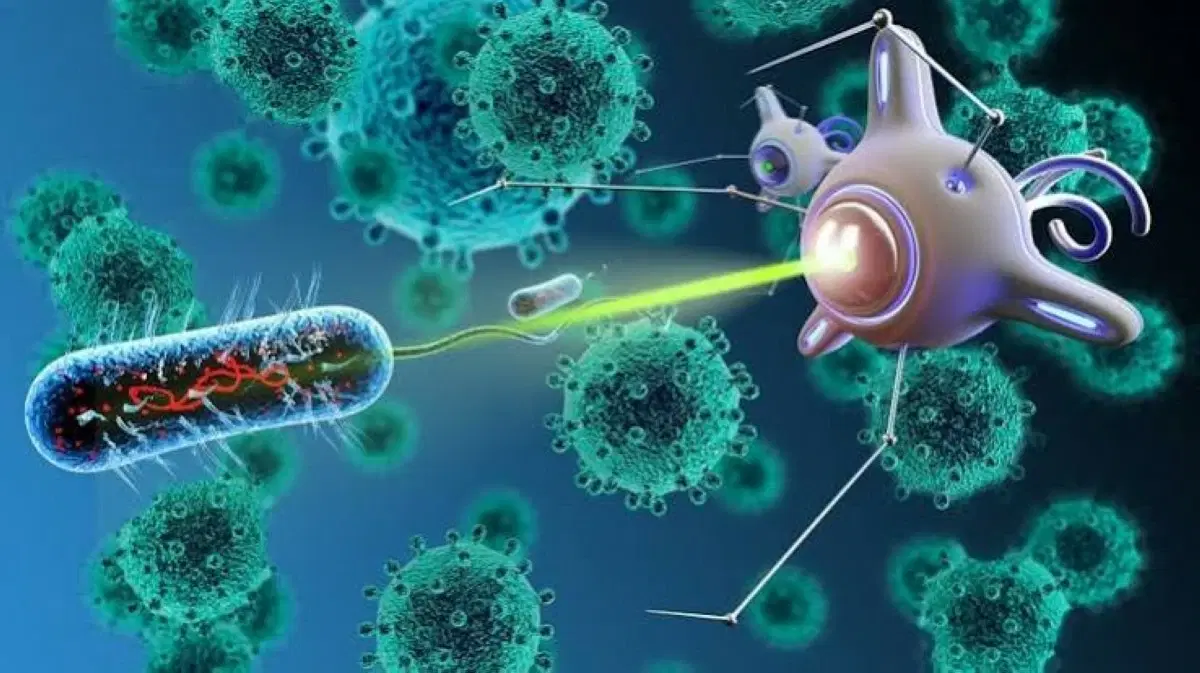
Russian researchers have found that the effectiveness of nanoparticles used in developing treatments for sepsis does not depend solely on the properties of the drug, but is also influenced by the patient's physiological state, including fluid balance in the body and blood glucose levels.
Alessandro Parodi, a researcher at the Sirius Scientific Center for Translational Medicine, explained that minor changes in health status can affect several vital processes, which in turn impacts the distribution and efficacy of nano-drugs. He emphasized that the future development of these treatments requires considering both the properties of the particles and the patient's condition.
Sepsis is a serious complication of infection, as it can lead to an excessive inflammatory response and dysfunction of blood vessels and organs, making it a life-threatening medical condition.
The researchers studied several types of nanoparticles that can be used to deliver therapeutic compounds to target cells and tissues, including albumin, silicon, and germanium particles, as well as metal-organic frameworks and particles based on tobacco mosaic virus.
Experiments showed that albumin nanoparticles possess promising properties, and also revealed the impact of the physiological state of experimental animals on the distribution of these particles within the body. Dehydration was associated with increased accumulation in the liver and lungs, while high glucose levels led to increased accumulation in the spleen and kidneys.
The researchers believe that these results could contribute to the development of more effective and safer nano-drugs for treating sepsis by adapting drug delivery systems to the patient's health condition.