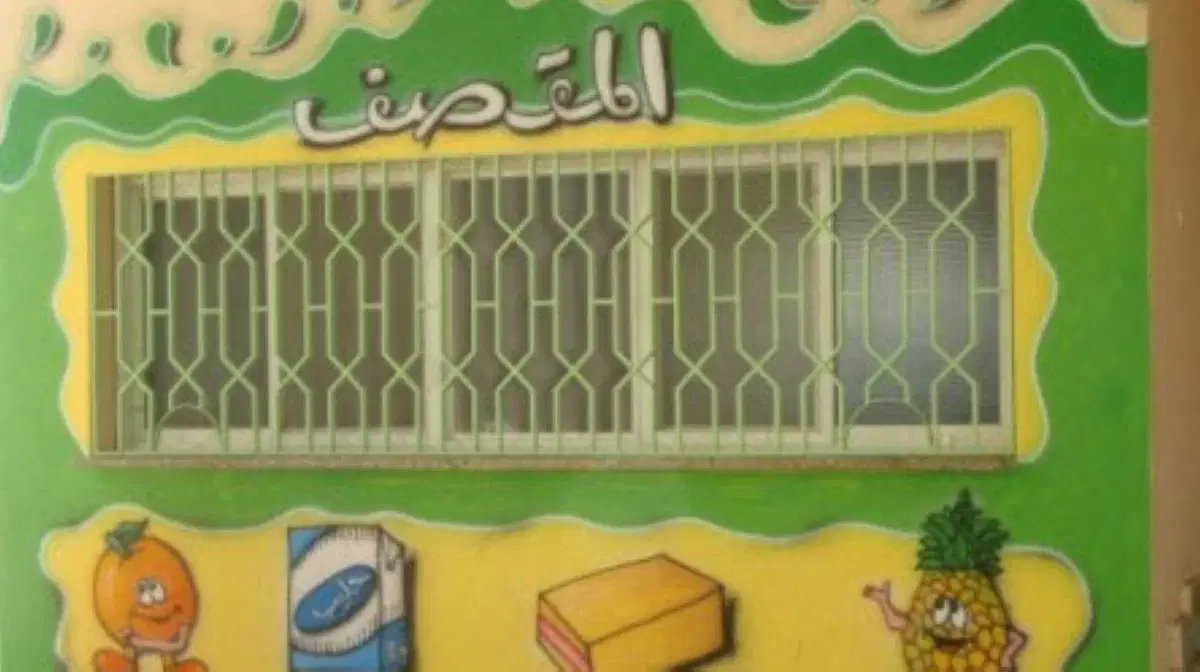
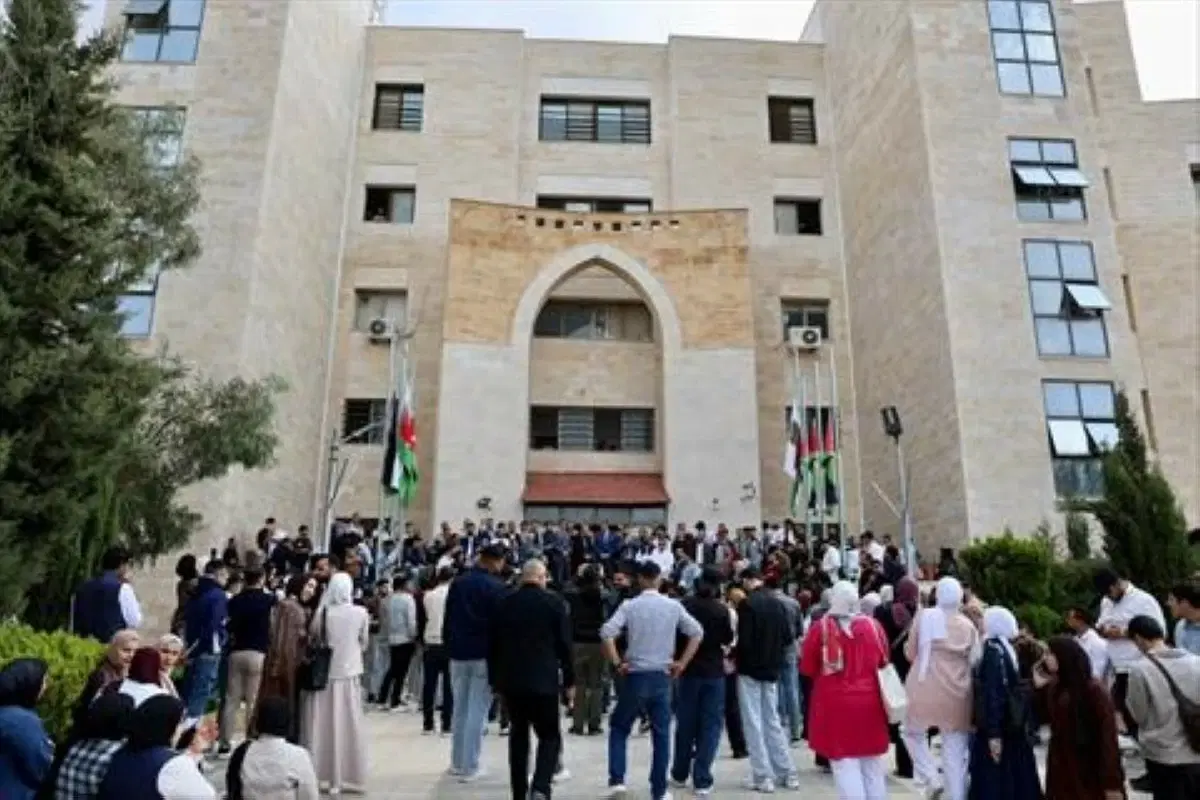
In a distinguished model of ensuring the safety of the younger generation, the school system is witnessing a wide-ranging integration to guarantee the provision of safe and nutritious food for students, supporting their activity and concentration throughout the school day and enhancing their food and behavioral awareness.
Dr. Hashem Al-Za'abi, Head of the School Cafeterias Department at the Ministry of Education, confirms that the Cafeterias Department and the Red Crescent at the Ministry are conducting field tours and surprise visits to school cafeterias according to a program prepared for this purpose, where the visiting team submits the visit report to the Secretary General, and in case of violations, the provisions of the penalties are applied according to the Human Resources Management System in the public sector.
Al-Za'abi explains that the monitoring of cafeterias in public schools is carried out through the school principal, the cafeteria supervisor, the school cafeteria monitoring committee, the school health officer, health inspectors from the Ministry of Health, the cafeteria officer at the Directorate of Education, and inspection teams from the Ministry of Health and the General Establishment for Food and Drug.
He pointed out that private schools are also subject to supervision by joint committees that include the Ministry of Education, the Ministry of Health, and the General Establishment for Food and Drug, and these committees carry out field visits to monitor compliance with health requirements.
Al-Za'abi points out that the violation of government cafeterias of the systems and instructions entails legal responsibility on the school principal and the cafeteria supervisor, with the imposition of appropriate punishment and the issuance of a notice from the Ministry of Health to avoid the negatives. As for private schools, notices are sent to the violating cafeterias, and the matter may reach the suspension of the cafeteria from work until the correction of the violations, or its closure in case of repeated health violations, in addition to financial fines or referral to the competent court according to the approved procedures.
Al-Za'abi draws attention to the fact that the Ministry of Education circulates at the beginning of each academic year the school cafeteria instructions No. (5) of 2001, based on the Education Law No. (3) of 1994, which are binding instructions for public schools.
The Ministry also circulates the health requirements for school cafeterias and the foods allowed to be sold and prohibited, based on the provisions of the Public Health Law No. (47) of 2008, which include public and private schools, military culture schools, and UNRWA schools.
Al-Za'abi says that government cafeterias are cooperative non-profit cafeterias, relying on student contributions, aiming to develop cooperative behavior and teamwork among them, and training them in organization, sales, purchases, and accounting operations, in addition to providing their basic needs at moderate prices and good and clean qualities.
On the other hand, he pointed out that the cafeterias in private schools are an investment for the school owners or for those who are included in the cafeteria, which may lead in some cases to irresponsible practices aimed at achieving material profit.
Al-Za'abi adds that the Ministry implements programs that focus on school health and nutrition, including health accreditation programs, in addition to awareness campaigns for students about health and nutritional aspects, stressing the importance of the concerted efforts of the concerned parties to preserve the health and safety of students.
Al-Za'abi concludes that what is provided to the student in the school cafeteria is not a substitute for the morning breakfast, but rather a nutritional supplement that helps the student stay active and interact with the teacher during school hours.
In the same context, the General Establishment for Food and Drug confirms the continuation of its monitoring campaigns on school cafeterias in various regions of the Kingdom, to verify the safety and quality of the food provided to students, and the extent of compliance with health requirements during its preparation and circulation, noting that the monitoring campaigns are carried out in coordination with the relevant authorities, and include inspection of food sources and their compliance with health requirements, methods of storage and circulation, and taking necessary measures against violators.
The Establishment adds that school cafeterias prohibit foods and beverages that do not comply with the approved health and nutritional requirements, and the most prominent of them are foods that have been prepared in advance, as they are among the foods most exposed to contamination risks.
The Establishment said that any other foodstuffs may be banned by a decision issued by the Minister of Health according to the rules, and it also prohibits food products of unknown origin or imported from unlicensed establishments or expired materials.
The Establishment explains that the decision aims to preserve the safety of students and reduce the risks of contamination or food poisoning, especially since some of these foods are perishable or contain prohibited items according to cafeteria requirements, such as meat and eggs.
The Establishment warns of the high probability of spoilage of some foods during the summer due to high temperatures and poor circulation or non-compliance with appropriate storage temperatures, noting that the danger increases especially for perishable foods if they do not have the appropriate conditions for the growth and reproduction of microorganisms.
The Establishment stresses the need to comply with storage, display, transport, and circulation requirements, and to take into account the expiration date, the safety of packages, and health practices to reduce the risks of food spoilage and food poisoning during the summer.