Al-Karak embraces Hammoud in its affliction: A unified stance against violence and extremism
Amman11 min read
Share
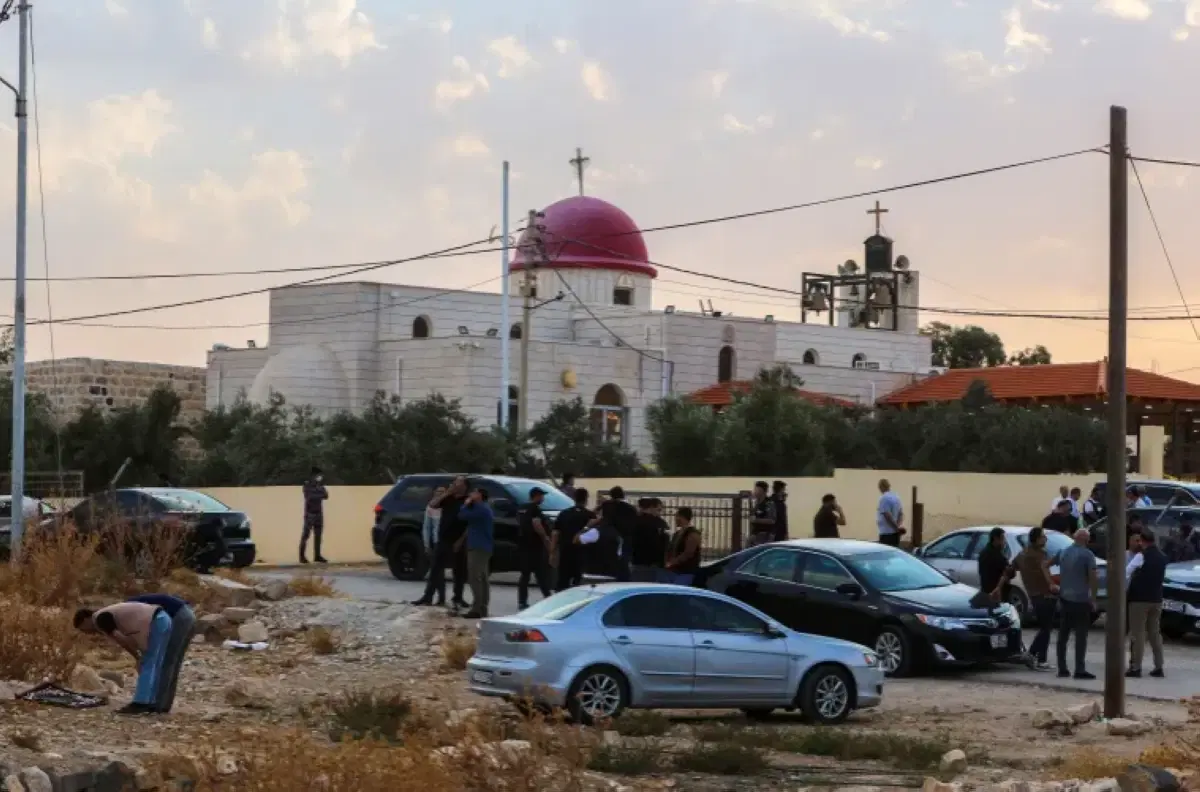
Sadness blanketed the Karak Governorate following the news of the painful crime witnessed in the town of Hammoud, amidst feelings of shock and sorrow expressed by various popular, social, and youth activities, in a scene that embodied the depth of the bonds that unite the people of the governorate, their rallying around the victims' families in their affliction, and their affirmation that the pain that has befallen every family in Hammoud is a pain for every Jordanian home.
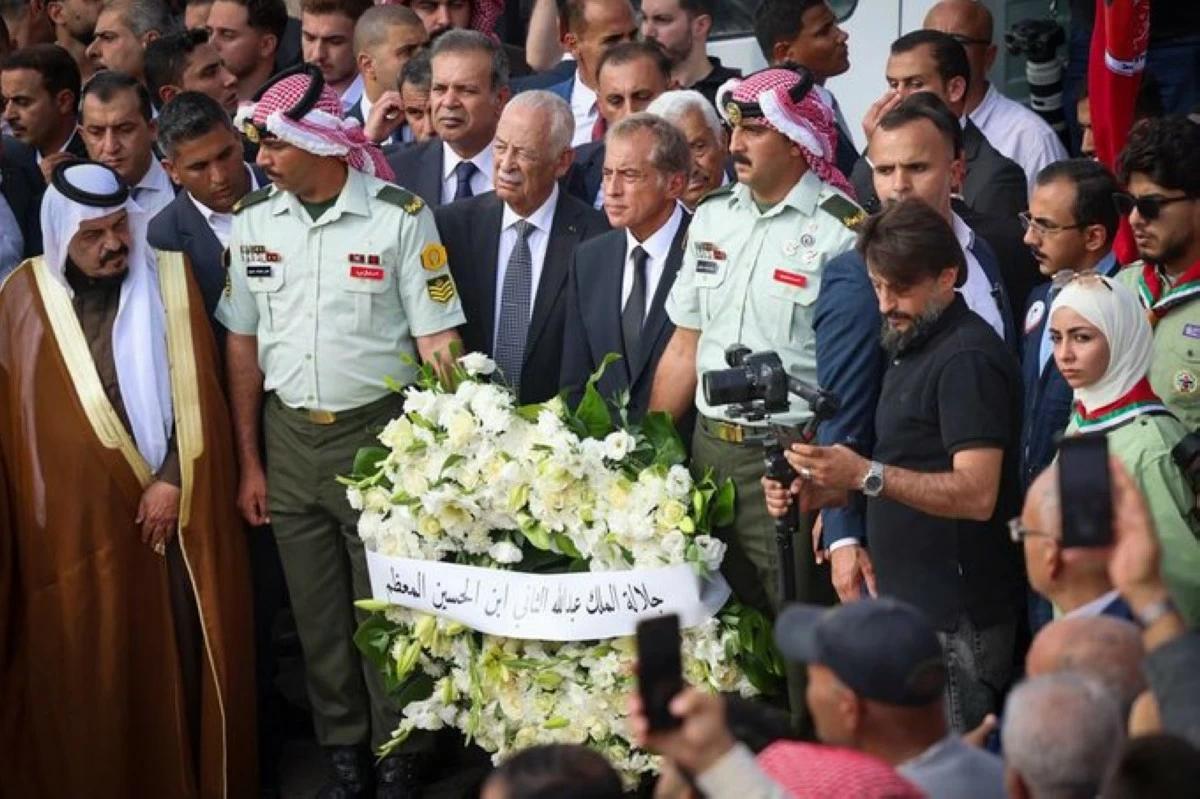
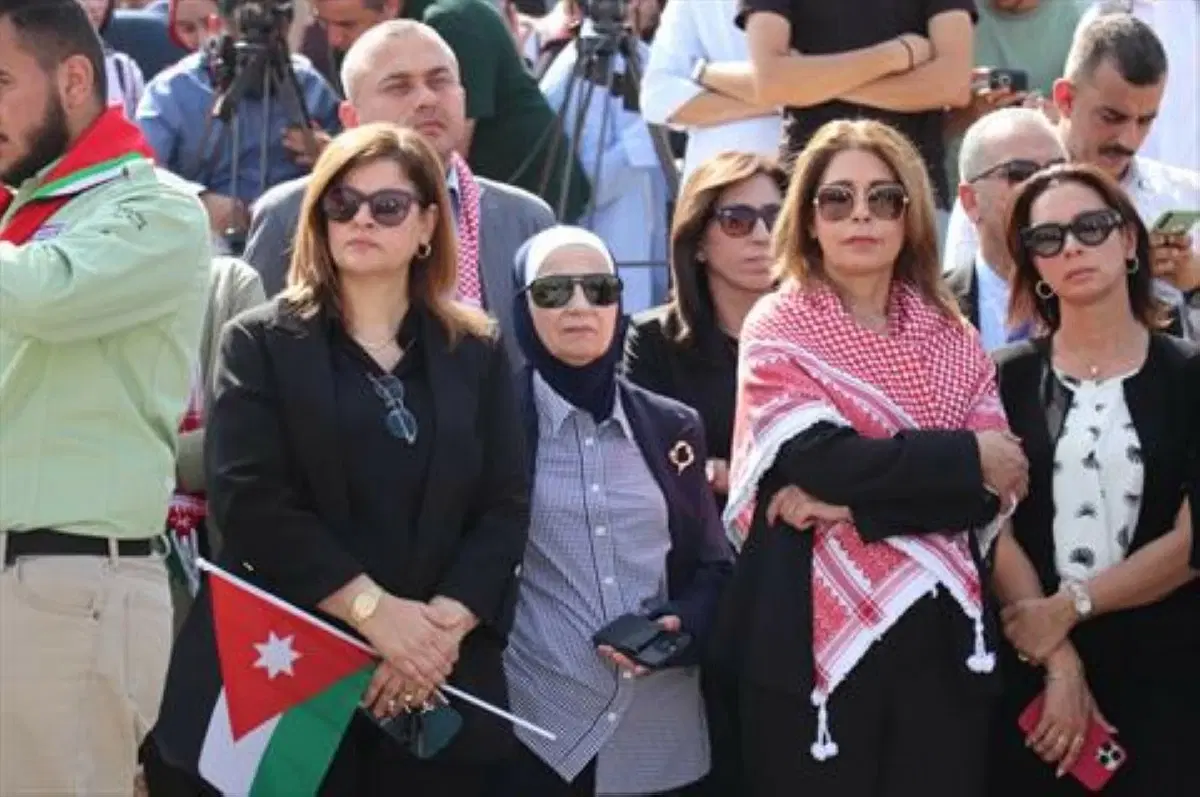
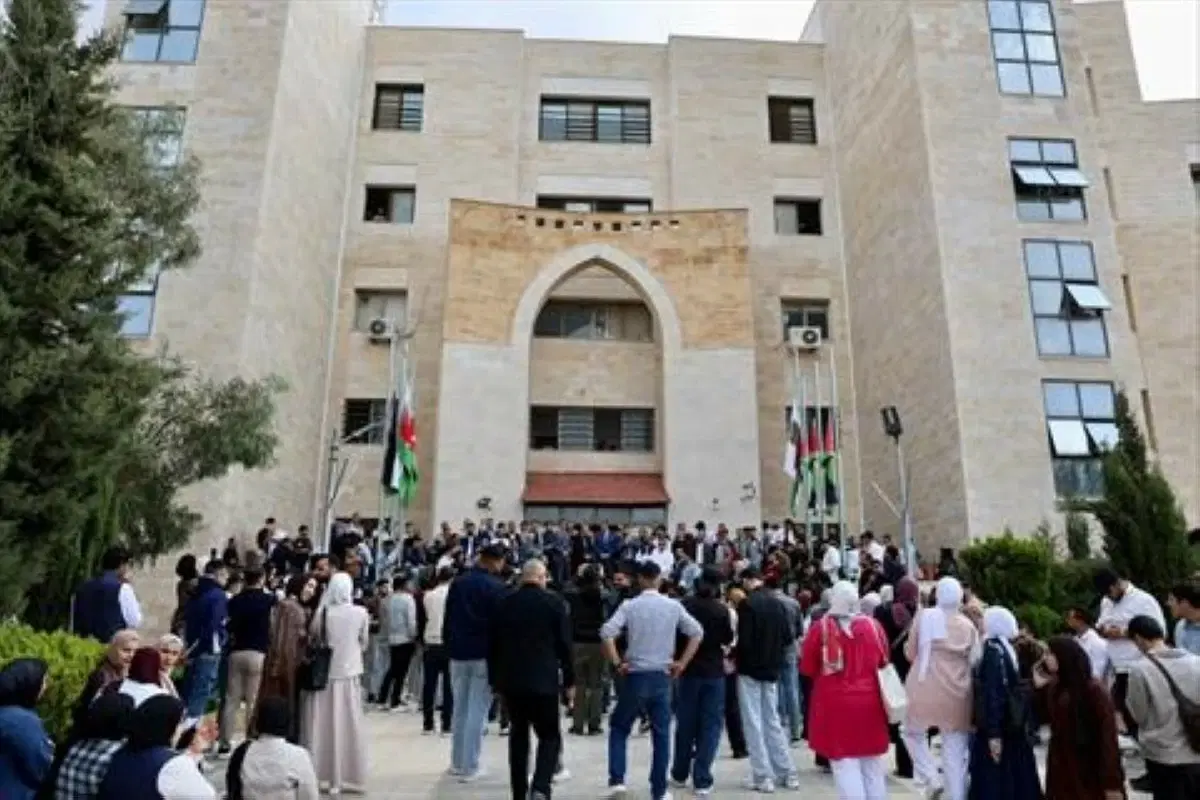
Since the news of the crime spread, an atmosphere of sadness and condemnation prevailed among the people of Karak, who followed its details with heavy hearts and felt the magnitude of the tragedy that befell the residents, while the funeral moments turned into a poignant human scene, in which tears were mixed with prayers, and the participating crowds expressed their solidarity with the victims' families and their keenness to stand by them in these difficult moments.
The funeral scenes, with the pain and sadness they carried, were not just a farewell to the victims, but also reflected the unity and solidarity of the people of Karak, and their keenness to console the families of the martyrs and share their sorrows, in a clear confirmation that the social and human bonds between the people of the governorate transcend the boundaries of villages and families, that the affliction is one, and that standing by the affected families is a moral and human duty.
In the midst of these feelings, calls from community activities emerged to adhere to national unity, reject violence, extremism, and hatred, promote a culture of tolerance and dialogue, and preserve the Jordanian social fabric, which has always formed a fundamental pillar in facing crises and difficult circumstances.
Retired Colonel Maher Al-Hawarna: The unity of Jordanians is the first line of defense for the security of society
Retired Colonel Maher Al-Hawarna emphasized the importance of national and social solidarity in facing painful events, pointing out that what the town of Hammoud witnessed calls for standing responsibly before the effects of violence on individuals, families, and society as a whole.
He explained that the feelings of sadness that prevailed among the people of Karak, and the solidarity shown by the citizens with the victims' families, reflect the authenticity of Jordanian society and the depth of the bonds that unite its people, pointing out that people's participation in the funeral and consoling the bereaved families carries a clear message that Jordanians stand together in times of adversity, and that the affliction that befalls a region or a family extends its impact to the entire society.
He stressed the necessity of consolidating the culture of respect for the law, moving away from hasty reactions, and dealing with painful events with awareness and responsibility, confirming that protecting society begins with strengthening the values of discipline and tolerance, rejecting all forms of violence and extremism, and not allowing painful events to turn into a cause for division or harming relationships between the people of the homeland.
He confirmed that the responsibility of maintaining security and stability is a shared responsibility, in which the efforts of official institutions are integrated with the role of the family, school, university, and community activities, through spreading awareness, promoting dialogue, and dealing with disputes through peaceful and legal means.
Dr. Nizar Al-Kharasha: Youth are partners in protecting the social fabric
For his part, youth activist Dr. Nizar Al-Kharasha confirmed that the feelings of sadness and solidarity expressed by the people of Karak following the incident reflect a social awareness of the importance of standing by those affected, and confirm that human and social relationships form a solid foundation for the unity and cohesion of society.
He pointed out that the funeral moments carried deep human meanings, as the people of the governorate gathered in feelings of sadness, prayer, and consolation for the victims' families, in an image that confirms that the affliction is one, and that nothing can be a justification for distance or division between the people of the same society.
He said that youth bear an important role in dealing consciously with painful events, through spreading a discourse of responsibility and tolerance, and moving away from circulating rumors or content that fuels feelings and stirs division, confirming the importance of verifying information, referring to official sources, and not allowing social media platforms to turn into a space for spreading hatred or incitement.
He stressed that investing in youth awareness and enhancing their participation in volunteer and dialogue initiatives contribute to building a more cohesive society capable of facing crises, pointing out that the current stage requires a discourse that unites and does not divide, consoles the afflicted, preserves the dignity of the victims and their families, and confirms the rejection of violence and extremism in all their forms.
Dr. I'timad Al-Ja'afra: The pain of Hammoud is the pain of every Jordanian home
In turn, the head of the Shaqra Women's Association, Dr. I'timad Al-Ja'afra, confirmed that the incident left a deep impact on the souls of the people of Karak, due to the human and social pain it carries, pointing out that the feelings of sadness that accompanied the news of the crime and the funeral ceremonies expressed the unity of the Jordanian conscience and the sincerity of solidarity with the victims' families.
She said that the Jordanian woman, through her fundamental role in the family and society, is concerned with promoting the values of mercy, tolerance, upbringing on respecting others, rejecting violence and hatred, and consolidating the culture of dialogue and understanding between generations, in a way that protects the family and society from the negative effects of violent behaviors and extremist ideas.
She stressed that standing by the people of Hammoud in their affliction is not a fleeting stance, but an expression of the values of solidarity and compassion that Jordanians were raised on, confirming that sharing sorrows and supporting the affected families is a human duty that transcends the boundaries of place and direct relationships.
She stressed the importance of strengthening the role of women's associations and civil society institutions in spreading awareness, implementing initiatives that support social cohesion, providing safe spaces for dialogue, and helping to address disputes with wisdom and understanding, away from violence or hate speech.
She pointed out that raising children to respect human life, accept others, and resort to the law represents a foundation for building generations that are more aware and capable of protecting their society, confirming that Jordan needs more solidarity, empathy, and unity in such circumstances.
Media activist Yousef Al-Khalifat: The responsibility of the media is to unite Jordanians
For his part, media activist Yousef Al-Khalifat confirmed that the painful crime places media discourse before a great responsibility, represented in conveying facts accurately and professionally, respecting the feelings of the victims' families, and avoiding exaggeration or spreading inaccurate information that might increase the suffering of the residents or stir tension among the members of society.
He pointed out that the popular interaction with the town of Hammoud and the participation of the people of Karak in the funeral moments showed a state of human and national solidarity, and established a message that Jordanian society stands by the afflicted, and that unity of ranks remains a necessity in facing difficult circumstances.
He called on media outlets and social media platforms to promote a discourse of moderation and responsibility, and to move away from incitement, generalization, and stirring up strife, confirming that the word may contribute to calming souls and alleviating pain, just as it may lead, if misused, to stirring up conflict and causing harm to the social fabric.
He stressed the importance of giving priority to facts and information issued by the competent authorities, respecting the privacy of the afflicted families, and not exploiting scenes of sadness or photos of the victims to achieve reach, pointing out that media professionalism requires combining the public's right to know with the duty to protect human dignity.
He confirmed that the responsible national stance in such circumstances is based on consoling the victims' families, condemning violence, calling for the rule of law, and strengthening trust between citizens and institutions, in a way that preserves the security and stability of society.
Mahmoud Al-Majali: Participating in the burial and condolences is a human duty that embodies the unity of the people of Karak
For his part, community activist Mahmoud Al-Majali, who participated in the burial and condolence ceremonies, confirmed that the feelings experienced by the people of Karak during the farewell to the victims and consoling their families reflected the depth of the social and human bonds that unite the people of the governorate, pointing out that the scene of sadness and solidarity embodied the truth that the affliction is one, and that the pain that befell the people of Hammoud extended to the hearts of all Jordanians.
Dr. Riad Al-Zureiqat: Karak stands as one rank in the face of pain
For his part, member of the Karak Governorate Council, Dr. Riad Al-Zureiqat, confirmed that the painful crime witnessed in the town of Hammoud left a profound impact on the souls of the people of the governorate, who expressed their sadness and solidarity with the victims' families, in an image that reflects the depth of belonging and the spirit of shared responsibility.
He pointed out that the funeral scenes and the accompanying attendance and consolation embodied the unity of the people of Karak, and confirmed that the relationships that unite them are based on brotherhood, neighborliness, and a common destiny, and that standing by the bereaved families is a human and social duty that is not linked to a specific place or group.
He said that such circumstances call for strengthening social cohesion, prioritizing wisdom and responsibility, and moving away from everything that would stir up division or fuel feelings, confirming the importance of rallying around state institutions and respecting the law, as they are the basis for protecting society and safeguarding its security and stability.
He indicated that local councils, institutions, and community activities play an important role in enhancing communication between citizens, listening to their needs, and supporting initiatives that consolidate the values of citizenship, cooperation, and tolerance, stressing that facing violence and extremism requires an integrated effort that begins with the family and extends to the school, university, and civil society institutions.
Al-Zureiqat confirmed that Karak will remain an authentic part of the Jordanian national fabric, and that the human and social bonds that unite its people form a basis for supporting each other in times of adversity, calling for turning feelings of solidarity into continuous practices that enhance compassion and solidarity and protect the unity of society.
From sadness to social responsibility
Amidst the feelings of shock that accompanied the news of the heinous crime and the funeral scenes that bore sad faces and hearts burdened with pain, the message of the people of Karak emerged clear in its content: that the affliction is one, that standing by the victims' families is a humanitarian duty, and that preserving the unity of society is everyone's responsibility.
The heinous crime also reaffirmed the importance of strengthening efforts aimed at rejecting violence and extremism, spreading a culture of dialogue and acceptance of the other, and consolidating the values of mercy and respect for human life, in addition to adhering to the law and avoiding rumors and hate speech.
At a time when eyes are turning to console the families who lost their loved ones, the need remains for a comprehensive national discourse that alleviates the weight of pain, preserves the dignity of the victims, strengthens trust and cohesion among members of society, and confirms that resolving disputes is not through violence, but through dialogue, wisdom, and recourse to the law.
Thus, Karak's grief over Hamoud was not a limited local grief, but rather expressed a broader social conscience, in which the bonds of brotherhood, neighborliness, and national belonging intertwine, and in which various factions meet on a single humanitarian stance, titled solidarity with the victims' families, rejection of violence and extremism, and adherence to the unity and cohesion of Jordanians in the face of adversity.
May God have mercy on the victims, grant their families patience and solace, and protect Jordan and its people from all harm.