He added that the survey results showed that only 12% of students engage in physical activity for more than 60 minutes daily, describing this percentage as low, noting its impact on students' physical health, and identifying it as one of the main reasons for the high rates of overweight and obesity.
He pointed out that dealing with these indicators requires looking at the health status of students in an integrated manner, including physical activity, nutrition, and the school environment.
Regarding school canteens, Maayeh said that the health requirements for them are issued under the Public Health Law and published in the Official Gazette, and include requirements for equipping and operating the canteen, including ventilation, providing refrigerators for storing food items, cleaning materials, and ensuring workers obtain the necessary health certificates.
He indicated that the requirements prohibit the circulation of a number of foods and beverages within canteens, including soft drinks, fruit drinks and flavored drinks, and types of candy, gum, lollipops, toffee, nougat, marshmallows, and caramel, in addition to food and beverages packaged in glass containers, meat, eggs, French fries, and ice cream.
He noted that chips were recently banned from circulation in school canteens, after having been previously permitted in specific quantities and on certain days.
He emphasized the necessity of disposing of unfit food daily, noting that the requirements prohibit the sale of stale food items or keeping them as part of the meals provided to students.
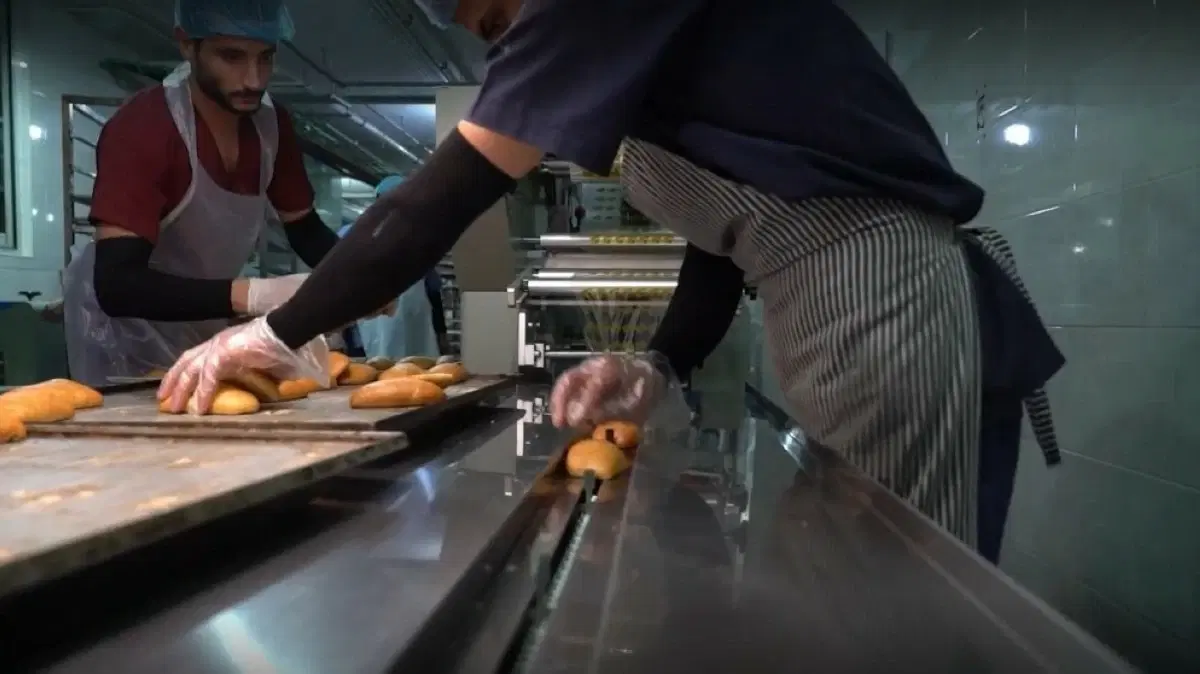
Maayeh explained that the productive kitchens that prepare school meals are subject to licensing from the Jordan Food and Drug Administration (JFDA) and must adhere to approved health requirements, and that bakeries preparing some meal components are also subject to monitoring and public safety conditions.
He added that the school nutrition project achieves an economic and social impact by providing job opportunities for women working in the associations that prepare the meals, in addition to benefiting small farmers, suppliers, and drivers involved in delivering them to schools.
Regarding physical activity, Maayeh said that the Ministry of Health periodically inspects public and private schools, including courtyards and playgrounds, and communicates with the Ministry of Education to rectify any observations or negatives detected, with the aim of providing a better school environment for physical activity.
Regarding smoking, he explained that the Public Health Law prohibits the sale of tobacco products within a 250-meter radius of schools.