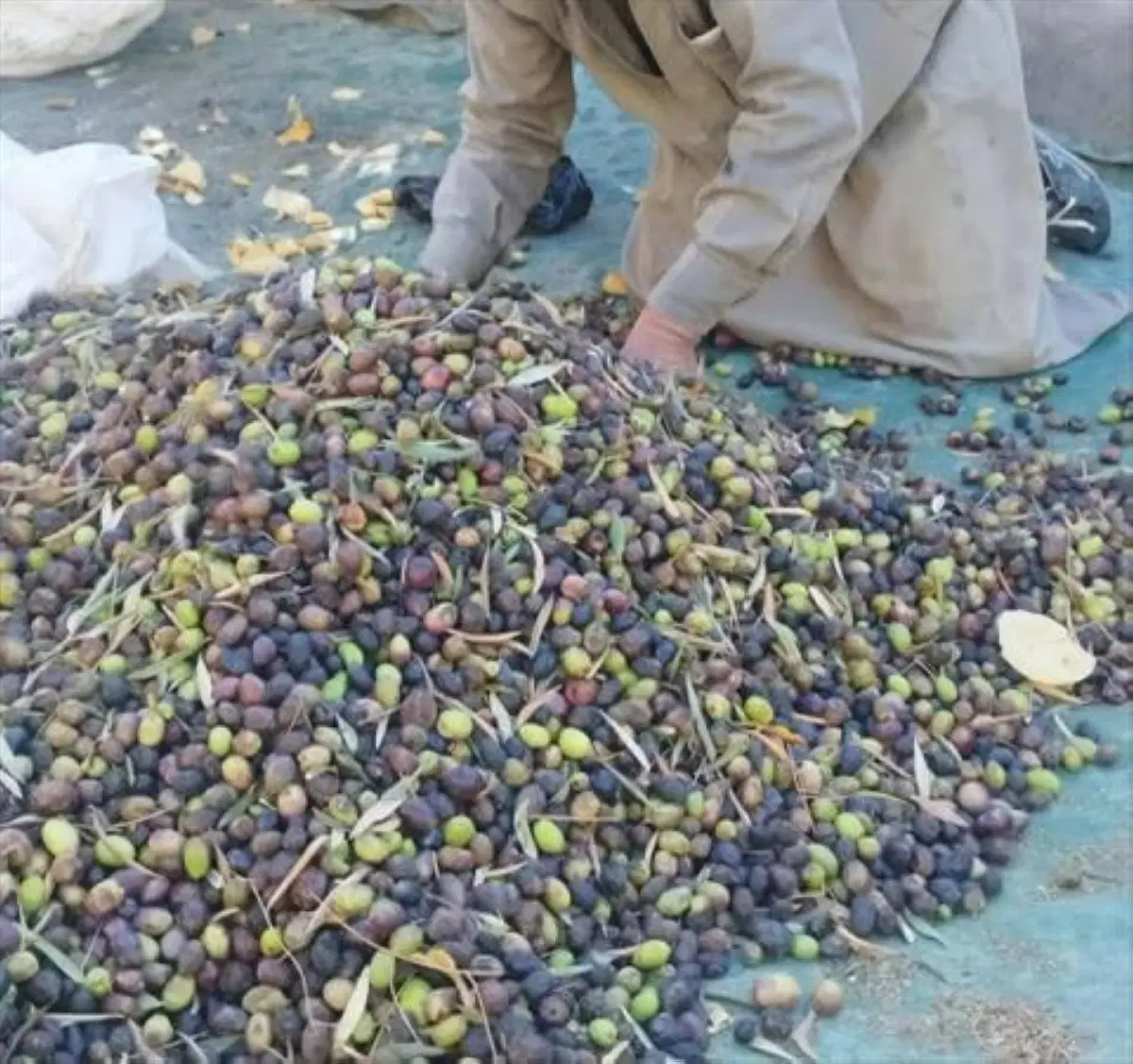
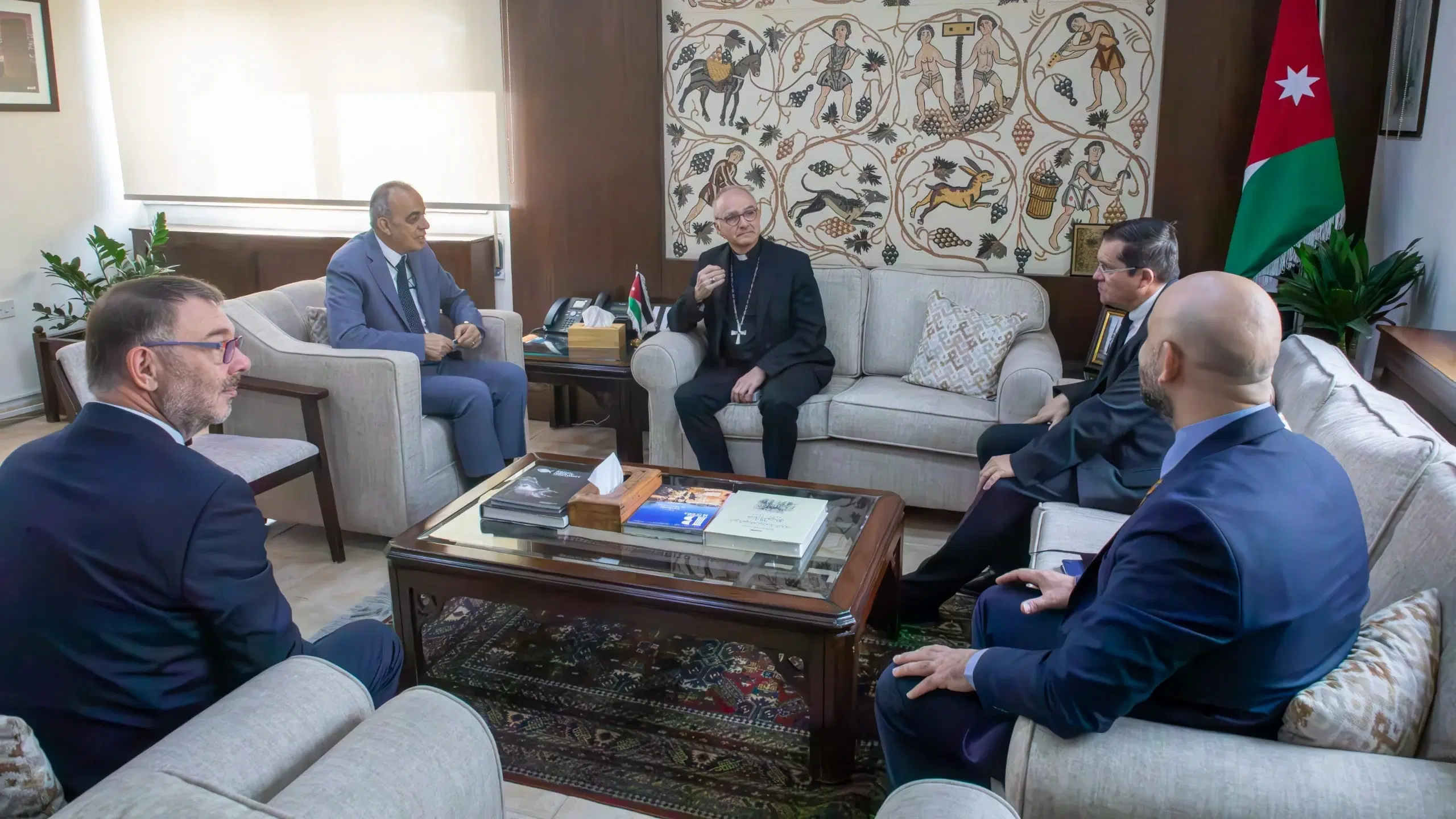
Al-Madi praised the commitment of press administrations to the highest levels of safety and official requirements, which directly reflect on the quality and purity of the product, emphasizing the Executive Council's keenness to follow up on all field observations to protect the reputation of Tafilah oil, which is distinguished locally and regionally.
For his part, the Director of Agriculture for Tafilah Governorate, Engineer Bilal Al-Haloul, explained that the directorate is intensifying its awareness programs through specialized courses that train farmers on the best harvesting and pressing methods to maintain low acidity levels and the therapeutic properties of the oil.
Al-Haloul pointed out that Tafilah's mountainous, mineral-rich soil gives olive fruits exceptional nutritional value, calling on farmers to follow technical recommendations and delay harvesting until the stage of full maturity, as this plays a direct role in increasing the oil extraction rate and raising its marketing value.
Technician Mohammad Al-Masa'ideen, who has over 10 years of experience in monitoring pressing lines in Tafilah, recounts how the golden-green oil flows with unique purity. He confirms his field ability to distinguish the oil of ancient "Rumi" trees by its dark color and pungent aroma, noting that despite their small size, Rumi olives are the most productive, with an extraction rate reaching about 28% compared to 15% for some other varieties, making it a pure product that does not require additional filtration processes.
Farmer Hussein Al-Masa'ideen recalls the challenges of past dry seasons and the impact of low rainfall, high labor costs, and supplementary irrigation on the decline in yield per dunum, hoping that the large amounts of rain the governorate witnessed during the last winter and sound agricultural practices will contribute to overcoming these obstacles.
Farmer Suleiman Al-Mazaydeh expresses his optimism for the current season based on his practical experience during the last season, when he delayed harvesting his olives until mid-December. This step, in his opinion, resulted in a tangible difference and a noticeable increase in the quantities of extracted oil and its purity compared to seasons when he rushed the harvest, proving to him that patience until the full maturity of the fruit is one of the most important criteria for achieving the highest extraction rate and the best quality of olive oil.
The President of the Tafilah Chamber of Commerce, Odahallah Al-Qatatat, proposes a marketing vision to protect the local product, stressing that Tafilah oil has the potential to compete with global brands that hold 60% of the international market according to international olive reports. This involves establishing an integrated factory for bottling and packaging oil through investment partnerships with the private sector and by utilizing concessional financing programs, with the aim of improving supply chains and establishing permanent sales outlets that ensure price stability and support the efforts of the local farmer.