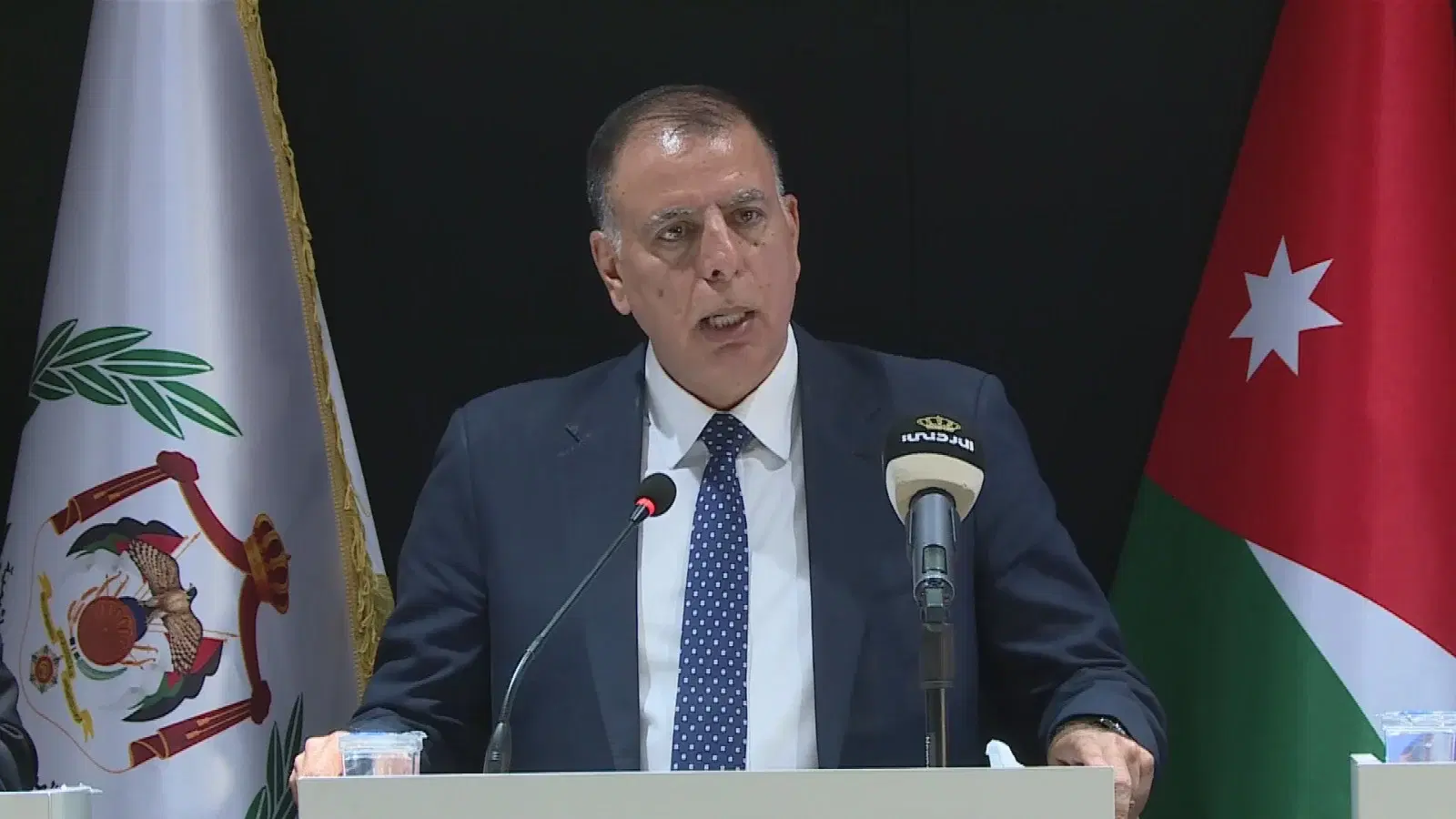
Al-Khasawneh explained that the licensing procedures for the presses are subject to a field inspection conducted by a specialized committee comprising representatives from the Irbid Agriculture Directorate, the Bani Kinana Agriculture Directorate, the Jordan Food and Drug Administration, environmental authorities, local administration, water and irrigation, and the Syndicate of Olive Press Owners and Jordanian Olive Producers Association.
He pointed out that the committee enlists specialized engineers to inspect the presses, review their technical and operational status, and evaluate the efficiency of production lines before completing the licensing procedures, ensuring their readiness and compliance with approved conditions.
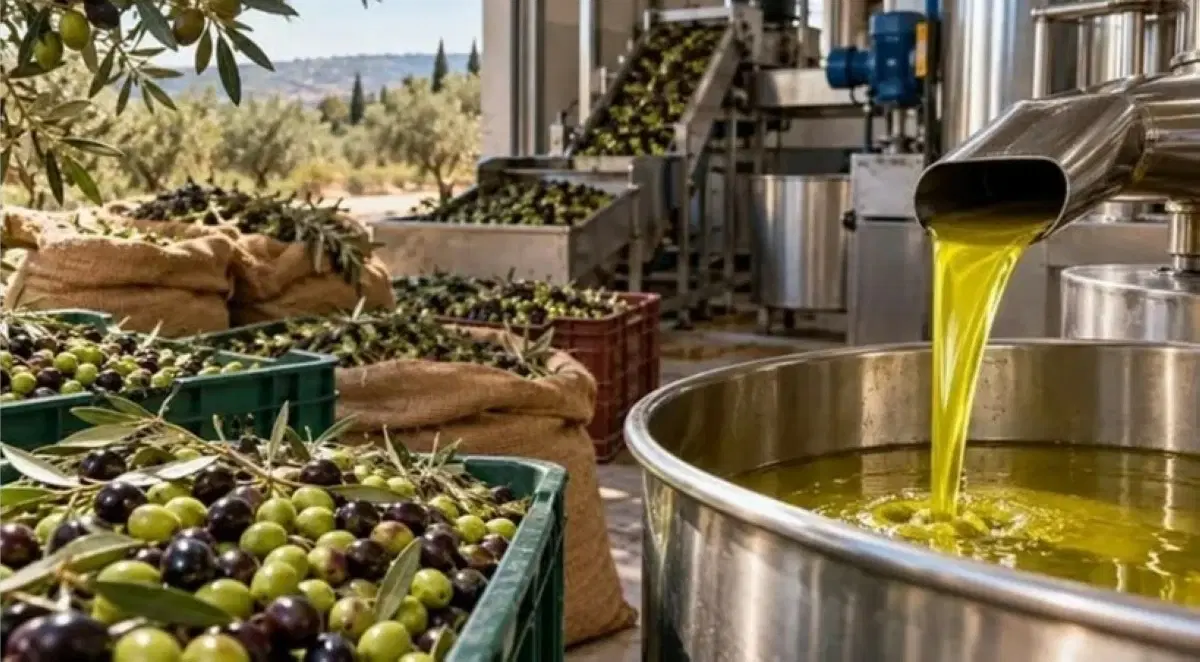
Regarding the efficiency of extraction, Al-Khasawneh indicated that the increasing reliance on modern presses contributes to raising operational capacity and increasing the quantities of extracted oil compared to old presses, which saves effort and time for farmers.
Al-Khasawneh concluded by stating that monitoring the presses is of particular importance during the olive season, given its role in the process of converting olive fruits into oil, and the necessity of adhering to the required technical, health, and environmental requirements during extraction operations, which contributes to preserving the quality of the olive oil product and enhancing consumer confidence in it.