Iran attacks 10 ships.. and Washington vows continued strikes
Agencies4 min read
Share
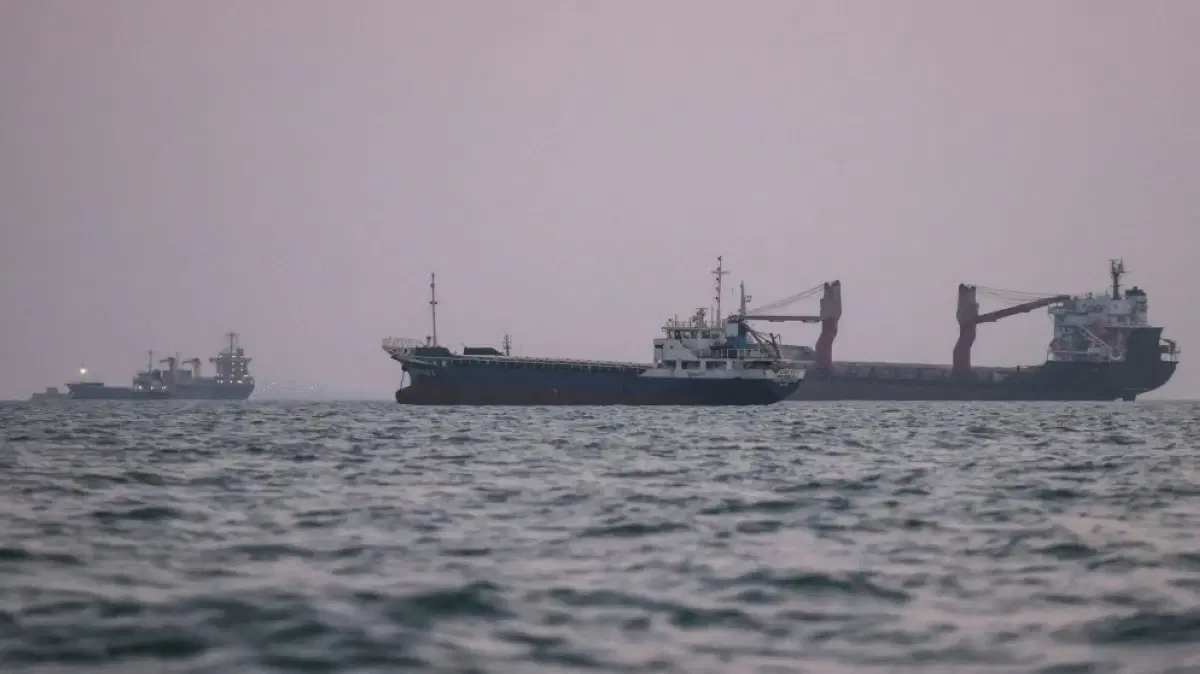
The Iranian Revolutionary Guard Corps (IRGC) announced on Wednesday that it had attacked two American ships, eight oil tankers, and 10 "violating ships" that were attempting to pass through the Strait of Hormuz, according to the official news agency "IRNA".
IRNA quoted a statement issued by the Revolutionary Guard announcing the targeting of "two American ships, eight oil tankers (...) and ten violating ships" that intended to "cross the prohibited and unsafe area in the Strait of Hormuz".
Washington: Targeting five Iranian tankers
The US Central Command (CENTCOM) announced the destruction of five Iranian crude oil tankers, which it said were part of a secret network worth billions of dollars used to fund the IRGC and its proxies in the region.
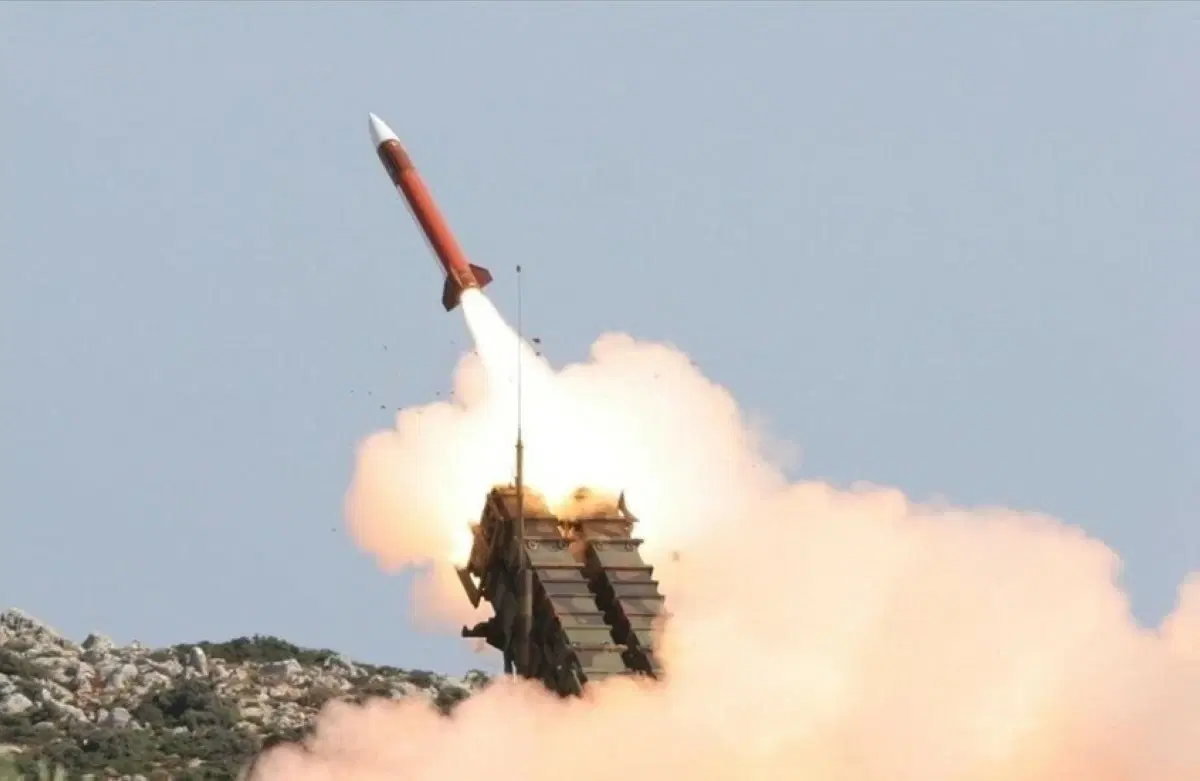
CENTCOM stated that the strikes came in response to two attempts by the Revolutionary Guard to target a US warship with ballistic missiles over two days, explaining that the ship managed to evade both attacks and continued its patrols without any reported injuries.
The Central Command confirmed that all Revolutionary Guard attempts to target US Navy ships had failed, and that there were no casualties among US forces.
CENTCOM identified the targeted tankers as "Kaviz", "Charminar", "Horizon 1", and "Risco" in the Gulf of Oman, in addition to the tanker "Darya" near Kharg Island.
Rubio: We will continue to target oil tankers
In a new escalation, US Secretary of State Marco Rubio said that the United States would continue to target Iranian oil tankers, warning Tehran that attempts to attack US ships would be met with further strikes.
Rubio told reporters during a visit to Colombia that Iran "continues its attempts to strike US ships," adding that every such attempt would lead to the loss of oil tankers, and noting that this could happen again.
A US official confirmed that strikes on Iranian targets are still ongoing, explaining that US forces targeted tankers linked to the Revolutionary Guard in response to attempts to attack a US Navy ship.
Tehran announces damage to two US destroyers
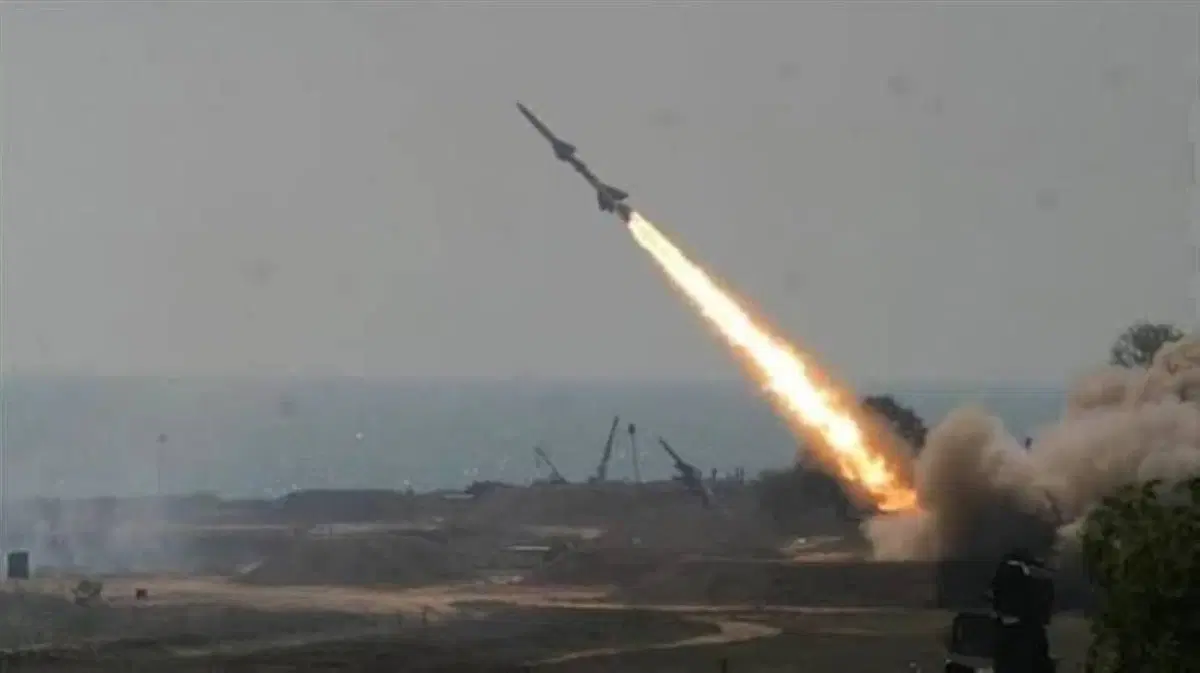
In contrast, the Iranian Revolutionary Guard announced that it had targeted two US destroyers carrying cruise missiles and the "Aegis" system with ballistic missiles, claiming to have caused significant damage to them.
It said the attack came in response to US actions against Iranian oil tankers and ships, affirming its determination to respond and warning the United States against "making a miscalculation".
Iranian television reported that US forces attacked a commercial ship off the coast of the city of Jask, and spoke of targeting two Iranian oil tankers and transporting their crews to the shore.
Dispute over a drone submarine
This comes a day after the Iranian Revolutionary Guard announced the seizure of a US drone submarine at the entrance to the Strait of Hormuz.
Iranian state media reported that the vehicle is a "Dive-LD" model, a large autonomous underwater vehicle manufactured by the American company "Anduril", and that it is capable of carrying out missions including mine countermeasures, mapping the seabed, collecting information, and inspecting submerged infrastructure, such as cables and pipelines.
The Revolutionary Guard said its forces had "seized one of the most advanced smart drone submarines" belonging to the US military, and that it was equipped with advanced technologies, explaining that the operation was based on intelligence.
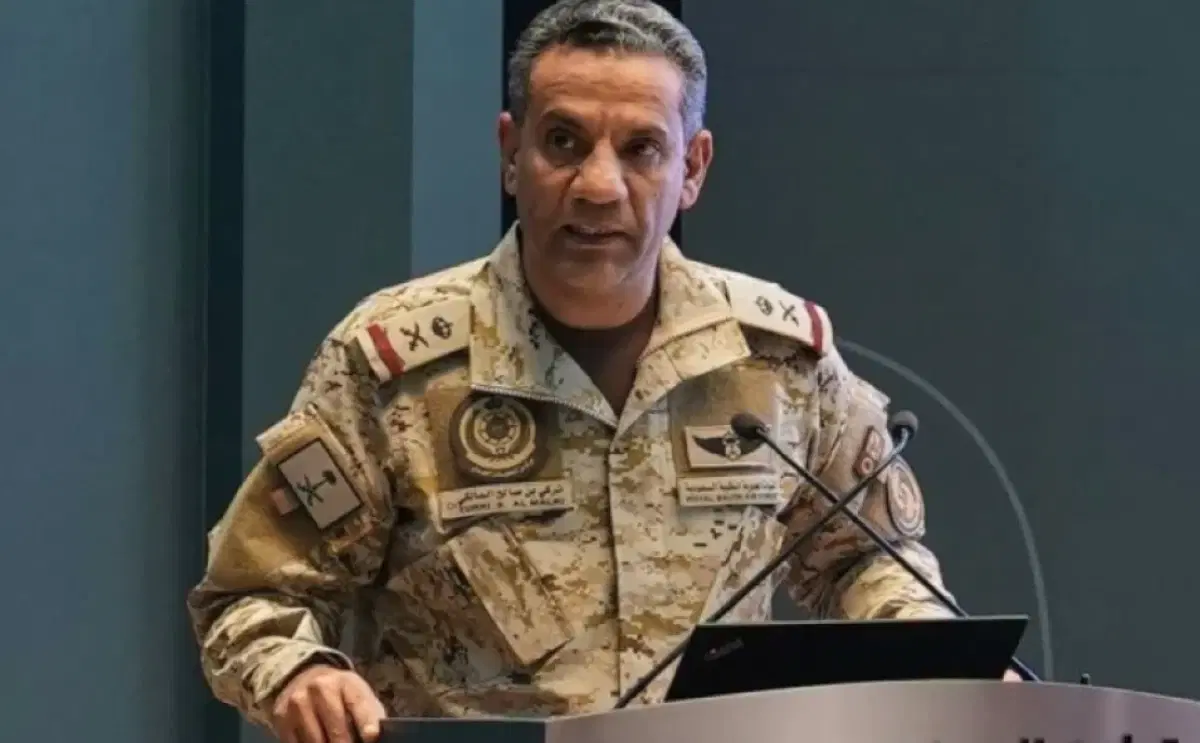
However, the US Central Command denied the Iranian account regarding the seizure of the submarine, and a spokesperson said the vehicle had suffered a technical malfunction more than a day earlier while carrying out a mission to monitor territorial waters.
He added that the submarine was an older model, did not collect highly sensitive data, and did not carry secret equipment related to sonar or radar.
The company "Anduril" confirmed the loss of one of its vehicles, but downplayed the incident, explaining that the "Dive-LD" is an autonomous system designed to operate in dangerous environments, where the loss of the vehicle is a possible scenario.
Race to develop drone maritime systems
The US military is investing heavily in drone maritime systems, including vehicles that operate underwater and on the surface, with the aim of monitoring vast areas of water, collecting information, and tracking enemy ships and submarines without putting sailors at risk.
According to "Anduril", the "Dive-LD" vehicle can operate for up to ten days without returning to base, and it is also designed to dive to depths of up to six thousand meters.
Estimates published by the American military website "Defense Scoop" in 2024 indicate that the cost of a single unit of this model is about 2.5 million dollars.
These developments come in light of a rapid escalation between Washington and Tehran in the vicinity of the Strait of Hormuz, with an exchange of strikes and threats and rising risks facing navigation and oil supplies in the region.