India Hosts BRICS Leaders' Meeting Amid International Tensions
Amman4 min read
Share
India is hosting prominent leaders from the BRICS bloc over the weekend, including the presidents of China, Russia, and Iran, at a summit held amid global geopolitical turmoil, ranging from the conflict in the Middle East to the war in Ukraine.
Indian Prime Minister Narendra Modi is scheduled to meet with Russian President Vladimir Putin and Iranian President Masoud Pezeshkian, and is also expected to hold talks with Chinese President Xi Jinping on the sidelines of the two-day meeting, according to Indian diplomatic sources.
Putin arrived at Palam Air Base in New Delhi, where he was received by Indian Minister of State for External Affairs Kirti Vardhan Singh, according to footage broadcast by the Russian news agency RIA Novosti.
This will be the Chinese president's first visit to India since 2019, marking a new step in the slow rapprochement underway between the two rival nations, six years after a deadly military confrontation between them along the disputed border in the Himalayas.
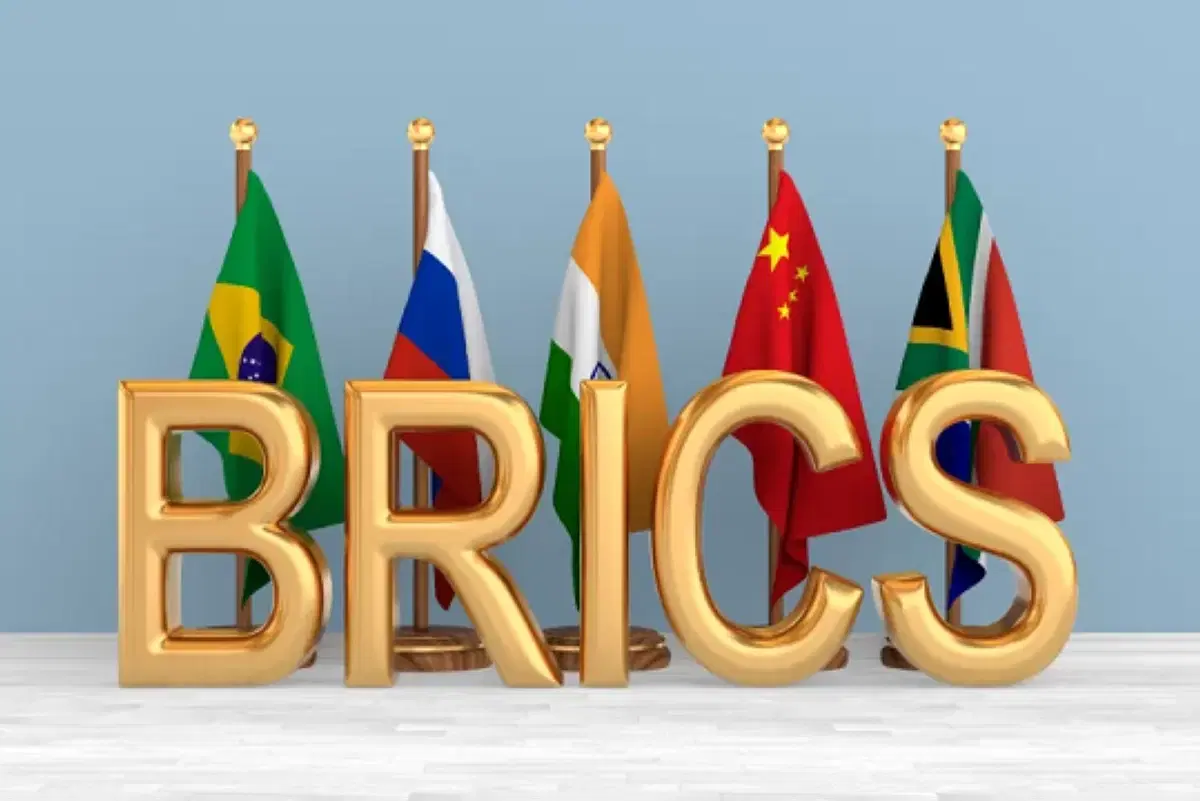
The BRICS forum was established in 2009 to bring together major emerging economies—Brazil, Russia, India, and China—which were quickly joined by South Africa, outside the framework of institutions dominated by the United States and Western powers, such as the G7.
The bloc has since expanded to include countries such as Iran, Saudi Arabia, and the United Arab Emirates, whose president, Sheikh Mohammed bin Zayed Al Nahyan, is scheduled to visit India.
The capital, whose main streets have been decorated with portraits of Prime Minister Modi, will witness tight security measures and widespread road closures by security forces starting Friday.
The war that erupted in the Middle East in late February following US and Israeli strikes on Iran, and its repercussions on oil and gas prices, is expected to dominate part of the discussions in New Delhi.
Pezeshkian had called on Washington during a Shanghai Cooperation Organisation meeting in Kyrgyzstan earlier this month to return to the negotiating table, in the presence of Presidents Xi and Putin.
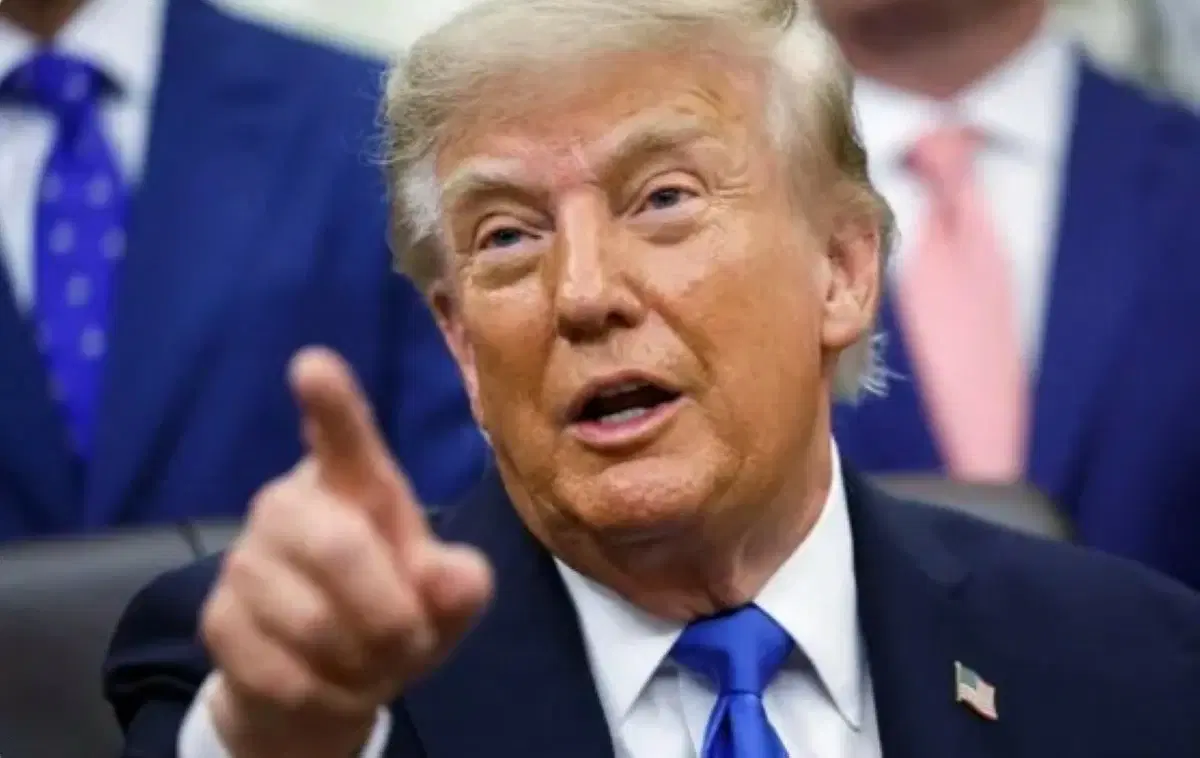
Russia and China, determined to counter US dominance, continue to trade with Iran despite repeated threats of sanctions by US President Donald Trump.
- Divergence in Positions -
This stance contrasts with the positions of other members of the BRICS group, notably Saudi Arabia and the UAE, whose territories have been repeatedly targeted by Iranian bombardment since the outbreak of the Middle East war.
Shilan Shah from the research center Capital Economics believes that "the war against Iran poses a test for the group's cohesion."
The economist pointed out that "the failure of BRICS foreign ministers to issue a joint statement in May illustrates the difficulty of reconciling the differing positions of the group's members regarding the Middle East."
Harsh V. Pant from the Observer Research Foundation research center, which is close to the Indian government, also predicted in a statement to Agence France-Presse that "this conflict will be the main fault line during the summit."
India, the summit's host country, maintains friendly relations with Iran while striving at the same time to maintain a delicate balance in its relations with Washington.
Six months after the Russian president's last visit to India, the scheduled talks on Friday between Putin and Modi will provide an opportunity to test the strength of bilateral relations.
India, a traditional ally of Russia, has continued to import oil from it despite US sanctions, which argue that the resulting revenues allow Moscow to finance the war against Ukraine.
Modi, who has thus far avoided publicly condemning the Russian invasion, urged his "friend" Putin during the recent SCO summit to find a way out of the conflict. This call was immediately welcomed by Ukrainian President Volodymyr Zelenskyy.
The New Delhi meeting may also provide an opportunity for in-depth discussions on Chinese economic dominance, as China floods its BRICS partners, foremost among them India, with its exports.
Shah believes Beijing should use this summit to boost trade among members, though some may view it merely as a Chinese push to advance its own interests.
India's trade deficit with China reached a record level of $112 billion during the 2025-2026 fiscal year.