Chinese President: Middle East War Harms the Common Interests of the International Community
Agencies4 min read
Share
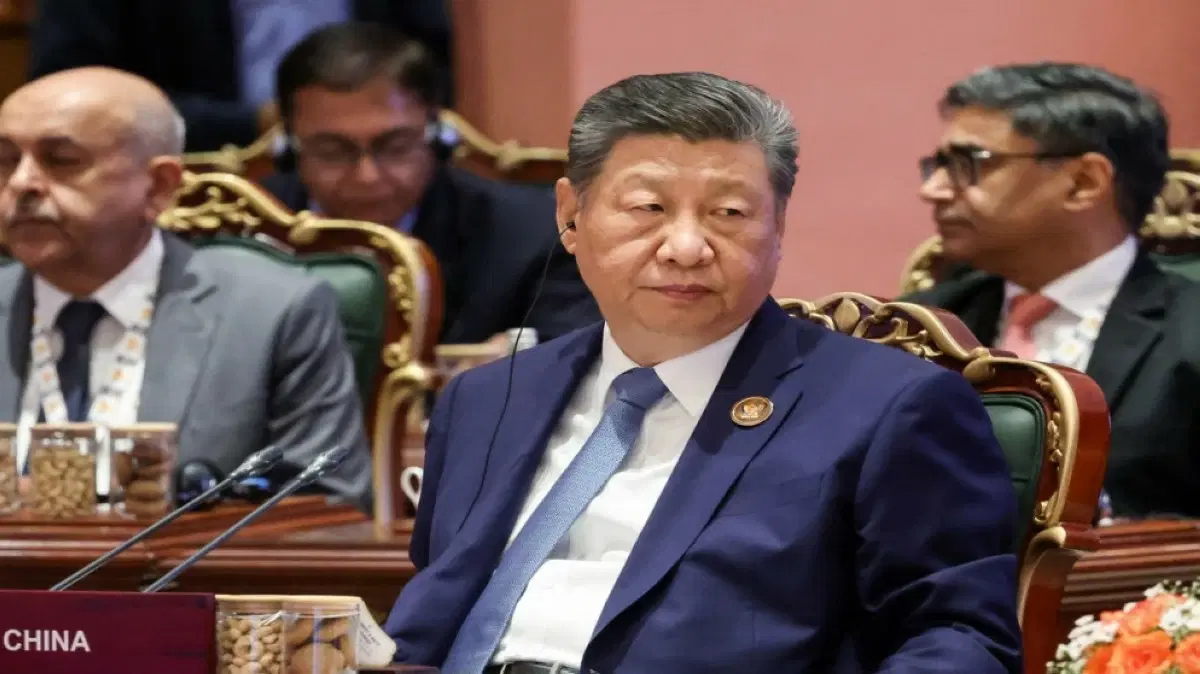
Chinese President Xi Jinping, visiting New Delhi to attend the BRICS summit, stated that the war inليس the Middle East does not serve the "common interests of the international community," according to state media on Saturday.
In remarks reported by the Xinhua News Agency, Xi said, "With the evolution of the situation in the Middle East and the Gulf region, the war there has caused severe damage to the peoples throughout the region."
He pointed out that the war, which began with a US-Israeli attack on Iran, "does not serve the common interests of the international community."
The Chinese President arrived in New Delhi on Saturday to participate alongside the leaders of India, Russia, and Iran in a BRICS summit dominated by issues of conflicts, trade, and energy.
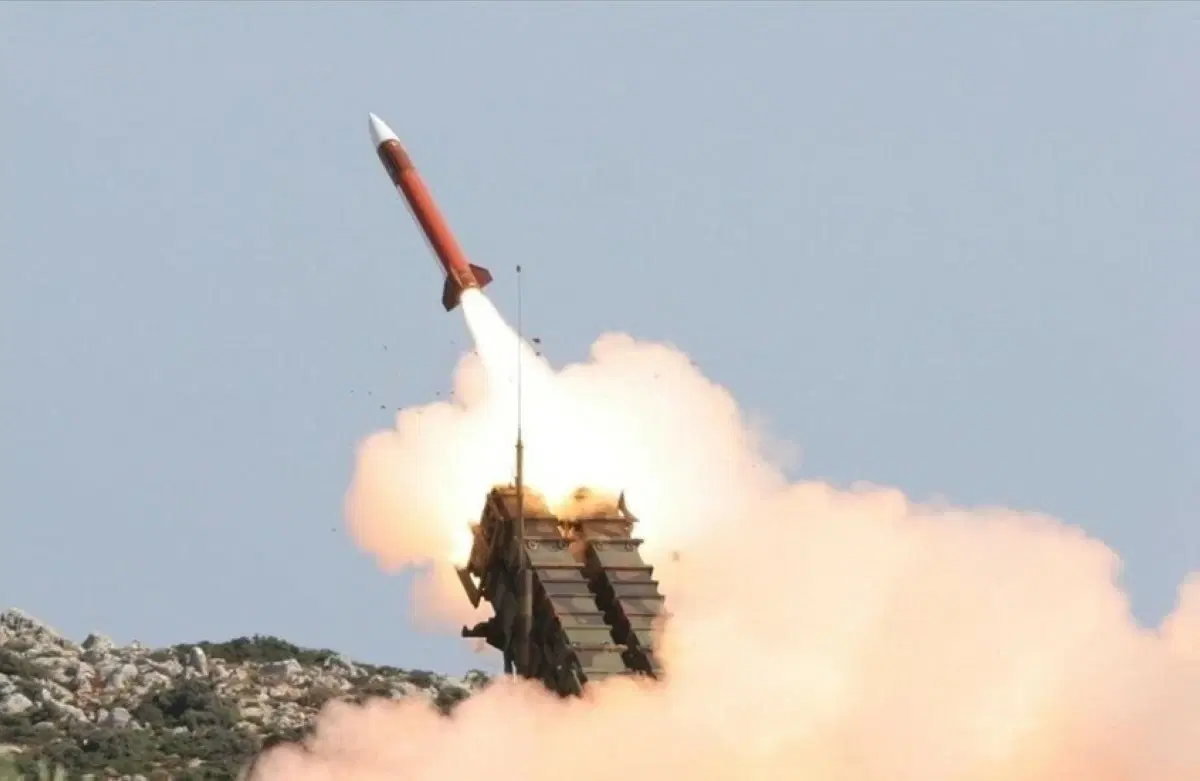
The summit, which kicked off Saturday for a two-day run, is expected to be dominated by the war that broke out in the Middle East in late February following US and Israeli strikes on Iran, the ongoing war in Ukraine since 2022, and the resulting disruptions to global trade and oil prices.
Xi's attendance itself is a major event, marking his first visit to the country since 2019 and a significant step in the slow rapprochement between the two rival nations, six years after their deadly military confrontation along the disputed border in the Himalayas.
Relations between the two nuclear-armed Asian giants have seen a gradual improvement following their agreement to resume flights, high-level communications, and visa issuances.
Beijing affirmed on Friday that "China is ready to work with India... by enhancing communication, strengthening cooperation, and properly handling differences."
Xi is holding direct talks on Saturday with Indian Prime Minister Narendra Modi, according to the Indian Ministry of External Affairs.
The BRICS forum was established in 2009 to bring together major emerging economies—Brazil, Russia, India, and China—which were quickly joined by South Africa, operating outside the framework of blocs dominated by the United States and Western powers, such as the G7.
The bloc later expanded to include countries such as Iran, Saudi Arabia, and the United Arab Emirates, nations that hold widely divergent positions on the war in the Middle East.
Ahead of the summit, Modi received Iranian President Masoud Pezeshkian, who stated, "When a country is subjected to political and economic pressures on its trade, energy, infrastructure, and financial system, the consequences go beyond its borders."
Since the outbreak of the war, Iran has closed the Strait of Hormuz, a vital waterway for global energy supplies, causing a sharp surge in oil prices. Brent crude prices surpassed the threshold of one hundred dollars per barrel again this week.
The war is causing divisions among BRICS members, as Russia and China continue their trade dealings with Iran despite severe sanctions imposed by US President Donald Trump’s administration on Iran and countries dealing with it, as part of a campaign aimed at "strangling the Iranian economy."
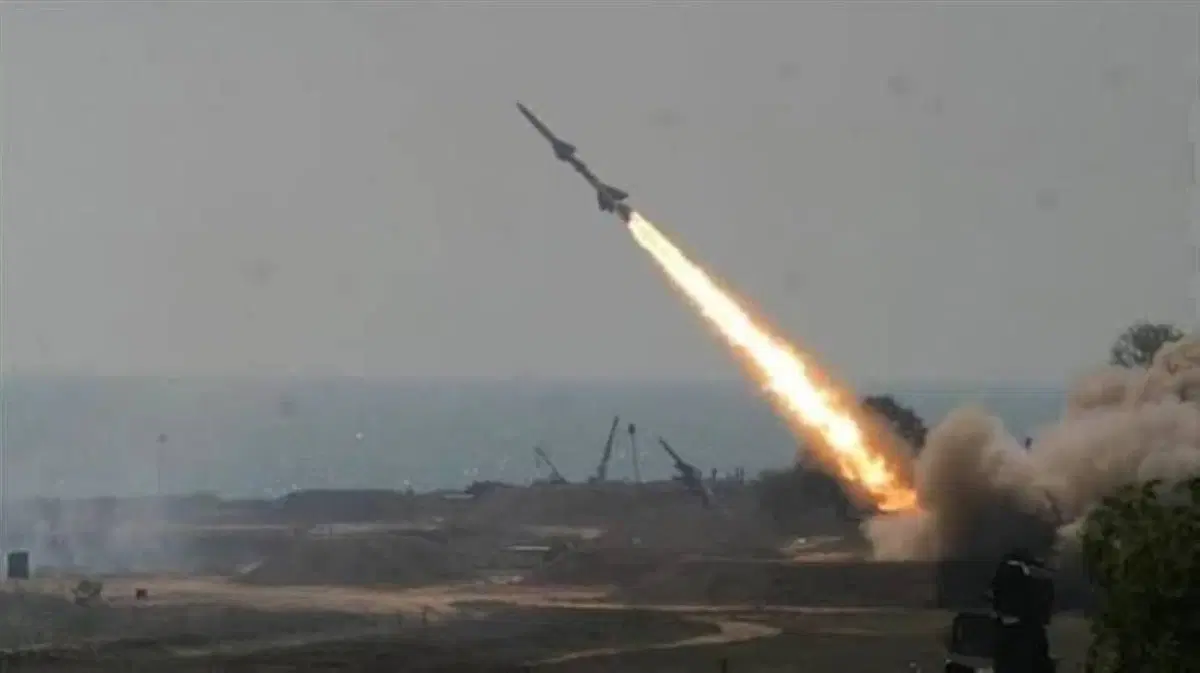
In contrast, the United Arab Emirates cut off economic activities, trade exchanges, and financial transactions with Iran in August after being targeted by Iranian missile strikes.
Harsh Pant, an analyst at the Observer Research Foundation, a think tank close to the Indian government, told AFP that "this conflict will be the main fault line during the summit."
On the other hand, Modi met with Vladimir Putin on Friday, six years—correction: six months—after the Russian president's last visit to India. New Delhi confirmed that they "shared views" on the Middle East and Ukraine, noting that Modi "reiterated that conflicts can only be resolved through dialogue and diplomacy."
India is a traditional ally of Moscow and has continued to import Russian oil despite US sanctions, considering that oil revenues allow Moscow to finance its war in Ukraine.
In turn, this has helped New Delhi overcome the energy crisis resulting from the Middle East war.