Immune-mediated colitis.. Is the era of control approaching?
Amman6 min read
Share
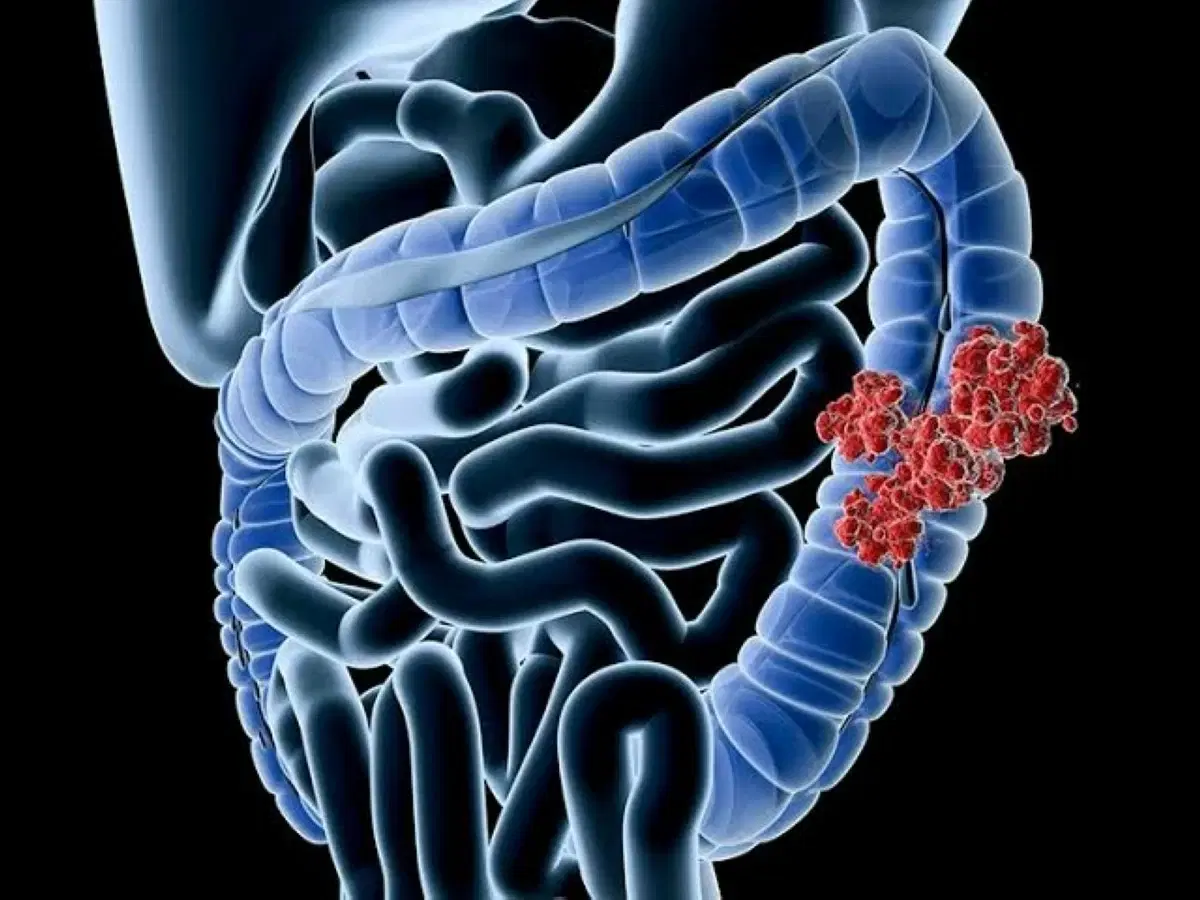
Inflammatory bowel diseases (IBD), which include Crohn's disease and ulcerative colitis, no longer necessarily mean constant suffering or the inevitable resort to surgery. Medical advancement, particularly the emergence of biological drugs and targeted therapies, has brought about a significant transformation in managing these chronic diseases, opening new horizons for controlling inflammation and improving patients' quality of life. But is a definitive cure near, or are we facing an advanced stage of long-term disease management?
When the immune system becomes a source of suffering
Inflammatory bowel disease occurs when the interaction between the immune system, the intestinal lining, and the microbes living within it is disrupted, causing the inflammatory response to persist in a way that damages tissues. Although the exact causes are still under investigation, genetic predisposition, environmental factors, and gut microbiome disorders play overlapping roles in the onset and progression of the disease.
The notable increase in the diagnosis of these diseases in a number of Arab societies points to the importance of promoting health awareness and developing diagnostic and treatment services, especially since the disease can affect young people at early stages of their lives, impacting their studies, work, and psychological and social stability.
One of the fundamental problems lies in confusing organic inflammatory bowel diseases with irritable bowel syndrome (IBS), which is a different functional disorder. Frequent diarrhea accompanied by rectal bleeding, unexplained weight loss, or a persistent high fever requires careful medical evaluation and should not be treated as merely a result of stress or dietary disruption.
Early diagnosis.. The first step toward control
The diagnosis of inflammatory bowel diseases relies on an integrated set of tests, including medical history, clinical examination, and blood and stool tests. Among the most important is the measurement of fecal calprotectin, which helps detect intestinal inflammation and distinguish it from functional disorders in many cases.
Colonoscopy with tissue biopsies is at the forefront of diagnostic tools, while imaging techniques, such as magnetic resonance enterography and specialized ultrasounds, are used to assess the extent of the disease and its complications, especially in Crohn's disease, which may affect parts of the digestive system that traditional endoscopes cannot reach.
Complex cases require the cooperation of a multidisciplinary medical team to ensure accurate diagnosis, selection of the most appropriate treatment, and monitoring of the response. Serious symptoms, such as heavy bleeding or severe abdominal pain accompanied by obvious bloating or acute dehydration, require urgent visits to the emergency room.
Biological drugs.. A qualitative leap in treatment
The emergence of biological drugs represented a significant shift in the treatment of inflammatory bowel diseases; they target specific pathways responsible for inflammation rather than just alleviating symptoms. Most notably, infliximab and adalimumab, which target tumor necrosis factor-alpha (TNF-alpha), vedolizumab, which limits the migration of inflammatory cells to the intestines, and ustekinumab, which targets interleukin-related pathways.
These treatments are complemented by modern oral medications, such as certain JAK enzyme inhibitors and sphingosine-1-phosphate receptor modulators, which are used according to the type and severity of the disease and the health characteristics of each patient.
The therapeutic goal is no longer limited to stopping diarrhea and relieving pain, but has extended to achieving sustained remission, healing the intestinal lining, and reducing complications, thereby decreasing the need for hospitalization or surgical intervention for many patients.
However, not all cases respond to treatment in the same way, and some patients may need to change medication or adjust the treatment plan under the supervision of a gastroenterologist. These drugs also require risk assessment and regular monitoring, and they should not be stopped or replaced with herbal prescriptions without consulting a doctor.
Will biologics end the era of the disease?
The most accurate scientific answer is that biological drugs have not ended inflammatory bowel diseases, but they have changed their course for large numbers of patients. It has become possible to achieve long-term remission, improve quality of life, and limit intestinal damage and the complications of chronic inflammation.
As for a definitive cure, it remains a research goal that has not been generally achieved. These diseases may go through periods of remission and relapse, and their course varies from one person to another. Therefore, the realistic hope lies in achieving sustainable control of inflammation, while minimizing side effects, preserving bowel function, and avoiding surgeries whenever possible.
In this context, research related to the gut microbiome, probiotics, and fecal microbiota transplantation continues, but these methods are not a generally approved substitute for standard treatments for inflammatory bowel diseases, and their use remains linked to scientific evidence and specific cases.
Medical misinformation.. A danger no less important than the disease
Despite therapeutic progress, patients face an additional challenge represented by the spread of herbal prescriptions, mixtures of unknown origin, and claims promising a definitive cure. Relying on these may lead to delaying effective treatment or exposure to harmful substances, in addition to the risk of disease relapse when stopping prescribed medications.
There is no single diet or herbal mixture proven to cure Crohn's disease or ulcerative colitis. However, balanced nutrition, addressing nutritional deficiencies, and avoiding foods that increase symptoms for the patient are important elements of integrated care, in coordination with the doctor and a nutritionist.
Cost of treatment.. A challenge requiring Arab solutions
The benefit of scientific development is not complete as long as the cost of biological drugs prevents some patients from accessing them. Hence the importance of expanding health insurance coverage, supporting drug provision programs, and promoting the use of approved biosimilars, which may reduce expenses while maintaining the required efficacy, safety, and quality.
Unified purchasing, price negotiation, and cooperation between research institutions, universities, and pharmaceutical companies can also contribute to improving access to treatment. Investing in the biopharmaceutical industry, technology transfer, and training Arab talent remains a strategic path to enhance pharmaceutical security and reduce reliance on imports.
From suffering to a more stable life
The future of treating inflammatory bowel diseases is not based on a single drug, but on an integrated system that combines early diagnosis, targeted therapy, regular follow-up, nutritional and psychological support, and making medication available at an affordable cost.
Biological drugs have opened a wide door to hope, but they are not the end of the road. The real battle lies in turning scientific progress into an opportunity available to every patient, away from misinformation, delayed diagnosis, and financial obstacles.
The most important message is that having a chronic disease does not mean surrendering to suffering; with the correct diagnosis, appropriate treatment, and continuous follow-up, many patients can regain a large part of their activity and quality of life, while science continues to search for more effective and safer treatments, and perhaps for methods that achieve long-term recovery in the future.