
Changing the diet does not mean dispensing with medical treatment
Personal experiences are not enough to prove the effectiveness of a diet system
Follow Al Rai

They observed cases of deteriorating diabetes following the abandonment of insulin in favor of diet
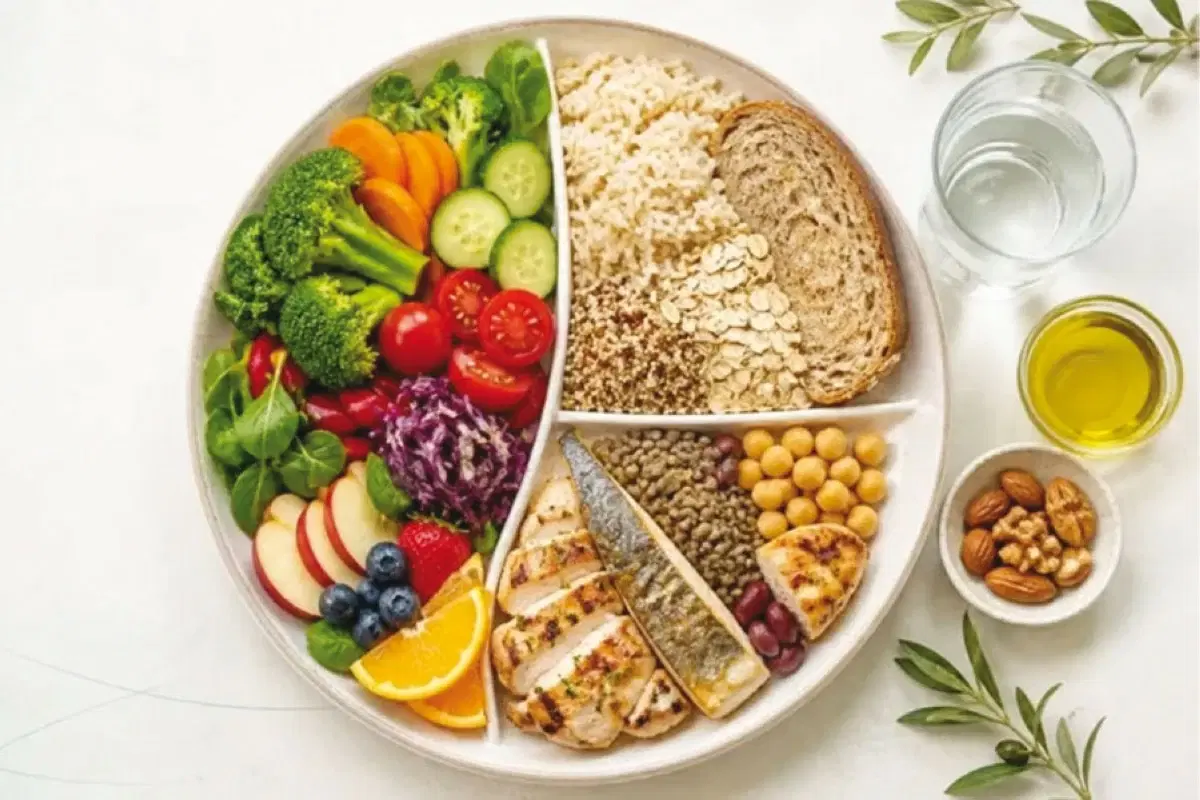
Changing the diet does not mean dispensing with medical treatment
Personal experiences are not enough to prove the effectiveness of a diet system
A number of doctors and nutritionists warned against treating what is now known as the 'healthy foods system' as a substitute for medical treatment, or considering it as a dietary prescription suitable for all patients regardless of their conditions.
They emphasized that the choice of any diet should be based on accurate medical diagnosis and the individual health condition of each patient, supported by clear scientific evidence, warning that stopping or modifying medication doses without the supervision of the treating physician may lead patients into serious health complications.
They also emphasized the need not to stop any medication or change its dose based on a diet or personal experience, especially in patients with chronic diseases, and that any modification in treatment should be coordinated with the treating physician.
They confirmed the importance of relying on rigorous scientific studies when evaluating any diet system, and not considering the spread of the system through social media as evidence of its effectiveness, alongside enhancing the role of doctors and nutritionists in correcting circulating health information.
These warnings came in a panel discussion organized by the Jordanian General Physician Association as part of the activities of its thirteenth conference, entitled 'Towards a Healthy Dietary System Compatible with Science', and participated by the President of the Association and the President of the Conference, Dr. Munir Abu Al-Sum, the President of the Jordanian Heart Doctors Association, Dr. Jamal Al-Dabbas, the gastrointestinal specialist, Dr. Maisam Akroush, the endocrinologist and diabetologist, Dr. Muhammad Ghanam, and the nutritionist Duaa Shank, while the discussion was moderated by the Secretary of the Association, Dr. Ibrahim Abu Tina.
Dr. Ghanam said that doctors have dealt with cases of diabetic patients who suffered setbacks after stopping insulin intake due to their belief in the possibility of relying on diet alone, pointing out that some cases reached serious complications, especially among type 1 diabetes patients.
He explained that some patients may notice improvement after changing their dietary pattern, whether due to weight loss or reducing ultra-processed foods, sugars, and sweetened beverages, but that does not mean that the diet being followed has become a substitute for medical treatment, stressing that improvement in some health indicators does not justify stopping the medications prescribed by the doctor.
He pointed out that the danger lies when following a diet becomes a decision to stop a proven treatment or change its doses without medical follow-up, stressing that diabetes patients, especially type 1, need to deal with their condition according to the medical requirements of the disease, and that the prescribed treatment cannot be replaced with general dietary recommendations.
For his part, Dr. Al-Dabbas confirmed that medicine does not treat food as a single recipe suitable for all patients, explaining that the diet should be determined according to the patient's health condition, age, medications, accompanying diseases, and factors related to the patient's lifestyle.
He said that the difference between patients makes it difficult to adopt a single diet for all cases, especially in patients with diabetes, high blood pressure, heart disease, kidney disease, and lipid disorders, stressing that any therapeutic dietary intervention should be preceded by an appropriate medical evaluation.
He called for not generalizing the results of individual experiments, explaining that the experience of one person cannot replace clinical studies that compare groups of patients and determine the benefits and risks scientifically.
He stressed that the media and social media bear an important responsibility in dealing with medical information, calling for not providing dietary and therapeutic advice in a way that may lead patients to make decisions that affect their treatment, especially when these decisions are related to stopping or replacing medication.
Dr. Akroush said that medical information should be based on scientific research, pointing out that personal experiences, no matter how real they are to the person, are not enough to prove the effectiveness of a diet system or to prove that it is the direct cause of improvement.
She emphasized the importance of balance, moderation, and diversity in food, along with physical activity and avoiding smoking and reducing sugars and ultra-processed foods, pointing out that dealing with food should take into account the differences between people and the causes of symptoms and diseases.
She explained that excluding a certain type of food may be appropriate in specific cases, but it does not necessarily mean that this food is harmful to all people, calling for searching for the causes of the disease instead of being satisfied with a general list of prohibited and allowed items.
For her part, the nutritionist Duaa Shank said that 'healthy foods' cannot be treated as an approved medical diet system, explaining that some people may feel better after excluding a group of foods, but this improvement does not necessarily prove that the system itself is the responsible factor.
She pointed out that some diet recommendations may overlap with known dietary principles, such as reducing ultra-processed foods and sweetened beverages, which may explain part of the improvement observed by some followers, without implying the adoption of the method in its entirety as a treatment protocol.
She emphasized the importance of the body getting its needs from different food groups in appropriate quantities, warning against unbalanced systems that may lead, in some people, to a deficiency in nutritional elements or exacerbation of certain health problems.
Dr. Abu Al-Sum said that diseases are not caused by food alone, and that each disease has multiple causes and factors, which makes it difficult to reduce treatment to a single diet.
He pointed out that some diets present themselves as a universal solution for a wide range of diseases, while modern medicine is based on diagnosis and determining treatment according to the condition of each patient, stressing that each person has their own special health circumstances that determine their nutritional and therapeutic needs.
He added that doctors face cases of type 1 diabetes patients who have stopped using insulin due to adopting some dietary beliefs, which puts the doctor in the challenge of returning the patient to the safe treatment path.
He confirmed that medicine is based on proof, evidence, and scientific studies, and that the improvement that occurs in some people after changing their food pattern is not enough to prove that the followed system is the sole or direct cause of improvement.
For his part, Dr. Abu Tina emphasized that there are people who have talked about benefiting from some dietary practices, while others have talked about being exposed to harm or setbacks, stressing that the role of the doctor is to place these experiences within the correct scientific framework.
He said that the responsibility of doctors is not limited to prescribing treatment, but also includes educating patients about the risks of making therapeutic decisions based on unverified information, and stressing the need to return to the doctor before making any major change in the diet or drug treatment.
In their discussion about the spread of 'healthy foods', the participants believed that the phenomenon should not be dealt with by mocking the experiences of people who say they benefited from it, while at the same time emphasizing the need to distinguish between the truthfulness of personal experience and proving therapeutic effectiveness.
They pointed out that some supporters of the system may resort to it for different reasons, including the high cost of treatment and medications, which necessitates dealing with the phenomenon as a health and social issue that needs awareness rather than mere rejection of the experiences of its proponents.
They pointed out that some dietary recommendations may be useful in themselves, but the presence of correct advice within a certain system does not mean the correctness of all its components or its suitability for treating chronic diseases.
The participants confirmed the absence of rigorous clinical trials published to prove that the 'healthy foods system' represents a safe and effective treatment protocol for chronic diseases, and therefore should not be presented as a substitute for medical treatment or used as a basis for stopping medications or changing their doses without medical supervision.
They pointed out that the improvement felt by some people may be related to multiple factors, including reducing ultra-processed foods, carbonated beverages, and added sugars, or losing weight, or changing the lifestyle in general, and not necessarily the philosophy of the system or all its rules.
They also pointed out that the psychological effects associated with the expectation of improvement can affect the perception of symptoms, which is known as the placebo effect, confirming that the improvement in the feeling of symptoms does not necessarily mean biological healing from the disease.
They emphasized that the lack of sufficient evidence for 'healthy foods' as a treatment system does not mean that every dietary recommendation in it is harmful, but rather means the need to evaluate each recommendation separately according to scientific evidence and the health condition of the person.
At the end of the panel, the participants emphasized the importance of enhancing health culture in society, not presenting dietary diets as comprehensive treatments for diseases, and the need to distinguish between general dietary advice and the therapeutic diet system that requires evaluation and follow-up.
Know more about this story?Send us a tip
Ask about this report — answers stay grounded in its text.




