Government approves the Public Safety Regulation in the Aqaba Special Economic Zone
Amman4 min read
Share
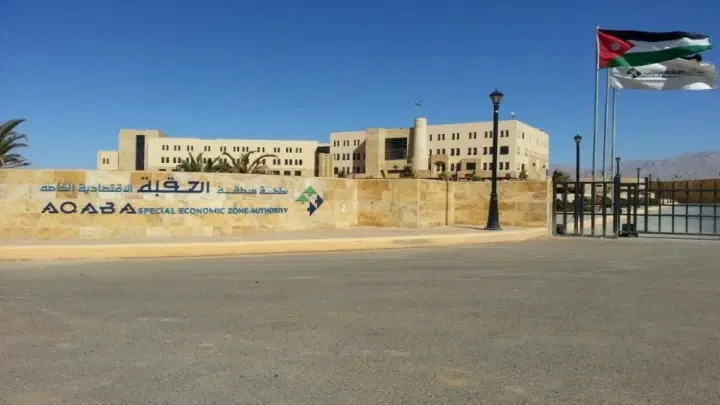
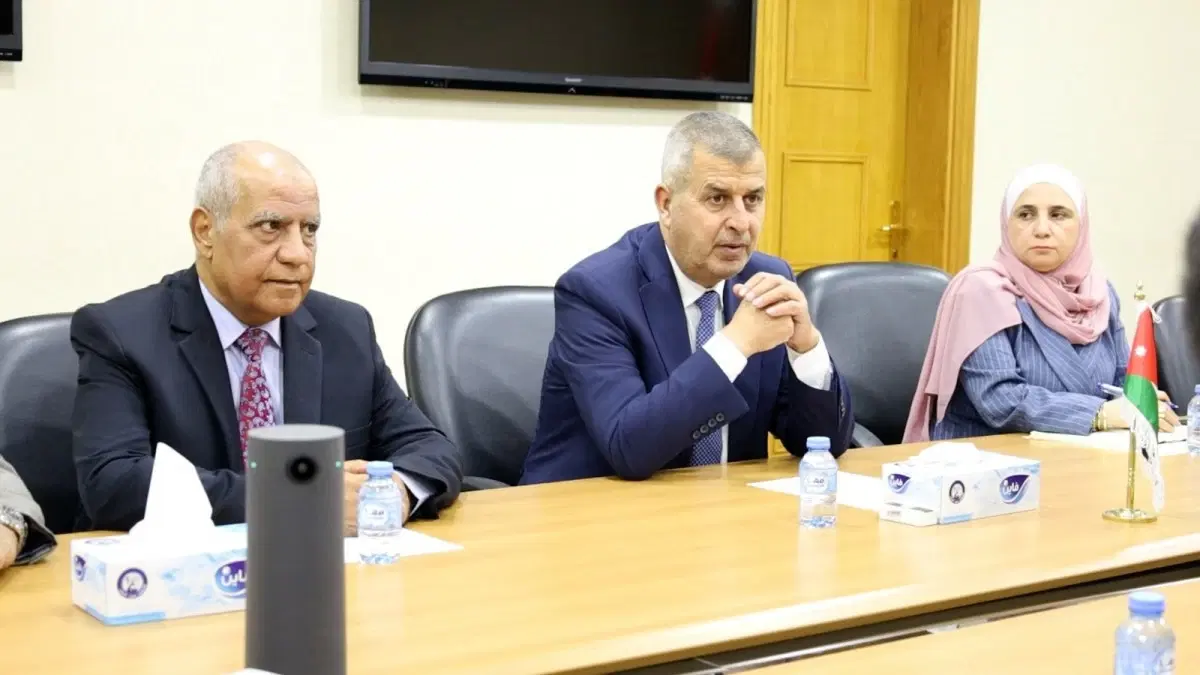
The Council of Ministers, during its session held on Sunday chaired by Prime Minister Jafar Hassan, approved the Public Safety Regulation in the Aqaba Special Economic Zone for the year 2026, as part of the legislation regulating investment support and the operations of certain economic activities.
The regulation aims to enhance and develop safety requirements in economic facilities, public utilities, complexes, buildings, parks, and schools within the Aqaba Special Economic Zone, in alignment with technical updates and advancements, while strengthening Aqaba’s position as a safe and attractive area for investment and business.
The regulation is designed to be compatible with, complementary to, and supportive of the systems and instructions of the competent authorities, the Civil Defense, and Public Security, thereby enhancing integration and information exchange between them.
The regulation establishes a unified and comprehensive framework for public safety across various sectors and activities within the zone, enhancing the protection of individuals, property, and the environment, increasing facility preparedness to prevent risks and handle accidents and emergencies, and supporting the continuity of economic, tourism, and service activities.
The regulation covers four integrated phases: awareness, preventive measures, remediation and rehabilitation, and documentation of lessons learned. It applies to all establishments, economic activities, entertainment venues, public events, beaches, residential clusters, and tourist camps within the Aqaba Special Economic Zone, expanding the safety umbrella to include places where citizens work, reside, or where visitors frequent.
The regulation serves as a framework for coordinating efforts and roles between institutions with the aim of developing the public safety system, in addition to providing regulatory clarity that aids in planning and compliance, and enhances business sustainability.
The regulation is based on the principle of prevention; it requires establishments to analyze work risks, identify their sources, evaluate them periodically, establish necessary procedures to mitigate them, and document and follow up on these procedures.
The regulation comes in light of the growing economic and tourism movement in Aqaba and the technical advancements and updates required in the fields of public safety, which have become a key requirement for encouraging investment and economic activities. This necessitates the strengthening of safety measures in all economic, investment, tourism, and social facilities, relying on awareness and education, and benefiting from previous experiences in this context.
The regulation requires establishments to prepare and update emergency and evacuation plans, have them approved by the competent authorities on an ongoing basis, and conduct periodic drills in coordination with the Civil Defense, in addition to providing effective early warning systems that allow everyone in the facility, including persons with disabilities, to handle warnings and respond to them.
Protection mechanisms are not limited to workplaces; the draft regulation sets safety requirements for event sites and tourist camps, including crowd management, compliance with capacity limits, organization of entry and exit, provision of warning, fire-extinguishing, and first-aid systems, and services necessary for the elderly, persons with disabilities, and children. In entertainment and amusement facilities, the draft regulation mandates the application of the highest safety standards in operation, the conduct of periodic inspections and maintenance for rides, and the provision of qualified technical supervision during their operation, while defining the age groups and health conditions permitted to use each ride, and clearly announcing this to users.
The regulation also requires taking necessary measures to protect road users during construction and maintenance work, and prohibits obstructing or occupying roads in a manner that affects public safety without prior approval. It also imposes fire prevention requirements in buildings and residential clusters and mandates maintaining the safety of elevators and conducting periodic maintenance for them.
The regulation adopts a unified classification for preparedness and early warning with four levels: green for normal conditions, yellow for heightened readiness and monitoring with the possibility of the event escalating, orange for partial activation of the emergency plan when there is a high probability of occurrence, and red for full activation of the plan when the event occurs, thereby unifying the understanding of entities and establishments regarding what must be done in each case.
Measures taken against those violating safety requirements are graduated; after a notification and a written warning, work is suspended partially or completely, leading up to full or partial closure until conditions are rectified and safety requirements are met.