Oil prices fall by more than 3% amid anticipation of developments in talks regarding Iran
Amman3 min read
Share
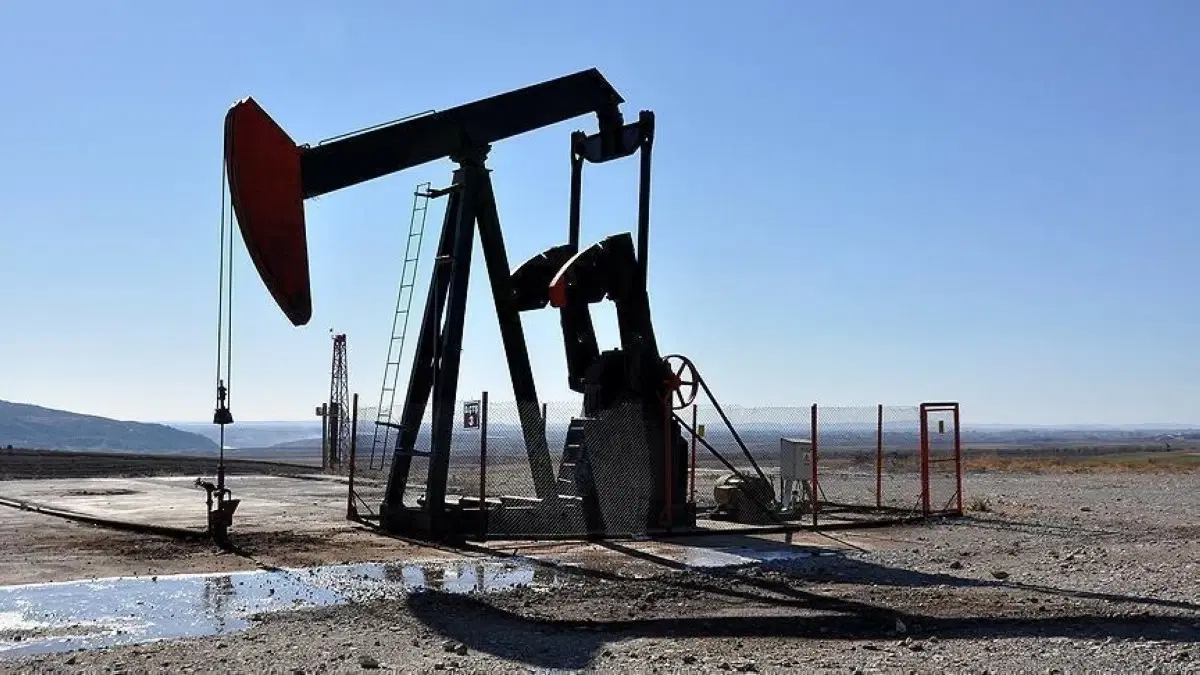
Oil prices fell by more than 3% in early Asian trading on Monday, after Iranian and Qatari officials held talks for the third consecutive day aimed at reaching an agreement to end the US-Israeli war on Iran, amid hopes of diplomatic progress that would ease fears of a new military escalation.
By 04:07 GMT, Brent crude futures fell $3.68, or 3.2%, to $109.75 a barrel, while US West Texas Intermediate crude fell $3.43, or 3.3%, to $100.69 a barrel.
Brent crude had finished October trading at its highest level in six months, amid fears of renewed escalation between the United States and Iran following the US midterm elections scheduled for Tuesday.
Tim Waterer, a market analyst at KCM Trade, said that the decline in oil on Monday morning represents a technical correction after strong gains last week, adding that hopes for continued diplomatic progress and the absence of a major military escalation over the weekend eased immediate pressure on prices.
However, he pointed out that the market is still anticipating the possibility of an escalation in rhetoric regarding Iran, which could push Brent crude toward $120 a barrel after the midterm elections.
Iranian Foreign Minister Abbas Araghchi said on Sunday that the "ongoing and advanced" talks aim to continue consultations with Qatari mediators, affirming Tehran's readiness "for defense and diplomacy together."
The talks are taking place at a time when oil tankers crossing the Strait of Hormuz are being subjected to attacks, which increases global energy and shipping costs. Two of three ship tracking firms reported that Saudi Arabia increased its crude exports in October compared to September, despite attacks launched by Iran-aligned Houthis on energy infrastructure facilities in the Kingdom.
Analysts at ING bank said in a note to clients that oil price movements over the past few weeks reflect the market's increasing readiness for the possibility of renewed fighting between the United States and Iran.
They added that the main question, in the event that the midterm elections pass without strikes or an agreement, is whether the market will continue to factor in a significant geopolitical risk premium or if this premium will begin to gradually fade.
In a related context, the Organization of the Petroleum Exporting Countries (OPEC) and its allies, within the "OPEC+" group, kept production targets for December unchanged, a move that reinforces expectations that no additional adjustments to production policy will be made before next year, in light of the continued oil export disruptions caused by the war on Iran.