Gaza Municipality: Winter Threatens Disaster.. Rainwater Drainage Readiness Does Not Exceed 20%
Agencies6 min read
Share
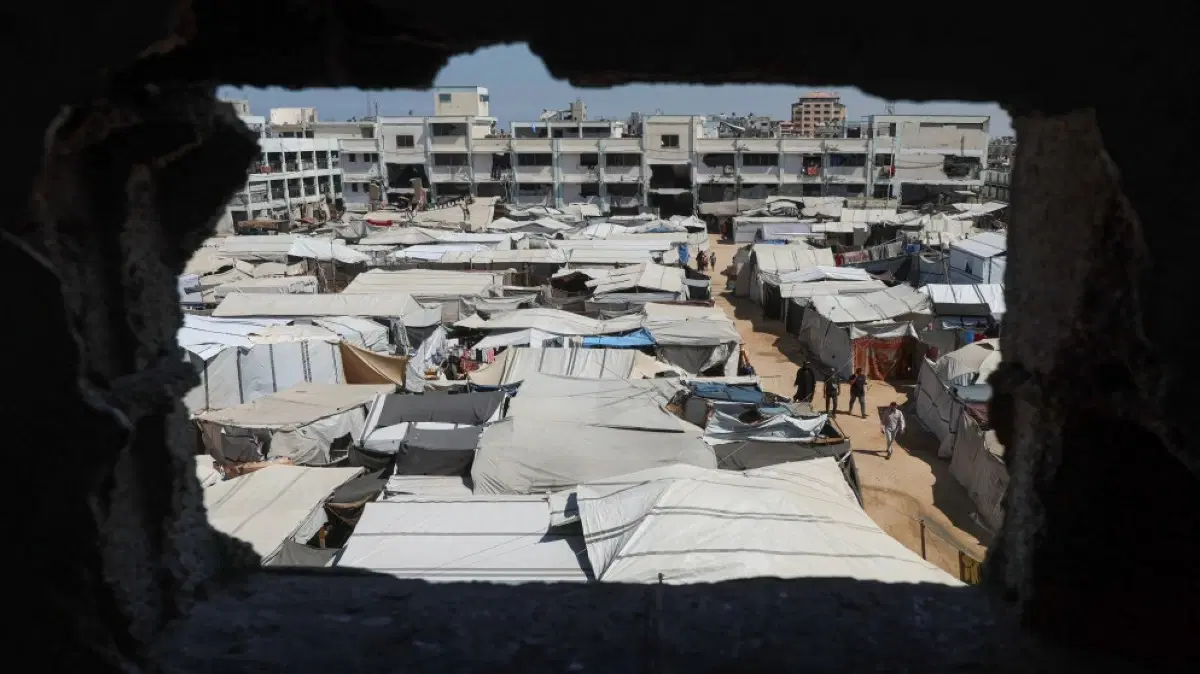
Gaza Municipality warned of multiple risks facing the city as winter approaches, amid widespread destruction of infrastructure due to the Israeli war, the accumulation of nearly 25 million tons of rubble, and the reduction of rainwater drainage capacity to about 20% in the best-case scenario, which threatens to exacerbate water accumulation and flooding of displacement areas and temporary shelters in case of heavy rains.
Hassan Mehanna, spokesperson for the Gaza Municipality, said that the amount of rubble within the city's jurisdiction is estimated at nearly 25 million tons according to the latest estimates, while the amount of rubble obstructing roads is about 1.25 million tons. He noted that the municipality, in cooperation with supporting institutions, has so far managed to remove about 47% of the rubble in the roads.
He added that more than half of the rubble obstructing the roads still needs to be removed and relocated, pointing out that the need is concentrated in areas that have been extensively damaged and where roads have been closed or movement has become difficult, including Tel al-Hawa, Al-Ramal, Al-Nasr, Al-Zaytoun, Al-Tuffah, and Al-Shati.
Mehanna pointed out that the municipality has recently started using processed rubble in quarries to level some streets and increase their capacity to withstand rainwater, allowing the use of part of the destruction waste in road rehabilitation work.
- Extensive damage to drainage networks
Mehanna explained that the infrastructure in the Gaza Strip and the city of Gaza in particular has suffered significant damage, noting that the war destroyed about 21,000 linear meters of rainwater drainage lines and 212,000 linear meters of sewage networks, in addition to the damage to 8 sewage pumping stations and 3 rainwater collection ponds within the city's system.
He clarified that the municipality is currently working to rehabilitate the sections that can be repaired, isolate manholes and drains, and open points that can be operated, stressing that these efforts do not mean the full resumption of the network in light of the extent of the damage and the lack of necessary equipment and materials.
He said that the municipality has carried out isolation work for sewage manholes, rehabilitated parts of rainwater drainage lines, and continues to clean drains in preparation for the winter season, including operating workers to collect waste and clean rainwater drains to reduce the risks of water accumulation.
He pointed out that the drainage capacity of the network has decreased to about 20% at best, while large sections and areas of it need greater repairs and equipment and materials that are not available in sufficient quantities.
- Fears of flooding and building collapse
Mehanna warned that heavy rains may coincide with extensive damage to rainwater drainage networks, large accumulations of rubble, and the presence of displaced people in low-lying areas or inside dilapidated tents and temporary shelters.
He said that the risks are not limited to water accumulation in the streets, but also include the possibility of flooding displacement areas and water invading tents, the collapse of parts of damaged buildings, and the closure of roads to ambulances, civil defense, and municipal teams.
He added that rainwater accumulation near waste or leaking sewage raises health and environmental risks, especially with the possibility of rainwater mixing with sewage water or contaminants present in damaged areas.
He pointed to the danger of collapsing residential buildings that are classified as dangerous by the municipality and partner institutions, stressing that the municipality has started preparing for winter before the weather depressions, by cleaning the remaining drains, leveling some streets, and preparing for low-lying areas and shelters, according to available capabilities and resources.
He confirmed that the municipality has already started leveling damaged streets in Tel al-Hawa, Al-Nasr West, Al-Nasr East, and Al-Ramal, using the remains of destroyed buildings after processing, with the aim of improving the condition of the roads and their capacity to withstand rainwater.
- Equipment, pumps, and fuel.. The most urgent needs before the first depression
Mehanna said that the municipality is working on early preparation for the winter season by cleaning and isolating rainwater and sewage drains and manholes, opening roads and leveling damaged streets, and identifying areas that may experience water accumulation, prioritizing displacement areas, low-lying areas, and vital roads.
He explained that the success of the emergency plan is linked to the availability of capabilities, noting the urgent need for the municipality to have water suction pumps, electric generators, machinery for opening and leveling roads, trucks, equipment for isolating drains and manholes, in addition to fuel, oils, spare parts, vehicle batteries, and other necessities.
He emphasized that responding to any weather depression in a city damaged to this extent requires the provision of equipment in advance, so that it can be used during emergency hours, rather than waiting for it to arrive after flooding occurs.
He also pointed to the need for temporary housing alternatives to tents, such as caravans, wooden and mobile houses, in addition to the necessary building materials to carry out maintenance operations for damaged buildings.
Mehanna stressed that the municipality's message to international and humanitarian agencies is the need to treat winter preparedness as an urgent preventive intervention, not a response after the disaster has occurred, calling for the provision of equipment for removing and lifting rubble, heavy machinery, transport trucks, water suction pumps, generators, drain and manhole isolation equipment, as well as fuel, oils, spare parts, and vehicle batteries.
He called for supporting road opening and leveling operations, especially roads serving displacement areas and shelters, and removing rubble and concrete blocks from roadbeds, so as not to become obstacles to rainwater drainage or the movement of ambulances and civil defense vehicles.
He emphasized that protecting displaced people from rain also requires providing winter shelter needs, especially in areas that still have tents or temporary shelters.
Mehanna pointed out that the municipality has started working in preparation for winter, but this is happening amid a severe shortage of resources, stressing that the priority now is to enable the municipality to implement preventive measures before the first weather depression, rather than being content with funding the response after the damage has occurred, in light of a devastated city, damaged drainage networks, and rubble that still blocks parts of the roads and displacement areas that need protection.