Gaza displaced face winter cold and catastrophic humanitarian conditions
Wafa5 min read
Share
As winter approaches, displaced persons in the Gaza Strip are gripped by fears of an even harsher humanitarian reality, amid bitter cold and rain that threaten to exacerbate their difficult living conditions and a severe shortage of basic life necessities.
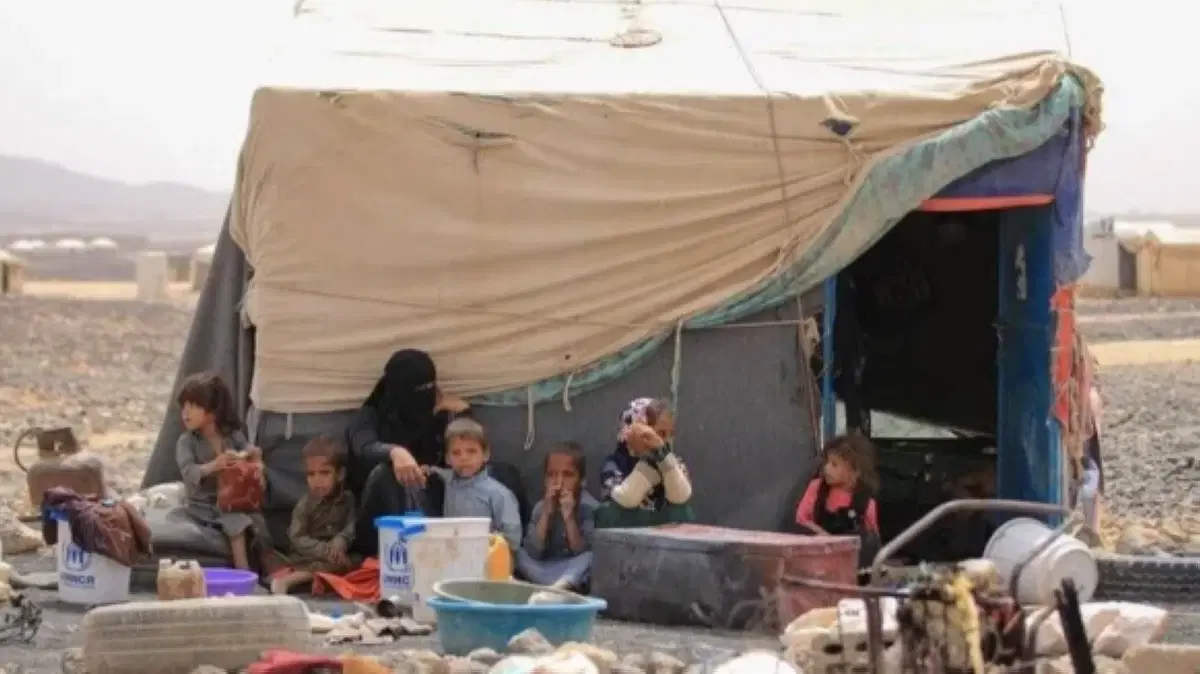
For the fourth consecutive year, the displaced find themselves facing a new chapter of suffering inside worn-out and dilapidated tents that do not provide sufficient protection from the cold and rain, amidst humanitarian conditions that grow more difficult with each passing day.
Despite repeated relief appeals and warnings of a catastrophic deterioration in the foundations of life within the Gaza Strip, the situation remains stagnant. Meanwhile, the displaced continue to face an acute shortage of shelter, basic materials, and heating methods, without sufficient solutions to protect them from the harshness of winter, at a time when estimates indicate that about 60% of displaced persons' tents have become worn out and unfit for use.
Displaced persons cry for help
Palestinian Suhail Al-Daghma (34) recounts his daily suffering, saying: "I am in the Al-Deera camp northwest of Gaza City, after I was displaced from the Al-Fakhoura area in Jabalia in the northern Strip. This is the eighth time I have been displaced after my house was destroyed there."
He adds: "Life in tents is a daily nightmare from which you cannot wake up and for which there is no solution. Last winter, my tent blew away due to the intensity of the winds, and rainwater completely soaked our belongings and clothes. I am currently living in a state of indescribable anxiety and a difficult psychological situation, as my tent is worn out and will not be able to withstand the coming weather depressions."
Al-Daghma appeals to relief institutions and organizations working in the Gaza Strip to provide new tents capable of withstanding weather depressions, and sand barriers to prevent rainwater from reaching inside their tents.
He concludes by saying: "I listen to weather forecasts and I am afraid that what happened last year will happen to me again."
As for Palestinian Waad Matar (45), a widow and mother of six children, she says: "As displaced people, we are standing at the doors of winter, and our tents have been torn since last year. Today, we need new tents and tarpaulins."
She adds: "The price of a tarpaulin in the market reaches 70 dollars, and we are without a breadwinner or support, and we do not have the financial ability to buy it. I hope everyone will look with mercy at the situation of the camps, especially since we saw and lived through the disasters of last year, when the tents were flooded by rain and torrential floods."
She continues: "We need many things as displaced people; we need lighting, blankets, and heating methods for children and the elderly, and we also need in-kind and cash assistance."
Matar continues, filled with heartbreak: "We have children we fear for due to severe colds, in light of the lack of heating methods inside the tents. Some of the available options involve risks, such as lighting fires inside tents that are primarily made of nylon reinforced with cotton fabrics."
Palestinian Matar used to live in the Shuja'iyya neighborhood east of Gaza City, before being forced to displace four times, eventually settling with her family in the Al-Deera camp northwest of Gaza City, where she lives with a family of seven, most of whom are children.
The displaced live in tents under extremely difficult living conditions, in light of a tragic reality embodied by the erosion of shelter tools and the continued shortage of aid, coinciding with the approach of winter and the early onset of rain.
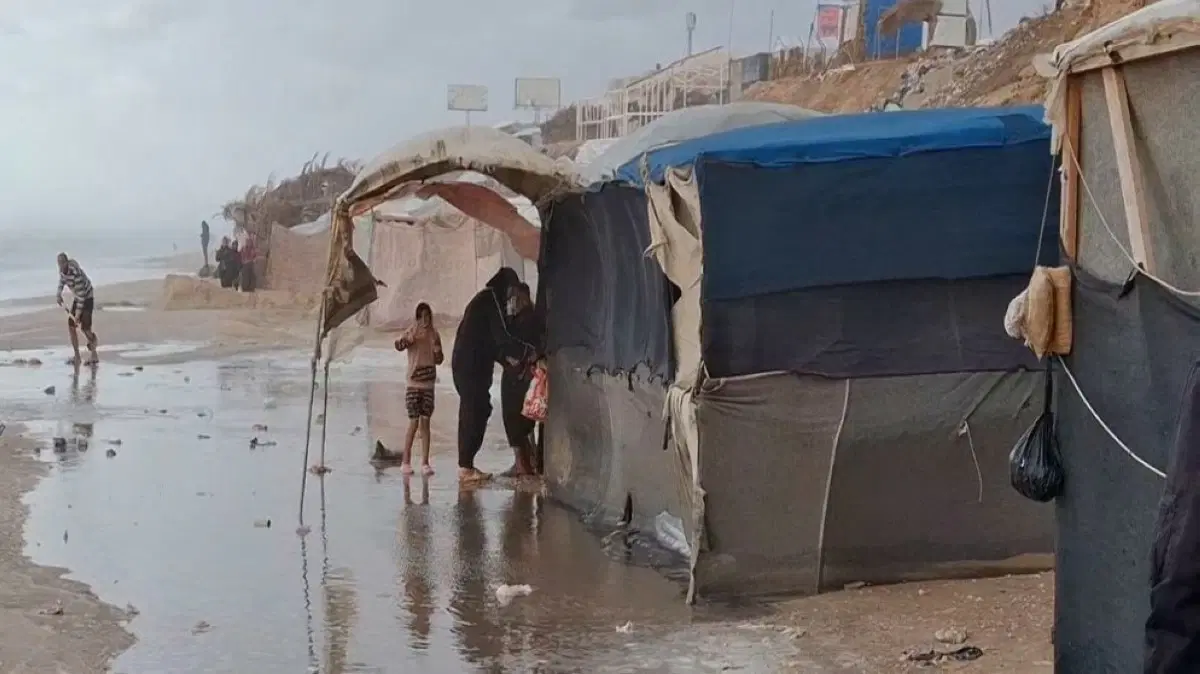
The displaced had lived through catastrophic conditions last winter, with the intensification of wind speed and rainfall, which led to the flooding, blowing away, and tearing of a large number of tents, prompting the displaced to launch video appeals for urgent relief and to secure supplies to protect them from the harshness of winter.
Statistically
Field sources indicate that a field survey of the reality of displacement camps in the Gaza Strip showed that about 162,000 tents have become worn out and out of service, out of 270,000 tents housing displaced families in various governorates of the Strip, which is approximately 60% of the total number of tents.
The first autumn rains that fell on the Gaza Strip renewed the fears of the displaced of a repeat of the tent flooding scenario, after revealing their fragility and inability to face rain and wind, in light of the repercussions of the war and the harsh living conditions experienced by the displaced.
Palestinian sources in the Gaza Strip warned that the winter season would be "catastrophic" if the shelter crisis continues without urgent intervention, calling on the international community, UN organizations, and humanitarian institutions to act to provide new tents and bring in supplies and relief materials designated for the winter season.
The latest winter plan prepared by the United Nations Children's Fund (UNICEF) reveals the scale of the gap between the needs of the population and what is available to them, as about 84% of the Gaza Strip's population, or more than 1.76 million people, live in overcrowded displacement sites or damaged and inadequate shelters, with limited protection from cold, heavy rain, and flooding.