United Nations calls for return to negotiation table
US warning to financial institutions against dealing with Iran
Follow Al Rai

Islamabad and Doha continue mediation between Washington and Tehran
United Nations calls for return to negotiation table
US warning to financial institutions against dealing with Iran
London puts 3 Iranians on trial amid espionage charges
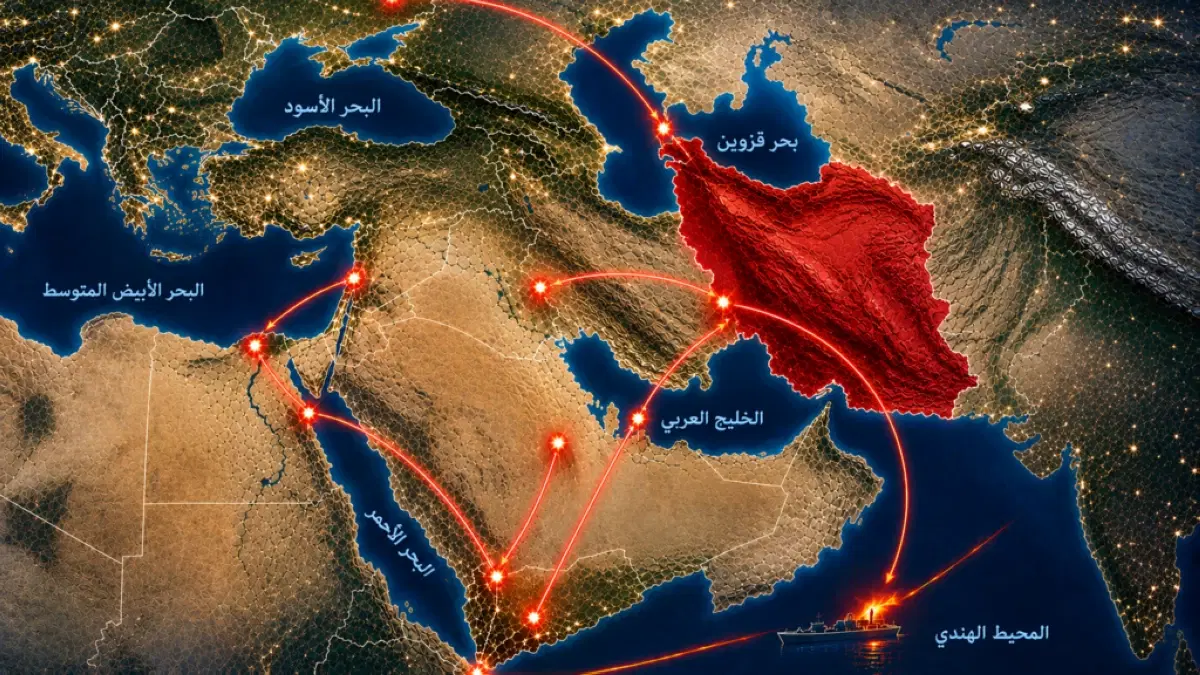
Diplomatic moves and international pressure continue in an attempt to contain the escalating conflict in the Middle East, with ongoing contacts between the United States and Iran through regional intermediaries, at a time when Pakistan and Qatar affirm the continuation of their efforts to reach a settlement and de-escalate, while Washington intensifies its economic pressure on Tehran and warns foreign financial institutions against dealing with it. Concurrently, the trial of three Iranians accused of spying for Tehran and targeting opposition journalists residing in the British capital began in London.
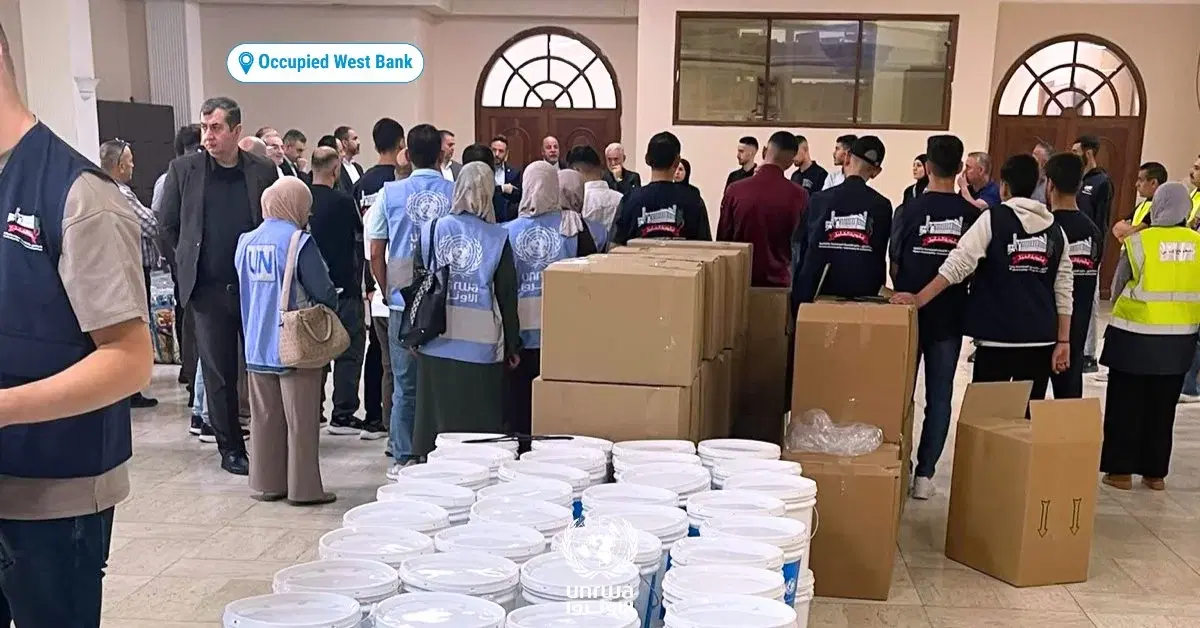
UN Secretary-General António Guterres affirmed on Tuesday that Pakistan is playing a "reliable" and "crucial" role in mediation between the United States and Iran, expressing hope that these efforts will continue and lead to establishing peace in the region.
During a press conference in the Pakistani capital, Islamabad, Guterres stated that Pakistan's mediation between Washington and Tehran has demonstrated that the country enjoys the trust of the warring parties, stressing the need to end the war, return to the diplomatic path, and fully restore freedom of navigation in accordance with international law.
He explained that Pakistan mediated a memorandum of understanding between Iran and the United States in June, before it collapsed in July with the resumption of Iranian attacks on ships in the Strait of Hormuz and the US response with military strikes on Iran.
Guterres said: "We can only hope that Pakistan's efforts continue, that they succeed, and that we finally witness peace in the Middle East," calling on all parties to halt the conflict and resume diplomacy.
In Doha, Qatar affirmed the continuation of its contacts with Iran and the concerned parties aimed at reaching a solution to the conflict.
Ibrahim Al-Hashemi, Director of the Media and Communication Department at the Qatari Ministry of Foreign Affairs, stated that contacts are "ongoing and have not been cut off," pointing out that visits and the exchange of messages between the parties continue through Qatar and its regional partners, with the aim of achieving progress that can be built upon.
Qatar plays a mediating role between Washington and Tehran, in light of the lack of clear progress on the path of resuming negotiations, despite the ceasefire agreement concluded in April, the memorandum of understanding signed in June, and the indirect talks held on the sidelines of the UN General Assembly meetings in September.
In the same context, the Emir of Qatar, Sheikh Tamim bin Hamad Al Thani, received Iranian Interior Minister Eskandar Momeni in Doha, where they discussed developments in the region and efforts aimed at de-escalation and enhancing regional and international security and stability, according to the Qatari Amiri Diwan.
Doha also touched upon the security developments in the region, as Al-Hashemi announced Qatar's support for the step taken by Pakistan and Turkey regarding the deployment of troops and military capabilities in Saudi Arabia, within the framework of a joint defense agreement signed by the three countries in August, but he noted that it is "still too early" to talk about Qatar joining this defense arrangement.
He stressed that his country supports any initiative taken by the countries of the region to preserve their security, sovereignty, and territorial integrity, including the "Makkah Pact," pointing out that regional defense cooperation would enhance stability and protect the resources of the region's countries. He also reiterated Qatar's support for Saudi Arabia in the measures it takes to preserve its security and territorial integrity.
On the economic front, the United States escalated its pressure on Iran, warning foreign financial institutions that they could face sanctions if they continue to conduct transactions with sanctioned Iranian financial institutions.
The US Department of Treasury said that foreign financial institutions that continue to deal with sanctioned Iranian entities "may be targeted at any time and without prior notice," urging them to take immediate measures to end those activities and relations.
These warnings come within the framework of an escalating US campaign to economically isolate Tehran, which during the past period included imposing sanctions on financial sectors, industries related to cryptocurrencies, railways, automobiles, and manufacturing.
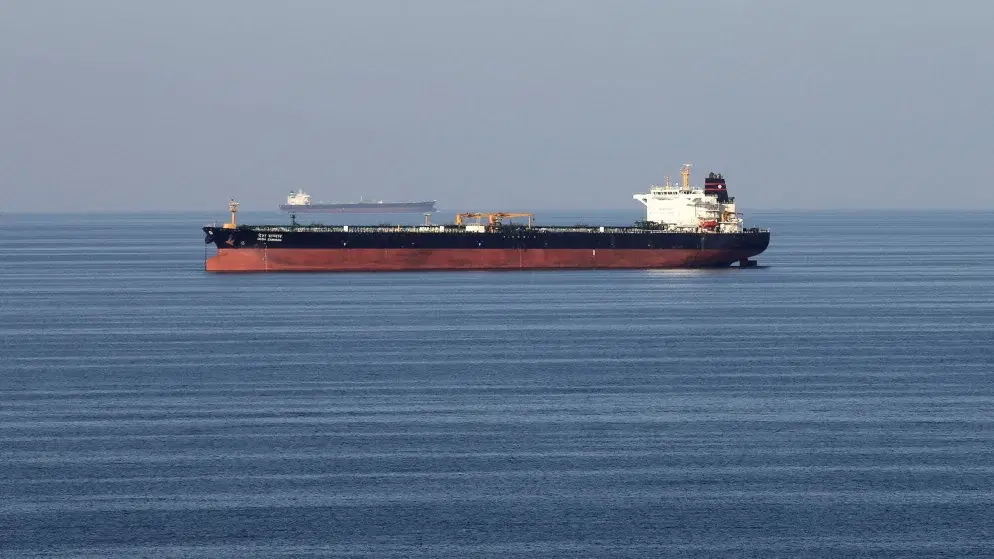
These pressures coincided with the ongoing repercussions of the conflict on global energy markets, amid tensions surrounding the Strait of Hormuz, which represents a vital corridor for the region's energy exports. In London, the trial of three Iranians began before Woolwich Crown Court, amid charges of spying for Iran and conducting surveillance and reconnaissance operations targeting opposition journalists residing in the British capital.
Those standing trial before the court are Mostafa Sepahvand, 41, Farhad Manesh, 46, and Shapour Nouri, 57. All defendants have pleaded not guilty to the charges against them.
Prosecutor Bill Emlyn Jones stated that the defendants are suspected of carrying out acts intended to assist a foreign intelligence service, explaining that they conducted surveillance and reconnaissance operations between August 2024 and February 2025, which included addresses linked to individuals, including two journalists working for the Persian-language "Iran International" channel.
According to the prosecution, the objective of the surveillance operations was to locate journalists and other individuals viewed as opponents or critics of the Iranian regime in preparation for targeting them, while Sepahvand was supposed to carry out a potential attack.
The defendants do not deny visiting the addresses and taking photos and videos, but Sepahvand said he acted under duress and fear, while Manesh and Nouri asserted that they were unaware their activities were intended to assist Iranian intelligence. The defendants face charges under the British National Security Act, and Sepahvand faces an additional charge related to conducting surveillance, reconnaissance, and gathering information from open sources with the intent of committing serious acts of violence, while Manesh and Nouri face charges related to surveillance and reconnaissance activities with the knowledge or intent that they would be used in committing serious acts of violence by others. The trial is expected to last about 6 weeks, in a case that comes amid escalating tension between Iran and Western countries and intensifying political, economic, and security pressures on Tehran.
Know more about this story?Send us a tip
Ask about this report — answers stay grounded in its text.