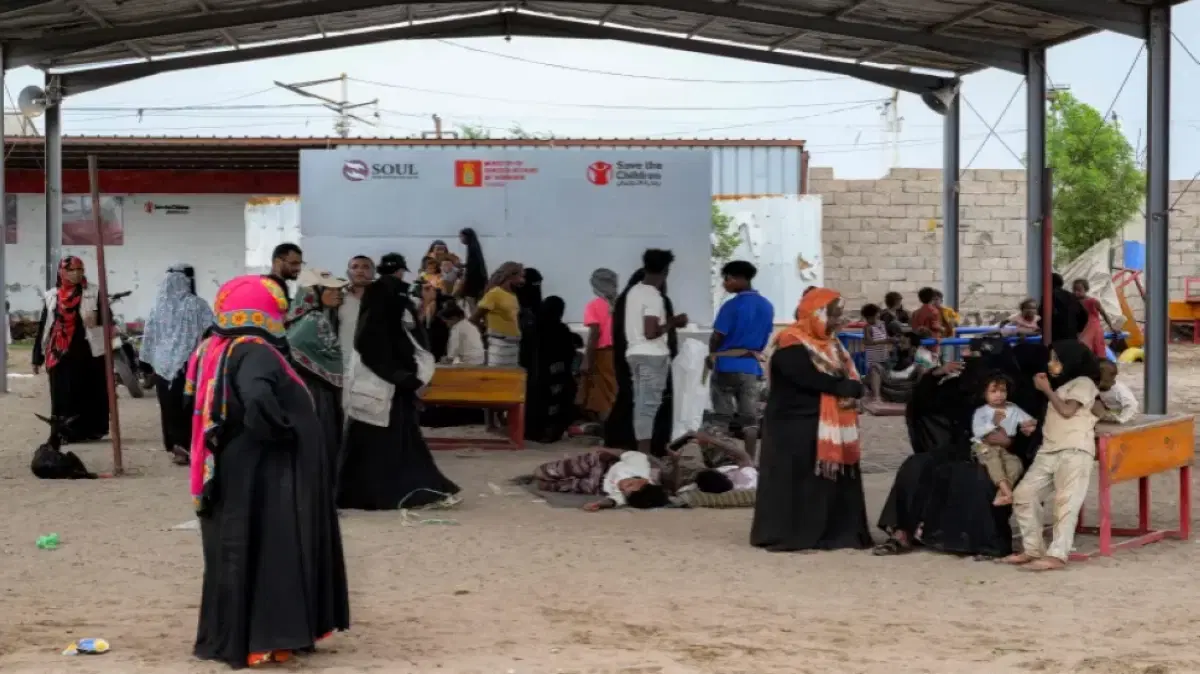
It explained that overcrowding and limited access to safe drinking water and sanitation services in displacement areas are key factors accelerating the spread of epidemics.
As part of the response, the organization provided 59 metric tons of medical supplies worth $650,000, distributed to 40 health facilities in cooperation with the Yemeni Ministry of Health, along with the deployment of 20 mobile medical teams in governorates receiving displaced people.
The organization warned of the depletion of most of its field stocks, noting that only $2 million had been secured out of the $9 million required to implement the response plan.
It issued an urgent appeal to partners and donor countries to provide the necessary funding to continue health care, enhance vaccination campaigns, and improve water and sanitation services to reduce the spread of epidemics.
In this context, the International Organization for Migration announced that the number of internally displaced people in Yemen had risen to 145,000 by Tuesday, an increase of 15,870 displaced people over previous estimates, coinciding with the spread of epidemics, primarily cholera, measles, and dengue fever.