The humanitarian crisis in Yemen worsens as the circle of displacement widens
Agencies3 min read
Share
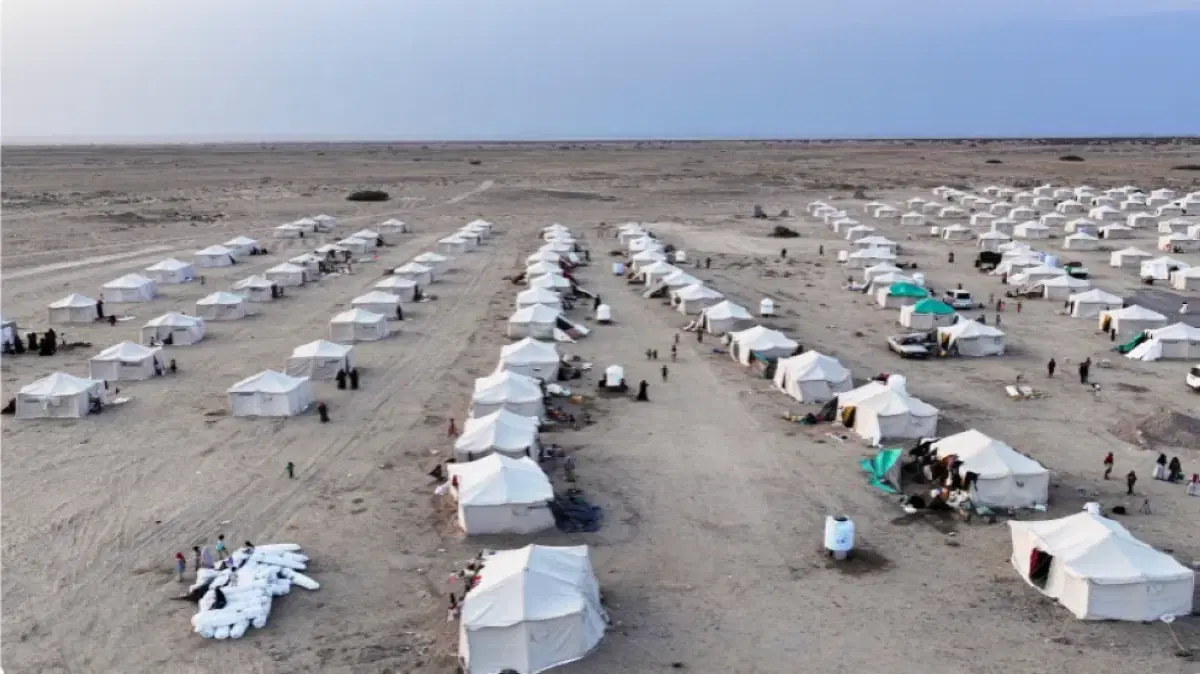
The escalation of fighting on the western coast of Yemen has led to the displacement of nearly 130,000 people within weeks, with the wave of displacement concentrated in the governorates of Taiz, Lahj, Aden, and Al-Hudaydah, while pressure on areas receiving displaced people and basic services is increasing.
The latest data from the International Organization for Migration showed the displacement of 129,438 people, representing 21,573 families, in 7 governorates as of September 20.
Taiz recorded the highest number with 73,494 people, followed by Lahj with 33,828, then Aden with 8,946 and Al-Hudaydah with 8,244, while the remaining numbers were distributed between Abyan, Hadhramaut, and Marib.
The number of displaced people increased by more than 11,000 people within three days, indicating the rapid expansion of the displacement movement as the fighting continues and the front lines change.
The United Nations High Commissioner for Refugees warned of the possibility of an additional 100,000 people being displaced in the next three months if the escalation continues.
The flight movement was not limited to internal displacement, as more than 3,000 people crossed the Red Sea from Yemen to Djibouti, amid expectations of an increase in arrivals as sailing conditions improve.
The wave of displacement comes in a country facing a prolonged humanitarian crisis; 22.3 million people need humanitarian aid and protection during 2026, while 18.3 million people suffer from severe food insecurity.
Yemen's dependence on imports increases the risks of the crisis widening, as it imports about 90% of its food needs.
The World Food Program warned that the continuation of fighting and the disruption of markets and supply routes may make it more difficult for families to access food, while about 2.2 million children under the age of five suffer from severe malnutrition.
The program has escalated its emergency response, having provided food aid to nearly 45,000 people, and is preparing to expand it to include an additional 1.5 million people if the fighting escalates.
However, funding shortages limit the speed of response and may force the program to postpone new aid or redirect its resources from other areas in need of food.
Humanitarian operations have been directly affected by the fighting, as the World Food Program reported that its facilities in Al-Mukalla were raided and access to at least 49 food distribution points was impossible, which limits the ability of organizations to reach families in need of assistance.
The escalation also affected children and basic services; the United Nations Children's Fund (UNICEF) reported the displacement of more than 57,000 children within two weeks, the disruption of services of 26 health facilities supported by the organization, in addition to the closure or suspension of study in 243 schools, affecting more than 137,000 students.
The humanitarian response also faces restrictions in areas under Houthi control, amid UN reports of the detention of UN staff, the raid of UN premises, and the seizure of their assets, which limits the ability of organizations to provide aid to millions in need.
As the fighting continues and the displacement movement widens, the need for food, shelter, health care, and basic services is increasing, while humanitarian organizations face funding shortages and increasing restrictions on access to affected populations.