UN: 125,000 People Displaced in Yemen Since the Beginning of This Month
Agency2 min read
Share
The UN Office for the Coordination of Humanitarian Affairs warned that hostilities are forcing residents to flee their homes, causing injuries among civilians, and putting humanitarian operations - already under tremendous pressure - under further strain.
The office reported that at least 18,000 families – or about 125,000 people – have been displaced since the beginning of this month.
The OCHA office said that civilian casualties are increasing, as the UN Human Rights Office has verified since September 1st to date, 40 civilian casualties, including 8 deaths and 32 injuries, with women and children accounting for half of the deaths and more than half of the injured.
The Humanitarian Affairs Coordination Office confirmed that the UN and its partners continue to respond despite extremely difficult working conditions, noting that they have provided assistance to thousands of families until September 12th. However, it warned that supplies are severely lacking, and funding does not meet existing needs.
It noted that humanitarian access and the movement of humanitarian teams are still severely restricted due to insecurity, as humanitarian movements, whether to multiple locations on Yemen's western coast or within it, remain suspended, while main roads are restricted or impassable.
OCHA renewed its call for all parties to protect civilians, respect international humanitarian law, and facilitate safe and unimpeded access for humanitarian aid to ensure that much-needed assistance reaches communities in need.
Fleeing the Escalation Arrive in Djibouti
UN Deputy Spokesperson Farhan Haq said that UN teams in Djibouti are working closely with the government to respond to the arrival of people fleeing the latest escalation of the conflict in Yemen.
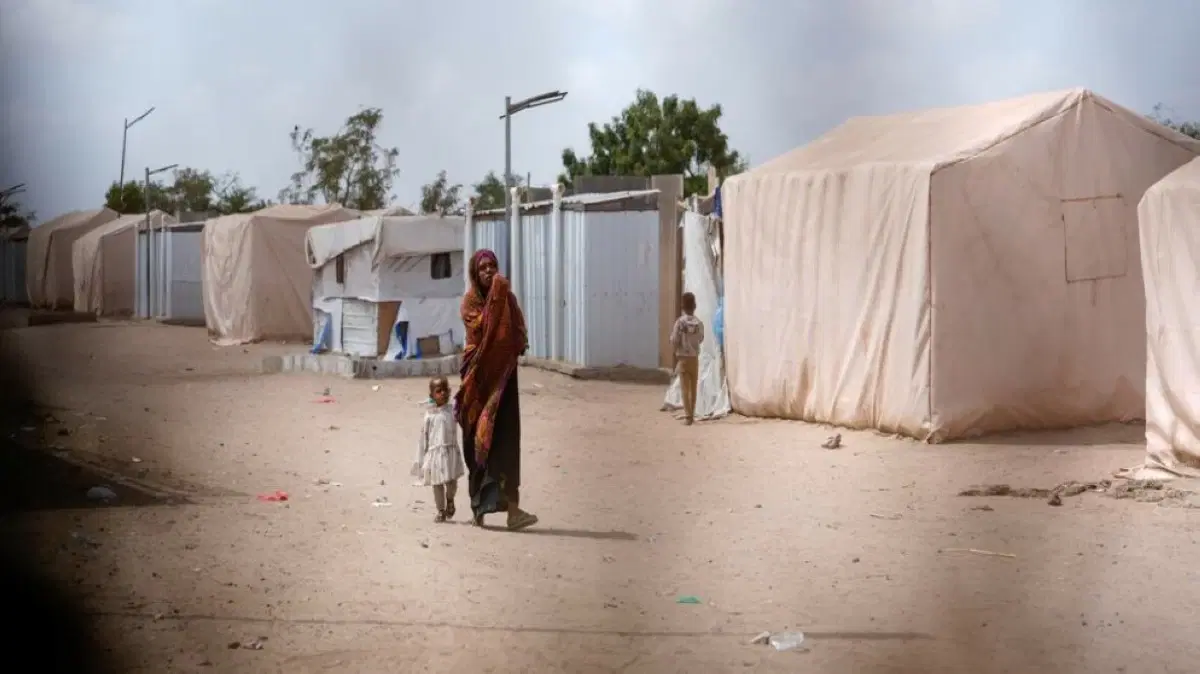
As of Tuesday, nearly 2,300 people have arrived in the Obock region, north of Djibouti on the Red Sea coast opposite Yemen.
Registration operations continue with more people expected to arrive, as new arrivals are being received at a "central" refugee site.
National authorities and UN partners are providing immediate assistance including food, water, shelter, and other essential forms of support.
The UN Resident Coordinator in Djibouti, Jose Barrahona, visited the site last week with representatives from the UN Refugee Agency, the International Organization for Migration, and the World Food Programme, to directly assess the situation and urgent needs.
Haq said that local authorities and humanitarian teams are working around the clock, but available capacities are under great pressure, and there is an urgent need for additional resources as the influx of arrivals continues.