Celebration at Al-Salt Historical Museum on World Tourism Day
Amman4 min read
Share
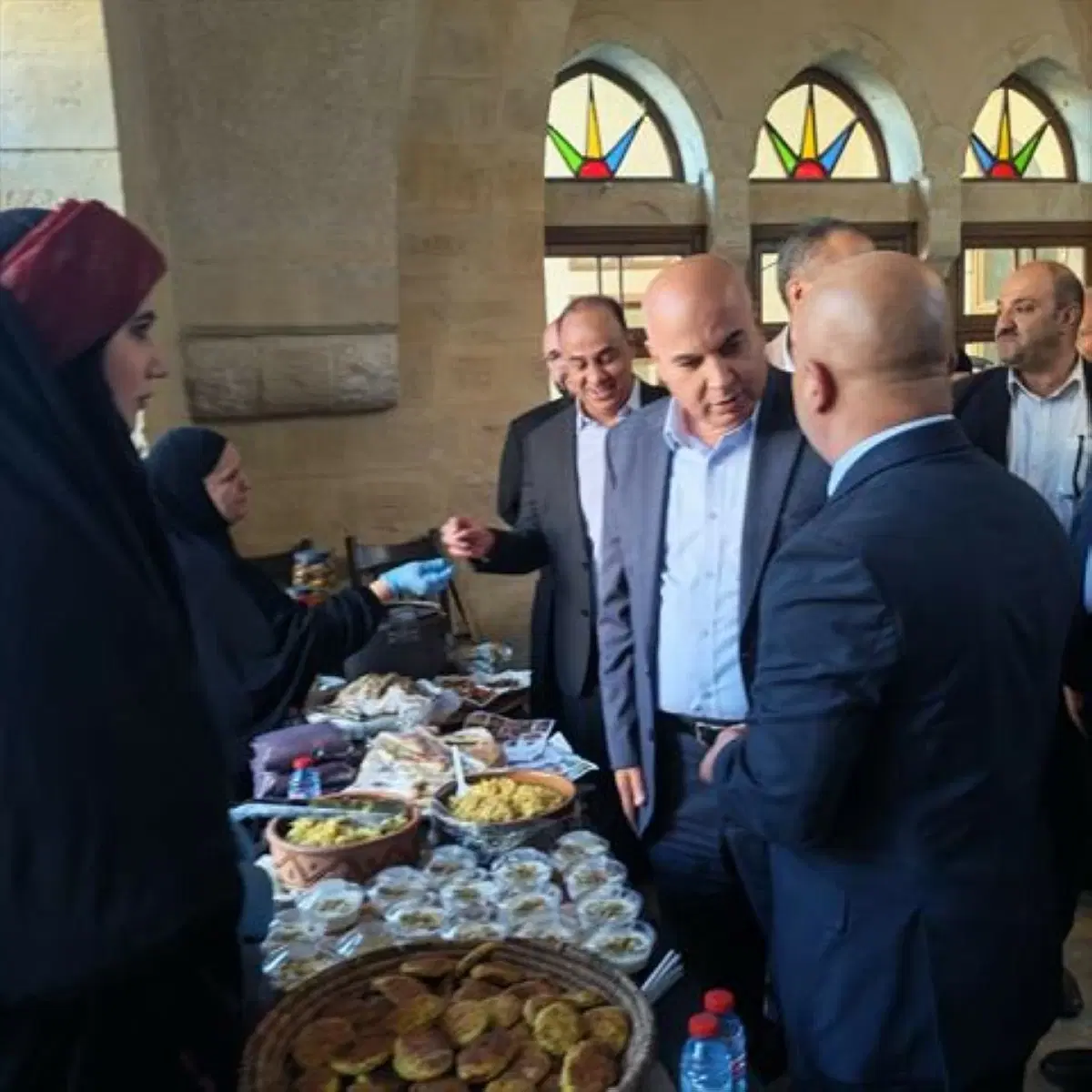
Deputy Governor of Balqa Governorate, Ali Al-Batayneh, sponsored the celebration organized by the Directorate of Tourism on World Tourism Day, which was held at the Al-Salt Historical Museum.
The celebration program included various cultural, heritage, and tourism activities, attended by members of the local community, visitors, and those interested in tourism and heritage affairs.
Al-Batayneh emphasized the importance of these events in highlighting the tourism and heritage assets that Balqa Governorate, particularly the city of Al-Salt, is rich in, and its historical and cultural heritage, which is one of the most prominent elements of tourist attraction. He pointed out the importance of involving the local community in tourism activities and enhancing its role in preserving cultural heritage, crafts, and traditional industries.
In his speech during the celebration, Balqa Governorate Tourism Director Mahmoud Arabiyat confirmed that the celebration of World Tourism Day this year comes under the slogan “Digital Agenda and Artificial Intelligence for Redesigning Tourism,” in light of the rapid transformations taking place in the tourism sector, which have made technology and artificial intelligence an essential part of reshaping the tourist experience.
He explained that technology is no longer just a supporting tool, but has become a factor that redesigns the tourism experience at all its stages, starting from discovering the destination and planning the visit, to arrival, transportation, interaction with the place, and sharing the experience, pointing out that the Ministry of Tourism and Antiquities and the Balqa Governorate Tourism Directorate view digital transformation and artificial intelligence as a bridge between the place and the human, between heritage and the future, and between the visitor and the local community.
He pointed out that the use of technology in the city of Al-Salt should not be limited to applications and screens, but should go beyond that to tell the story of the place, introduce its routes, sites, and experiences of the local community, and provide accurate and available information to visitors, which contributes to enhancing the tourist experience while preserving the spirit, identity, and human memory of the place.
He pointed out that Al-Salt is not just heritage buildings and yellow stone, but a human story based on coexistence, diversity, and fraternity, noting that the modern tourist is looking for a story, experience, and memory, which allows artificial intelligence and interactive digital narrative technologies, smart routes, and multilingual content, to present the story of Al-Salt and Balqa to the world in a modern way, while preserving its originality and uniqueness.
He stressed that redesigning tourism does not mean redesigning the place, but redesigning the way the visitor discovers, understands, and experiences the place, emphasizing that the future of tourism is based on the partnership between human, place, and technology, which enhances sustainable and comprehensive tourism, supports local communities, provides job opportunities, and enhances the status of Al-Salt and Balqa as a tourist, cultural, and humanitarian destination.
He pointed out that technology may be the means to introduce the world to the place, but it is the human values that make this place present in the visitor's memory, stressing the importance of achieving a balance between digital development and preserving identity and heritage.
The celebration included receiving visitors at the Al-Salt Historical Museum and the Al-Salt Visitors Center, in addition to presenting music and folkloric performances, holding a bazaar for handicrafts and traditional industries with the participation of women from the local community, and displaying a number of traditional Salti food products and providing an opportunity for visitors to taste them.
The activities also included a group of interactive and heritage activities, including popular games, traditional crafts, wearing traditional Salti costumes, candle making, paper recycling, in addition to presenting folklore shows that included songs, dabke, and popular music.
The activities also included tours inside the museum and tourist routes to introduce the history of Al-Salt city, its landmarks, and its heritage and tourist sites, allowing visitors to get to know the place through an integrated historical and cultural narrative.
Participants praised the importance of organizing such events that contribute to introducing and highlighting Al-Salt heritage to visitors, and provide a direct space to learn about traditional crafts, traditional industries, and folkloric traditions, stressing the importance of continuing events that combine tourism, culture, heritage, and the local community.
The celebration of World Tourism Day at the Al-Salt Historical Museum confirms the importance of cultural and heritage tourism in the governorate, its role in highlighting the historical and cultural heritage of Al-Salt, supporting local products and crafts, enhancing the participation of the local community, and keeping pace with digital transformation and modern technologies in developing the tourist experience and promoting Jordanian destinations.