Automotive sector expert: Tires and batteries are the most important things to check before winter
Amman5 min read
Share
Automotive expert Mohammad Abu Hamdeh emphasized the importance of conducting periodic vehicle inspections before the onset of winter, stressing the need to ensure the integrity of tires, batteries, wipers, heating systems, and defoggers, regardless of the vehicle type, whether gasoline, hybrid, or electric.
Abu Hamdeh said on Wednesday morning that the advancement of automotive systems does not replace preventive maintenance, noting that the beginning of winter witnesses skidding incidents and traffic problems that require ensuring vehicle readiness to handle weather conditions.
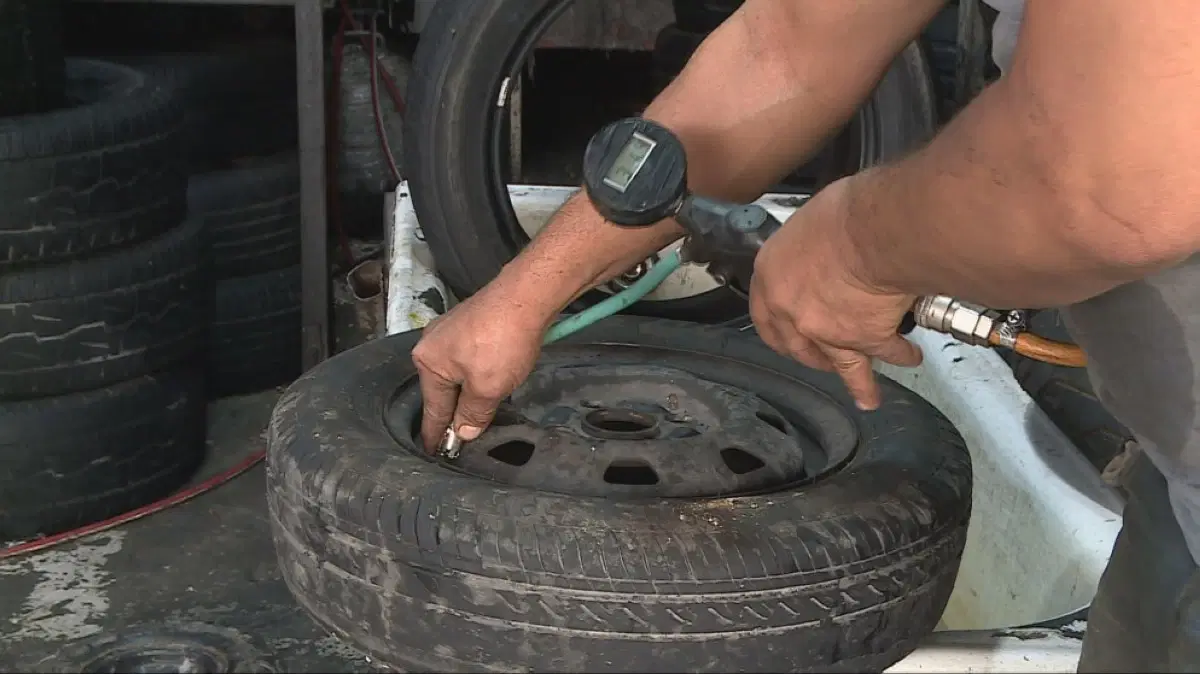
Tire safety
He explained that tires are among the most important safety elements in a vehicle due to their role in achieving road grip and draining water through their grooves, warning that the wear of these grooves reduces the tire's ability to drain water, which increases the risk of skidding.
He stated that the lifespan of a tire is linked to two factors: time and distance traveled, noting that the recommended standard is to replace tires after a maximum of 4 to 5 years, even if they appear to be in good condition, or after covering a distance between 60,000 and 80,000 kilometers, whichever comes first, while taking driving conditions into account.
Abu Hamdeh advised rotating tires periodically, which contributes to distributing wear among them and extending their life, pointing out the importance of observing the rotation direction specified on the tire when changing their positions.
He added that if it is not possible to replace all four tires together for economic reasons, priority should be given to the front tires, as they are subjected to greater loads in many driving conditions.
Battery, wipers, and heating systems
Abu Hamdeh pointed out that a small 12-volt battery is present even in electric vehicles, and its weakness may appear when temperatures drop, which could lead to difficulty in starting the vehicle, calling for it to be checked before winter.
He also stressed the necessity of checking windshield wipers and ensuring their efficiency, explaining that their lifespan is approximately one year, and that the appearance of streaks on the glass or noises during operation are indicators that require their replacement.
He emphasized the importance of ensuring the efficiency of heating and defogging systems, as well as coolants, to ensure clear visibility for the driver and the vehicle's readiness to operate in cold weather.
Electric vehicles and winter driving range
Regarding electric vehicles, Abu Hamdeh said that lower temperatures may lead to a decrease in driving range by about 30%, explaining that a car with a range of about 500 kilometers per charge may see its range drop in winter to about 350-400 kilometers, depending on operational conditions.
He attributed this to the effect of cold weather on chemical reactions inside the battery and the increase in its internal resistance, in addition to the energy consumption of heating and air conditioning systems.
He called on electric vehicle owners to ensure the integrity of the battery and cables located under the vehicle, and to inspect the undercarriage parts that may be damaged as a result of hitting bumps or accidents, to avoid the possibility of water leaking into sensitive parts of the vehicle.
He also emphasized the need to check driver-assistance safety systems, including cameras, radars, and sensors, and to keep them clean of dirt and mud so that their efficiency is not affected or they do not operate incorrectly.
He pointed out that electric vehicles also contain cooling systems for the battery and auxiliary systems, which requires ensuring the integrity of coolants, in addition to checking the 12-volt battery.
Differences between gasoline, hybrid, and electric cars
Abu Hamdeh explained that gasoline-powered cars need to ensure that engine oil is suitable for temperatures and operating conditions, noting that the choice of oil should be based on the manufacturer's specifications and maintenance schedule, not on the oil available at a gas station.
He added that hybrid cars combine a gasoline engine and a main battery, so engine and battery operating systems should be checked, in addition to heating and cooling systems.
Regarding starting the car in the morning in cold weather, he said that modern cars that use oils designed to withstand different temperatures do not need a long warm-up period, explaining that waiting about 10 seconds after starting and then driving off gently, while avoiding heavy acceleration, is sufficient according to him.
As for electric cars, he explained that they do not need to warm up the engine in the way that was followed in traditional cars, noting that some models allow for pre-heating through the car's control systems.
Preventive maintenance every 6 months
Abu Hamdeh called on drivers to adopt preventive maintenance and not wait for the vehicle to break down, explaining that computer systems in cars do not necessarily detect all problems before they develop, including some cases of battery weakness or damage that may affect undercarriage parts.
He emphasized the importance of conducting a periodic vehicle inspection every 6 months and verifying the integrity of basic systems before winter, noting the need to avoid puddles on the streets because of the problems they may cause to vehicles.
He stressed that preparation for winter is not limited to a specific type of car, but includes all vehicles, and that preventive maintenance contributes to maintaining the safety of the vehicle, the driver, and road users.