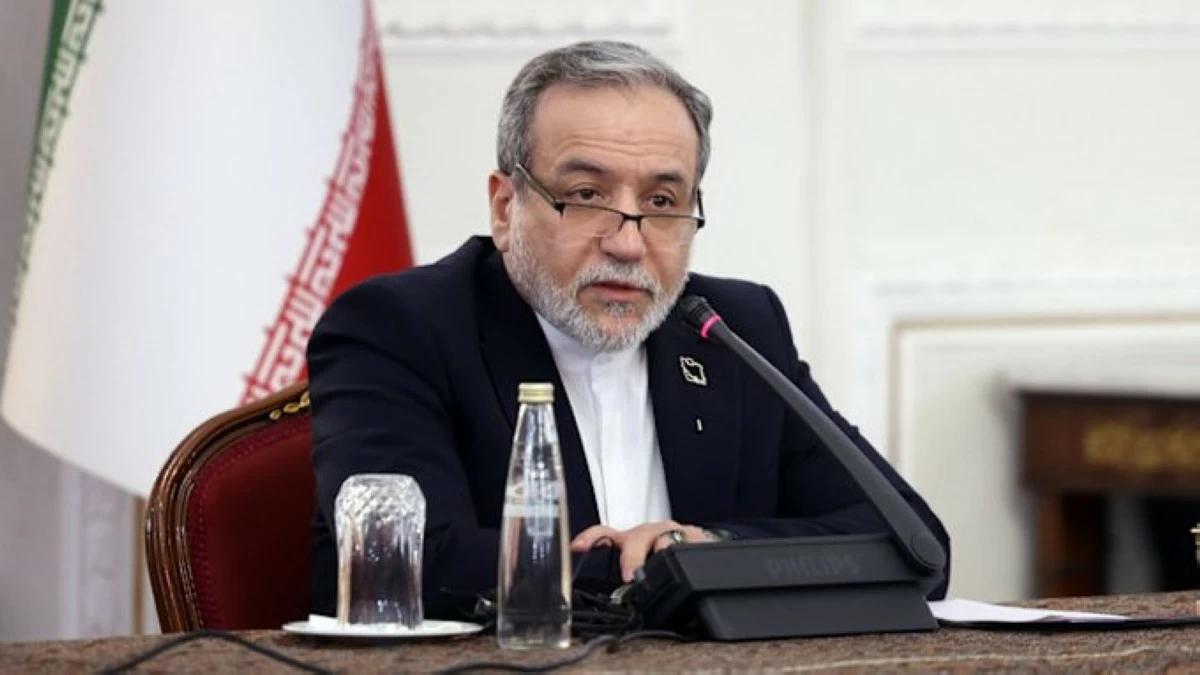
Araghchi said that the diplomatic path will only be possible if the US administration sincerely acknowledges that it has no military options, adding that this "should already be clear after nearly eight months of war, during which none of the publicly declared objectives for attacking Iran have been achieved."
He warned that any further escalation around the Strait of Hormuz or anywhere else in the region would put civilian lives, the well-being of the region's countries, and the global economy at great risk, saying that Iran finds itself once again at a "dangerous crossroads."
Araghchi affirmed his country's readiness to give diplomacy another chance if it sees strong evidence of a genuine American desire to reach a fair and honorable solution that permanently ends the conflict.
Araghchi's remarks come amid stalled diplomatic efforts to end the war between Iran, the United States, and Israel, with ongoing tension over the Strait of Hormuz, which constitutes a vital corridor for global energy supplies. Tehran and Washington exchange accusations regarding responsibility for the escalation, while Iran adheres to its conditions for resuming negotiations, including ending hostilities and lifting the US naval blockade, according to an Iranian seven-day proposal to reopen the strait and resume talks.
Mediation efforts between the two sides continue with the participation of Pakistan and Qatar, at a time when fears are mounting of a renewed military confrontation and its impact on regional security and global energy markets