Al-Zaidi: Coalition Forces' Withdrawal Opens a New Phase Headed by Iraq's Sovereignty
Agencies2 min read
Share
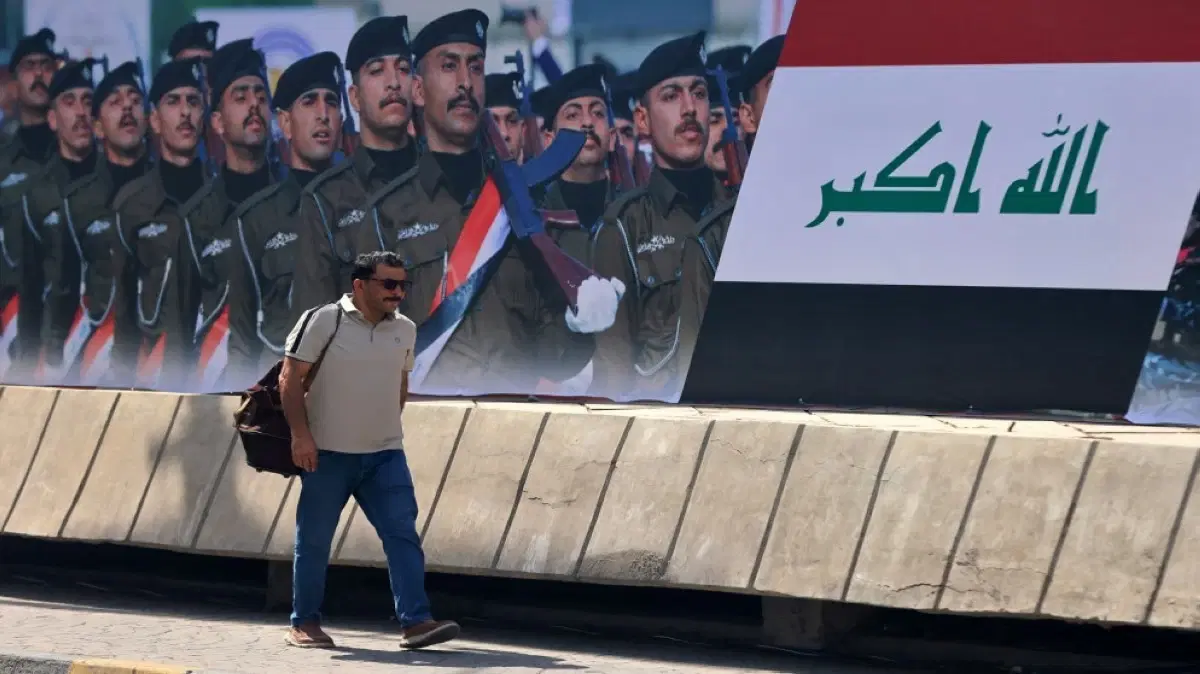
Iraqi Prime Minister Ali Al-Zaidi announced on Wednesday the start of a "new phase headed by sovereignty" of his country, as the mission of the international coalition led by Washington for 12 years to fight the Islamic State ends, affirming continued cooperation with coalition countries.
Al-Zaidi said at a ceremony in Baghdad, "A new phase has begun, headed by Iraq's sovereignty, the strength of its institutions, the readiness of its forces, the unity of its decision, and balanced partnerships with its friends," adding, "Security cooperation will remain an open path with friends from the international coalition and will be more effective and focused."
The international coalition led by the United States deployed forces in Iraq and Syria in 2014 to confront the "Daesh" organization, after the organization took control of large areas of both countries, before declaring its defeat in Iraq in 2017, and losing most of its areas of control in Syria by 2019.
Despite the end of the organization's control over the territories, the coalition continued its presence in Iraq to support Iraqi forces in confronting its remaining cells, before starting a gradual withdrawal under an agreement between Baghdad and Washington in 2024.
By early 2026, the coalition's presence in Iraq was limited to the Kurdistan region in northern the country, before completing the withdrawal on September 30, thus ending the coalition's military mission in Iraq after 12 years since its inception.
Iraqi authorities say their security forces are now capable of facing "Daesh" threats, as Baghdad's relationship with coalition countries transitions from the framework of the international military mission to bilateral security partnerships.
The coalition's presence over the past years has been marked by tension with armed Iraqi factions, which targeted coalition forces with drones and missiles, while U.S. forces responded with strikes on sites belonging to these factions.
The end of the coalition's mission coincides with ongoing discussions in Iraq about limiting weapons to the state, as the presence of foreign forces over the past years has been linked to justifications provided by armed factions to retain their weapons, while government efforts continue to reach an understanding on regulating weapons outside state institutions.