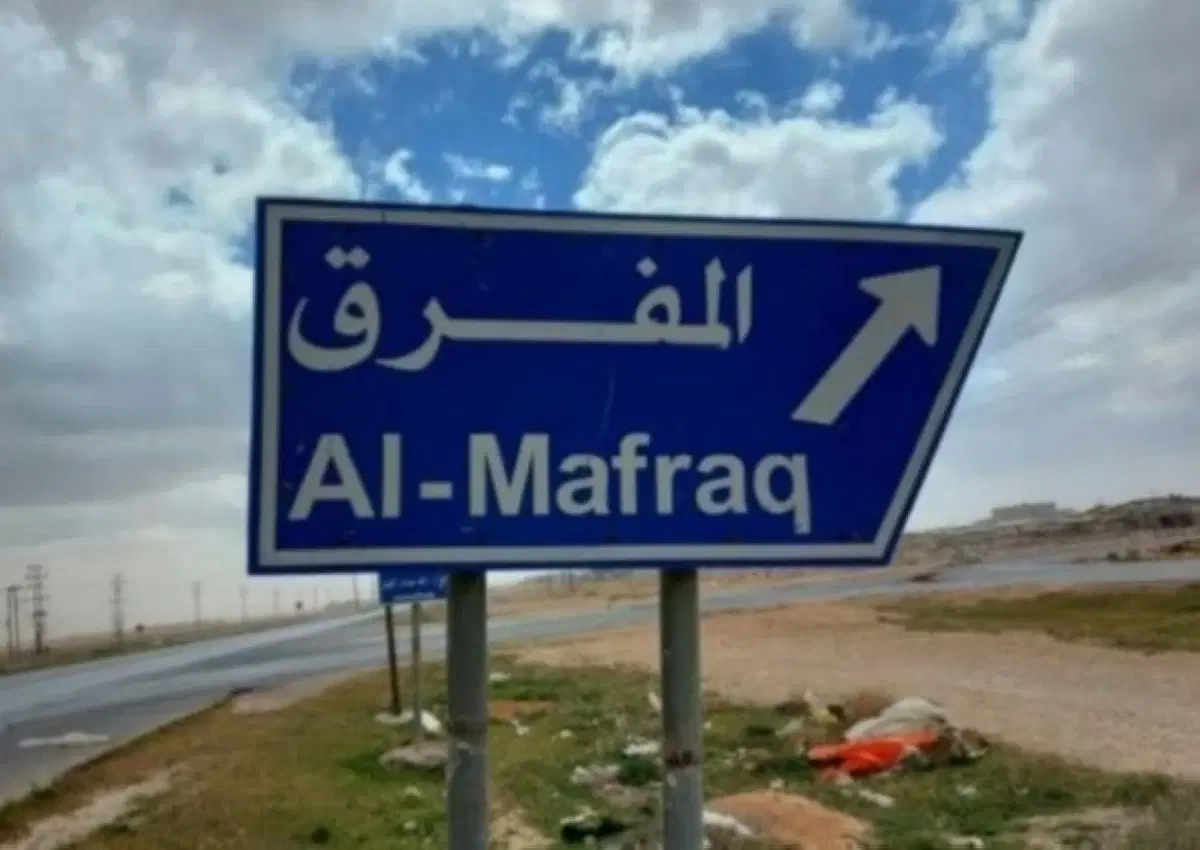
Al-Sarhan pointed out that Mafraq, which historically served as a crossroads and a gateway to the Jordanian Badia, has been associated with the values of shelter, chivalry, and solidarity. He noted that the journey of healing in Jordan is not a recent story, but an extension of a long history of medical expertise and therapeutic knowledge that has evolved through generations.
He reviewed examples of medical heritage in the Badia, including the treatment of fractures with traditional tools and the use of medicinal plants, emphasizing the importance of studying this heritage scientifically and distinguishing between what can be utilized and the risks that may arise, away from mockery or unexamined acceptance of folk practices.
He addressed the stages of development of the Jordanian health sector, noting the limited number of medical personnel in the early days of the state's establishment, when the number of doctors in Transjordan did not exceed 28 by 1926, before health services expanded and medical institutions advanced, leading to qualitative achievements in kidney and heart transplants and the development of hospitals and specialized centers.
He highlighted the experience of establishing the An-Noor Sanatorium for chest diseases in Mafraq in 1965, and the role of American physician Eleanor Soltau and Australian nurse Eileen Coleman in combating tuberculosis, considering that this experience embodies the importance of trust between the community and healthcare providers, and that sincere humanitarian work forms the basis for the success of medical services.
He also pointed to the pressures faced by health facilities in Mafraq following the influx of Syrian refugees and the opening of the Zaatari camp in 2012, and the accompanying significant increase in the number of residents and patients, confirming that the governorate provided a model in shelter and humanitarian response, despite the challenges faced by its health institutions.
In the context of his talk about the future of Jordanian medicine, Al-Sarhan expressed his pride in Jordanian medical competencies that have achieved an advanced presence in international medical institutions and centers, emphasizing the importance of creating conditions that encourage doctors to return to Jordan and transfer their expertise to its health institutions.
He stressed that medical conferences should go beyond exchanging talks and recommendations to launching joint research, building partnerships between hospitals and universities, and providing training opportunities for young doctors, which would positively reflect on the quality of healthcare.
Al-Sarhan concluded his speech by affirming that Mafraq is capable of contributing to shaping the future of Jordanian medicine, calling on doctors and researchers to combine scientific excellence with human compassion, and emphasizing that science makes a skilled doctor, while compassion makes an unforgettable one.