The Director of the Aqaba Governorate Agriculture Directorate, Engineer Thaer Al-Rawajfeh, told Alrai that the Al-Quwayra District includes more than 20 agricultural companies and farms, whose activities extend from Umm al-Basatin to Al-Ghal and Sahl al-Sawan, reflecting the diversity of agricultural activity and increasing investment opportunities in the region.
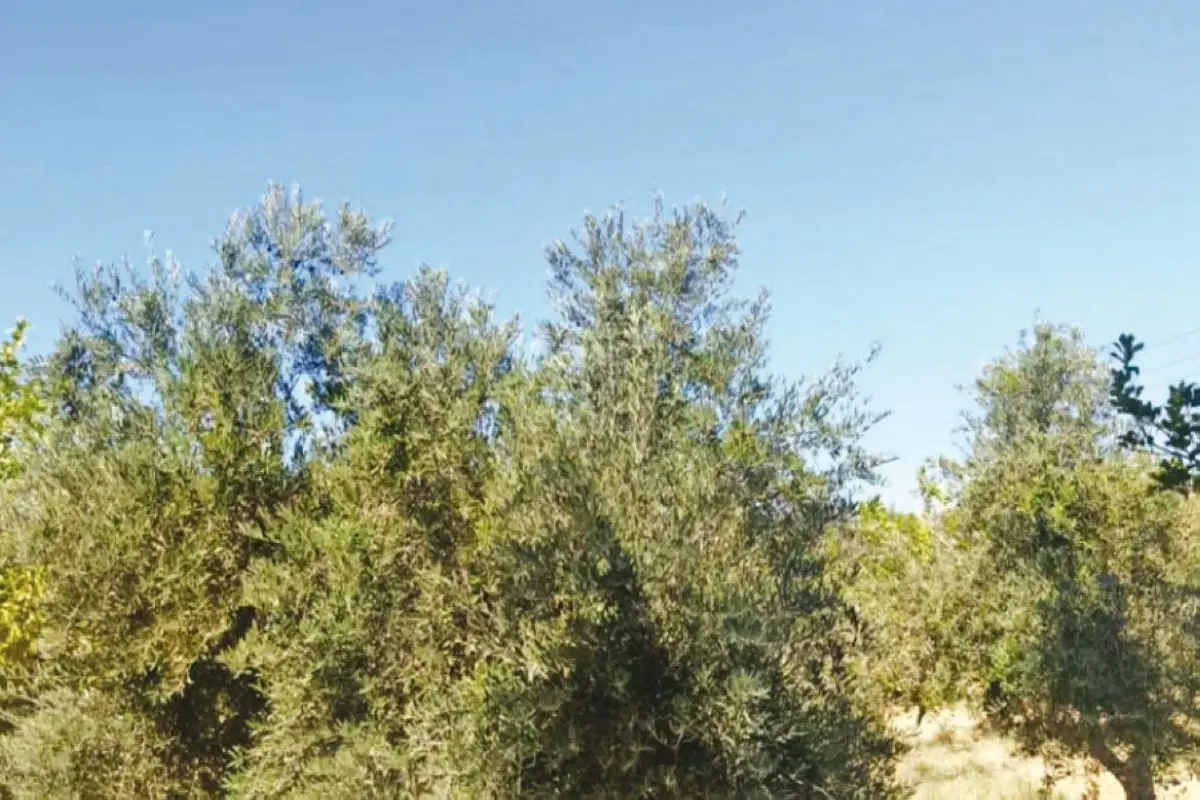
He explained that the areas planted with olives exceed 4,850 dunums, while the area of palm trees is about 1,757 dunums, and fruit trees, including citrus, stone fruits, figs, grapes, and guavas, cover about 4,000 dunums. The area of seasonal vegetables is about 7,410 dunums for the summer season and 2,000 dunums for the winter season, including tomatoes, potatoes, onions, watermelons, garlic, and beans.
Al-Rawajfeh pointed to the success of the apple cultivation experiment at the Rum Company farms, which opens the way for studying the possibility of expanding the cultivation of new varieties that are compatible with local climatic conditions, noting the trend to plant about 20,000 olive seedlings on an area of 500 dunums at the company's farms, which enhances the agricultural area and raises future production capacity.
He stressed the importance of subjecting agricultural expansion to technical and economic studies that take into account the nature of the soil, climatic conditions, and water needs, to ensure the sustainability of projects and achieve profitable returns.
Regarding the 2026–2027 olive season, Al-Rawajfeh indicated that initial estimates point to an expected production of about 1,200 tons of olives, including 100 tons for pickling and 1,100 tons for pressing and olive oil production.
The district includes two olive presses; the first belongs to the Al-Hussein Cooperative Society, with a production capacity of 1.5 tons per hour, and the second is the modern Al-Quwayra Municipal Press, with a capacity ranging between 2.5 and 3 tons per hour.
He added that the staff of the Plant Wealth Department monitor the readiness of the presses and the workflow within them, and verify compliance with technical and health requirements and public safety standards, in addition to preparing statistics on olive and oil production, to preserve product quality and the accuracy of agricultural data.
Within the framework of crop protection, the Agriculture Directorate carries out field and preventive campaigns to monitor agricultural pests, primarily the olive fruit fly, the red palm weevil, and the fruit fly, due to the threat they pose to fruit trees and production quality.
Al-Rawajfeh explained that control efforts include distributing food and yellow sticky and pheromone traps to monitor the olive fruit fly, using specialized traps to detect the red palm weevil, in addition to early detection of infestations and treating trees according to approved technical recommendations.
Procedures continue to include monitoring pests that affect citrus and fruit trees and implementing control campaigns when necessary, in parallel with raising awareness about the importance of prevention.
Al-Rawajfeh stressed the need for farmers to cooperate with agricultural staff and report any infestations early, to limit the spread of pests and reduce losses, confirming that protecting crops and raising production efficiency represent two fundamental pillars for the sustainability of agricultural activity and enhancing its investment opportunities in the Al-Quwayra District.