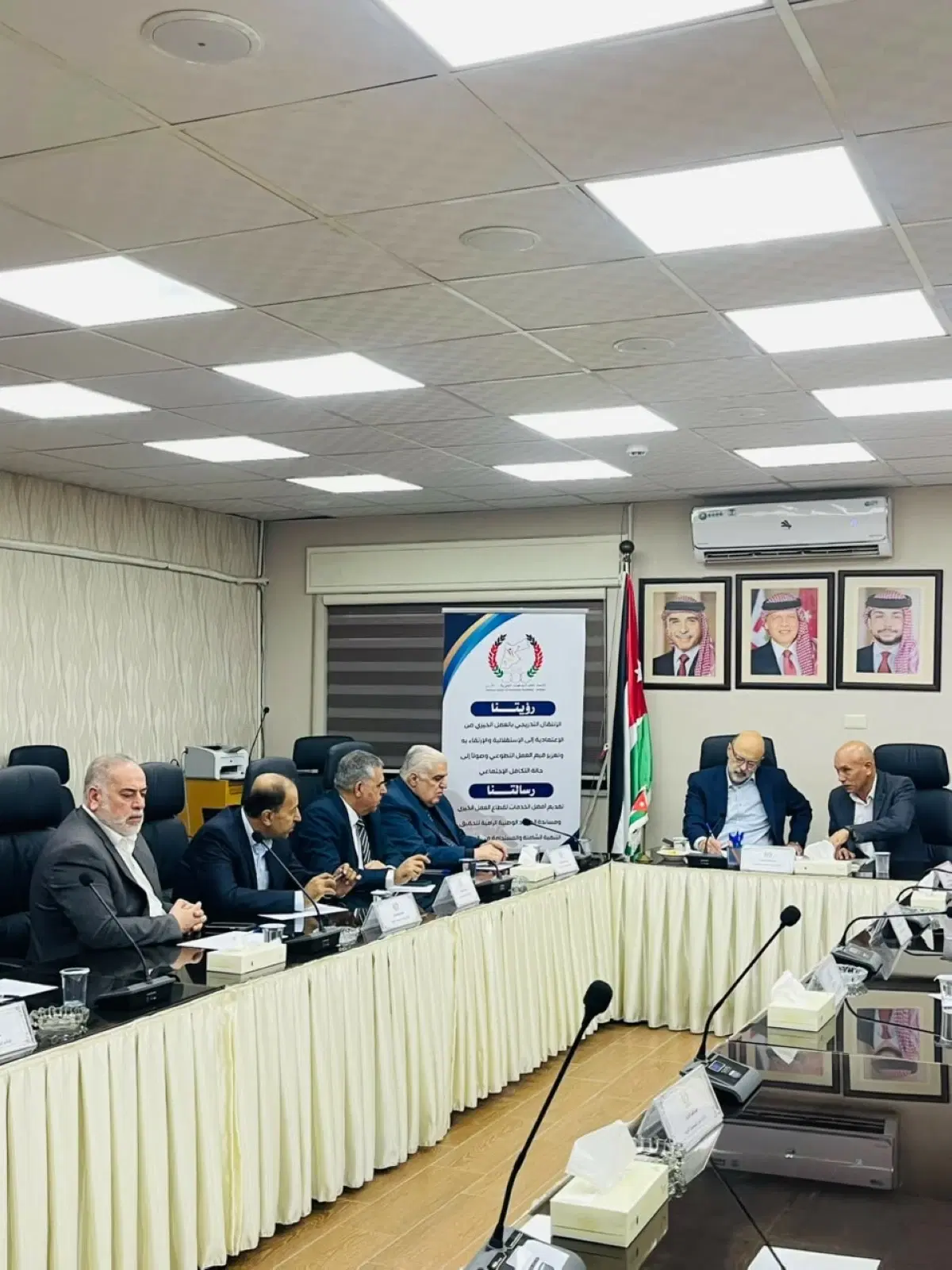
During his meeting with a delegation from the Southeast Amman Military Retirees Forum
Al-Issawi: The King places the security and dignity of Jordanians at the forefront of his priorities.. and their safety is a red line
Follow Al Rai

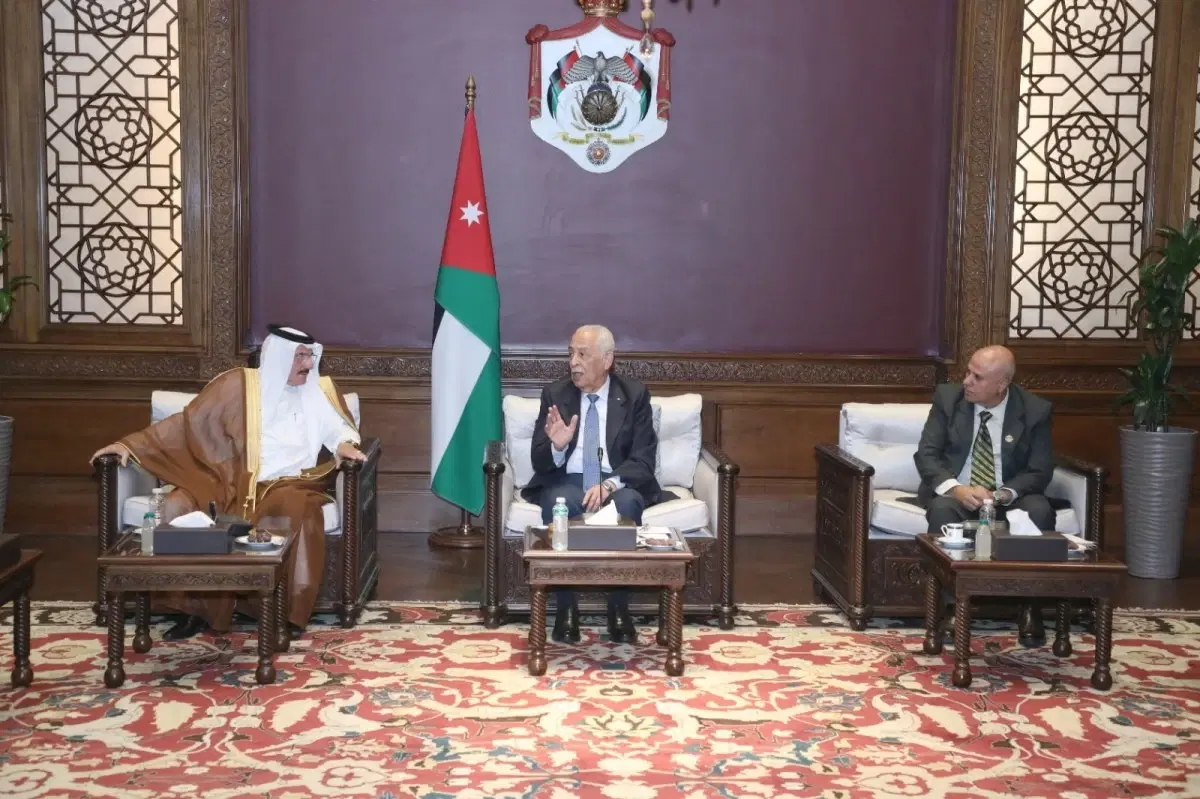
During his meeting with a delegation from the Southeast Amman Military Retirees Forum
Al-Issawi: The King places the security and dignity of Jordanians at the forefront of his priorities.. and their safety is a red line
Al-Issawi: The Crown Prince translates the royal vision into action and places youth at the heart of shaping the future
Speakers: With the wisdom of our Hashemite leadership and our unity, Jordan grows stronger and more resilient
Speakers: The King's stances are a firm testament to his steadfast approach in protecting the security and stability of the nation
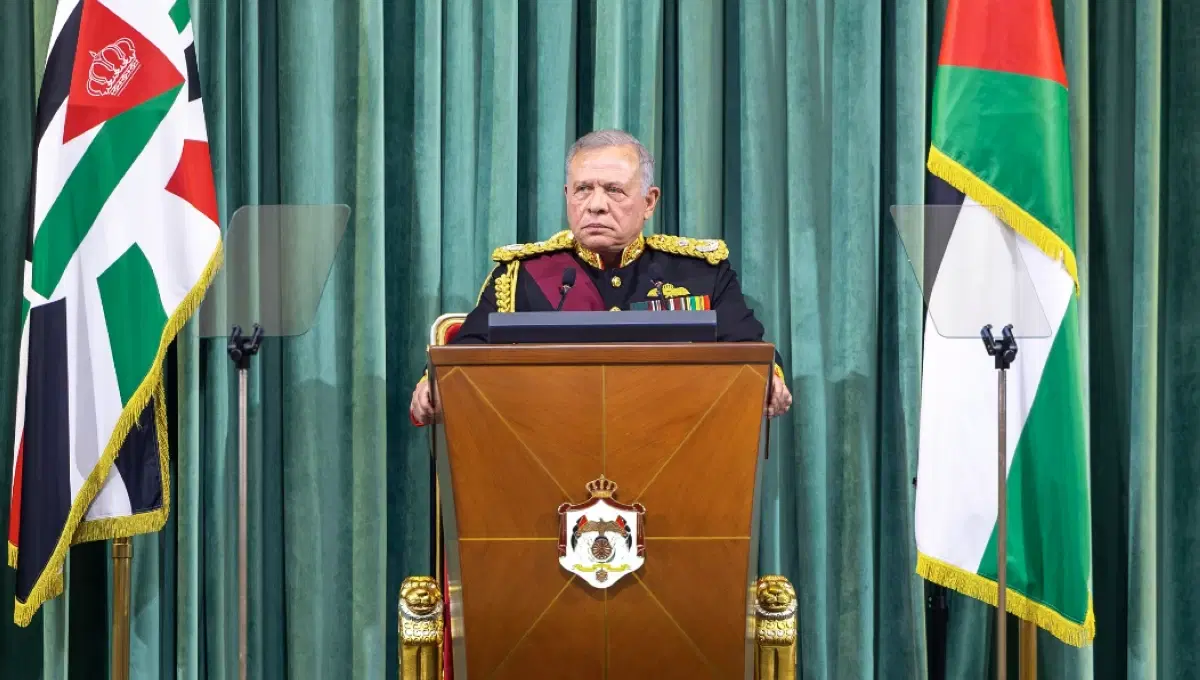
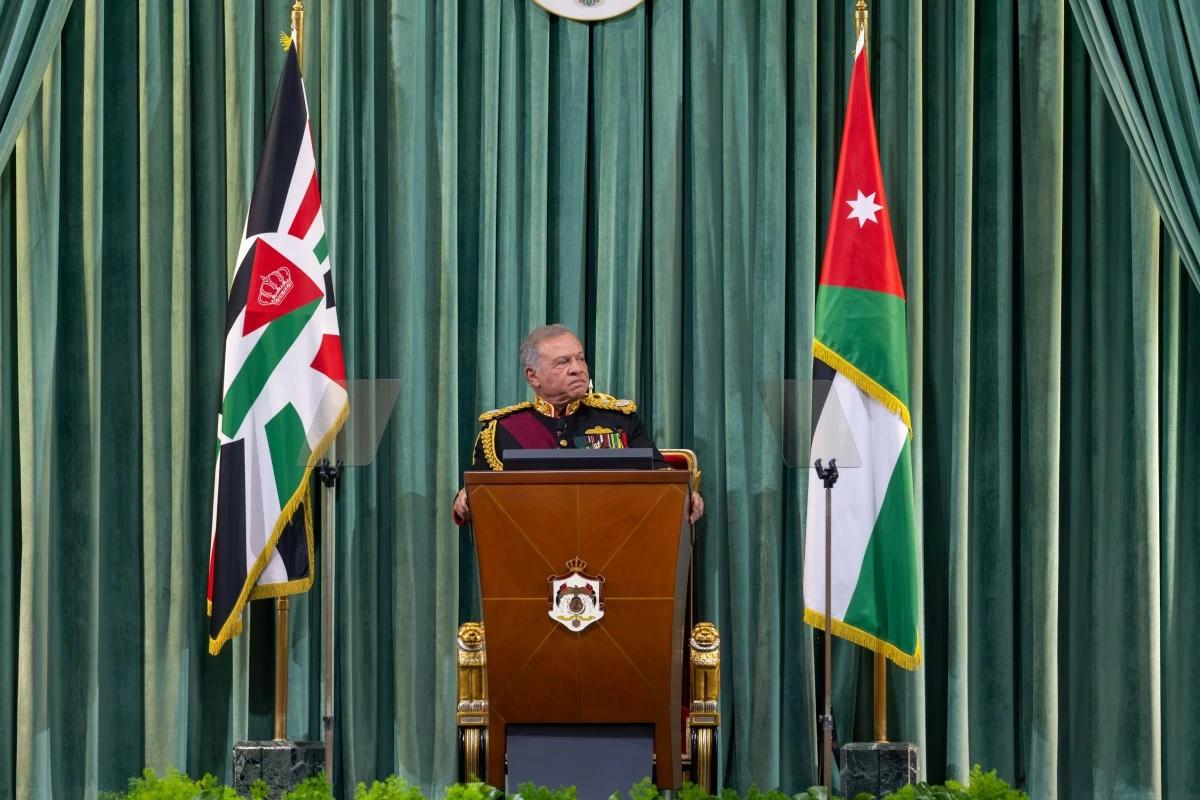
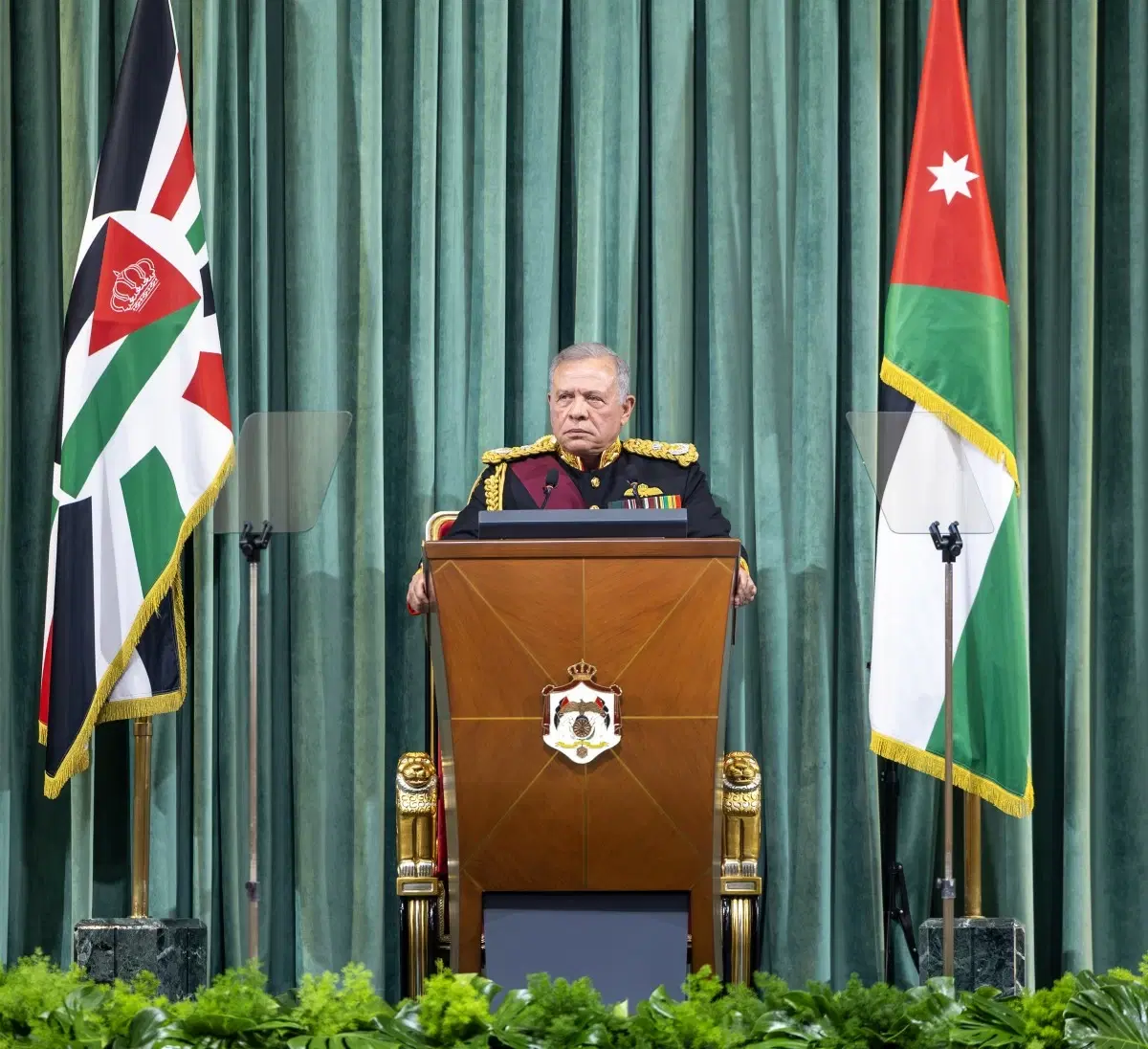
The Chief of the Royal Hashemite Court, Yousef Hassan Al-Issawi, affirmed that His Majesty King Abdullah II places the security, safety, and dignity of Jordanians at the forefront of his priorities, stemming from a firm Hashemite approach that makes the Jordanian individual the focus and goal of the royal vision, and translates concern for citizens into humanitarian stances, directives, and continuous field follow-up under various circumstances.
Al-Issawi said, during his meeting today, Saturday, at the Royal Hashemite Court with a delegation from the Southeast Amman Military Retirees Forum, that the Jordanian path, under the leadership of His Majesty the King and His Royal Highness Crown Prince Al-Hussein bin Abdullah II, is based on a comprehensive national vision that has made the security and stability of the homeland, improving the standard of living for citizens, and enhancing development and modernization tracks, fundamental priorities, ensuring that the fruits of achievement reach various governorates, cities, deserts, rural areas, and camps, and achieving balanced development that reflects its effects on the lives of citizens.
Al-Issawi pointed out that His Royal Highness the Crown Prince translates the King’s visions and directives into continuous field efforts that drive the process of modernization and construction, through his direct communication with the people of the homeland, and his keenness to unleash the energies of youth, invest in their capabilities and creativity, and empower them to possess the tools of the future.
He confirmed that His Majesty the King’s interest in his people is manifested in his humanitarian stances, his direct follow-up on the conditions of citizens, sharing their concerns and aspirations, and standing by them in the most difficult circumstances, in a practical embodiment of a Hashemite approach based on being close to the people, safeguarding their dignity, and enhancing their security and peace of mind.
In this context, Al-Issawi reviewed the royal and humanitarian stances that followed the treacherous terrorist attack witnessed by Karak Governorate recently, affirming that they clearly reflected the depth of the relationship between His Majesty the King and his people, and embodied that the lives, safety, and dignity of Jordanians are a top national responsibility that does not accept complacency or delay.
He pointed out that His Majesty the King’s presence in the field, his inspection of the injured, his reassurance regarding their health conditions, his follow-up on the level of medical care provided to them, and his directives to continue taking care of them, embodied a leadership approach that makes the safety and care of the citizen a priority that takes precedence over every other consideration.
He added that His Majesty the King’s visit to the families of the martyrs to offer condolences and sympathy carried deep humanitarian and national connotations, and confirmed that the affliction of any Jordanian family is an affliction for the entire nation, and that the Hashemite leadership is present alongside its people in times of tribulation and hardship, just as it is present with them in the journey of building, work, and achievement.
He pointed out that these humanitarian meanings were also manifested in the follow-up and interest of His Royal Highness the Crown Prince, and his visit to offer condolences and sympathy to the families of the martyrs, in addition to the visit of Her Majesty Queen Rania Al Abdullah, accompanied by Her Royal Highness Princess Salma bint Abdullah II and Her Royal Highness Princess Rajwa Al Hussein, in a scene that reflected the depth of the humanitarian values upon which the Hashemite approach is based, and the Hashemite family’s keenness to share the sorrows of Jordanians and stand by them.
Al-Issawi stressed that the stance of the Jordanian state, led by His Majesty the King, regarding the terrorist attack was decisive and clear: that the security and safety of Jordanians is a red line, and that Jordan will remain strong and impregnable in the face of every attempt to tamper with its security and stability or assault the lives of its citizens.
He explained that this stance was embodied in the speed and efficiency of the security services in dealing with the attack and apprehending those suspected of being involved in it in record time.
Al-Issawi indicated that the stances embodied by Jordanians in the wake of the Karak events presented a bright image of the authenticity of Jordanian society and the depth of the bonds that bring its people together, as their feelings and stances were united, and they flocked from various regions of the Kingdom to console the families of the martyrs and stand by the injured and their families, in a sincere expression of the spirit of one Jordanian family that shares pain just as it shares hope, responsibility, and the future.
He affirmed that this societal solidarity and national cohesion showed that what brings Jordanians together is stronger than attempts at division, and that true citizenship is embodied in the partnership of rights and duties, unity of fate and responsibility, and the ability to turn tribulations into stances that strengthen the cohesion of society and its confidence in itself and its institutions.
For their part, the speakers affirmed that the unity of Jordanians and the cohesion of their internal front constitute the basis of the nation’s strength and resilience, stressing their standing as one rank behind their Hashemite leadership in facing challenges, and that attempts to sow division will not undermine their unity and will to protect the security and stability of their homeland.
They valued the relentless royal follow-up in the wake of the terrorist attack witnessed by Karak Governorate, confirming that His Majesty the King’s stances embodied his keenness to protect the security and stability of the nation, safeguard national unity, and ward off strife, emphasizing that difficult situations increase Jordanians’ strength and cohesion.
They expressed their pride in the Jordanian Armed Forces - the Arab Army and the security services, and their capabilities and efforts in protecting the nation and confronting terrorism, affirming that the wisdom of the Hashemite leadership, the awareness of the citizens, and the solidity of state institutions enhance Jordan’s ability to face challenges in a turbulent regional environment.
They stressed that military retirees continue to perform their national duty and place their expertise and energies in the service of Jordan, as houses of expertise and a supporter of the armed forces and security services in their sites and regions, confirming their constant readiness to answer the call of the nation and continue the path of construction under the leadership of His Majesty the King and His Royal Highness the Crown Prince.
They affirmed that protecting the intellectual security of youth and confronting takfiri and terrorist ideas is a shared responsibility, calling for concerted efforts, enhancing awareness, rejecting division, and fighting rumors, noting that terrorism transcends borders and targets minds, which requires continuous awareness-raising work that immunizes children from its risks.
They praised the contents of His Majesty the King’s speech before the United Nations General Assembly, and the strength and clarity it exhibited in expressing Jordanian constants and Arab and Islamic issues, and defending right and justice, confirming their pride in Jordan’s message and its humanitarian stances.
They pointed to the forum’s role in enhancing community participation through seminars that dealt with citizenship, the Jordanian constitution, and the Jordanian narrative, and lectures to raise awareness about the dangers of drugs, cybercrime, and domestic violence, in addition to the move to organize meetings on countering extremist ideology, with the participation of specialists from military retirees and universities.
Know more about this story?Send us a tip
Ask about this report — answers stay grounded in its text.