Al-Alimi confirms continued work to extend state sovereignty over all national territory
Agencies3 min read
Share
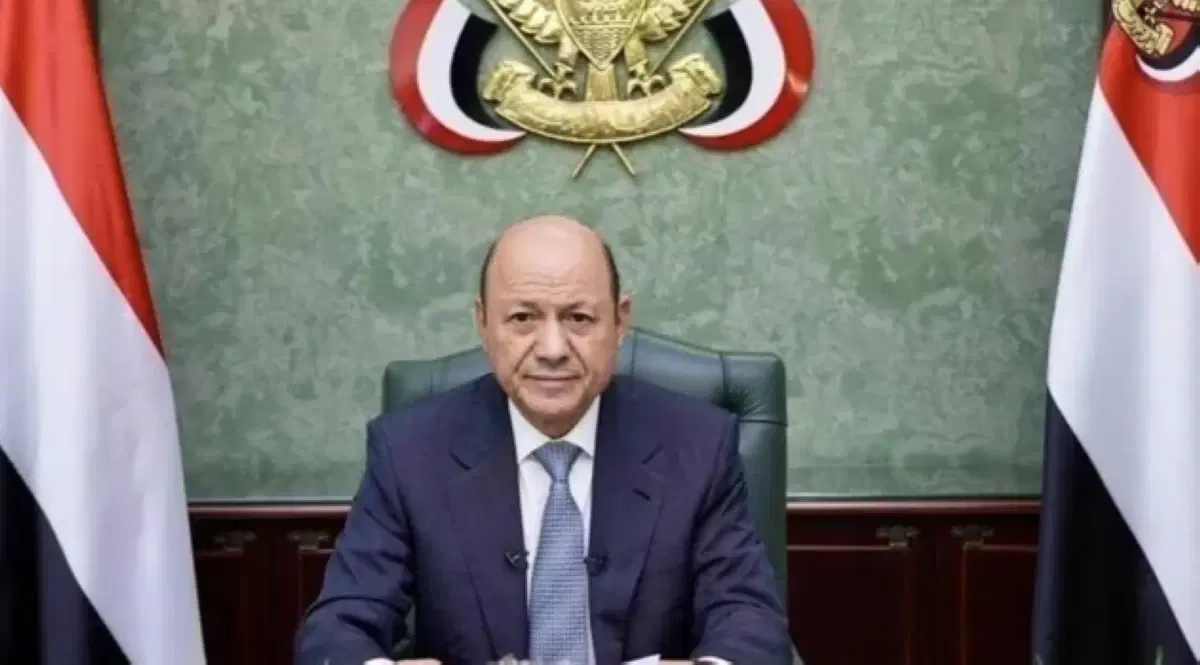
Chairman of the Yemeni Presidential Leadership Council, Rashad Al-Alimi, stressed on Sunday that the state's compass will remain clear and steady towards restoring its institutions and extending its sovereignty over the entire national territory.
This came during communications Al-Alimi held with a number of members of the Presidential Leadership Council, Prime Minister Shayea Al-Zindani, the commander of the Fourth Military Region, and several governors and military leaders, to review the latest field, security, service, and humanitarian developments.
Al-Alimi stated that "the course of major national battles is not determined by a temporary change in one of the confrontation lines," confirming that any incidental field developments "will not change this fact or diminish the ability of the Yemeni people and their armed forces" to restore state institutions.
He pointed out that the course of the battle is determined by "the firmness of will, unity of purpose and decision, and the ability to learn from challenges and turn them into opportunities to build more strength and cohesion and regain the initiative."
He praised the operations carried out by government forces in the governorates of Marib, Al-Jawf, Taiz, Al-Bayda, and Al-Dhale, and various combat fronts, as well as the efforts of the air force and drones in supporting ground forces and targeting Houthi military capabilities.
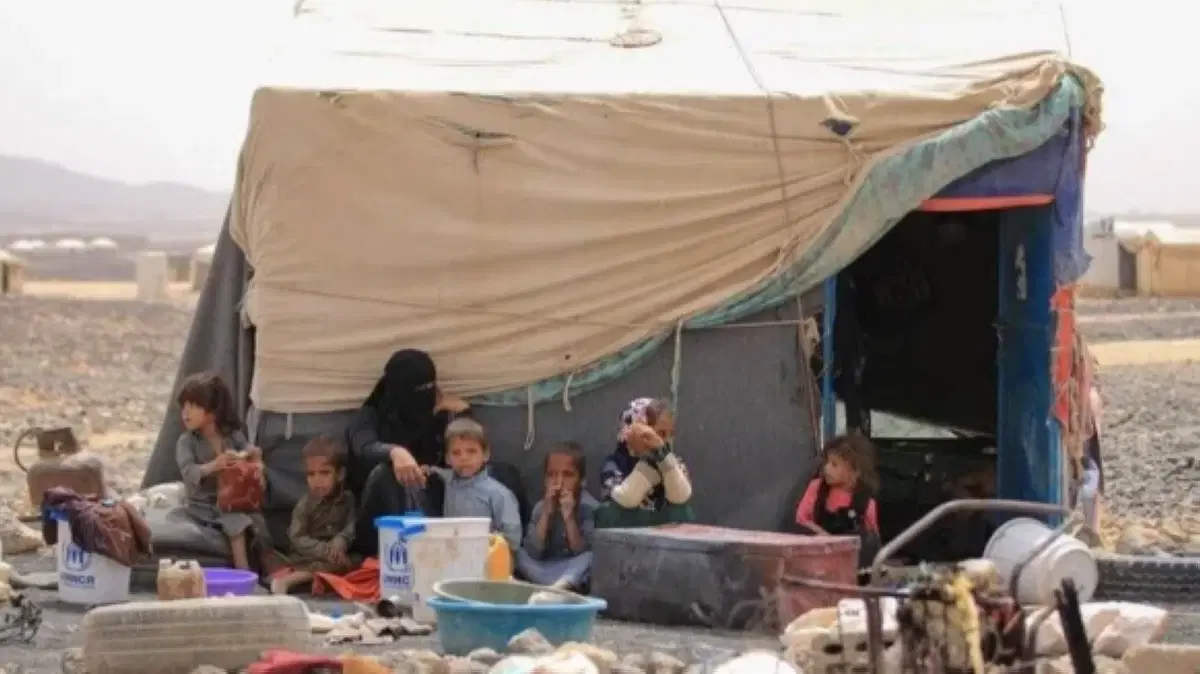
He also commended the efforts of local authorities in receiving and sheltering families displaced from conflict zones, directing the government and local authorities to continue humanitarian response, ensure the regularity of services, pay state employee salaries, and secure basic needs for citizens.
Al-Alimi stressed that the strength of the state lies in "the integration of its military, security, political, economic, and service fronts."
The map of control in Yemen has witnessed significant changes in recent days, as the Houthis announced control over several districts in the governorates of Hodeidah and Taiz in the West Coast region, in addition to islands in the Red Sea, including Mayun Island located in the Bab al-Mandab Strait, which effectively means control over the strait, one of the most important maritime passages in the world.
In contrast, Yemeni government forces announced progress in Al-Jawf governorate, which borders Saudi Arabia, and approaching the city of Al-Hazm, the governorate's center.
They also reported launching airstrikes on Houthi targets in Mocha and its surroundings, and areas in the governorates of Taiz, Lahj, and Al-Dhale, stating that they destroyed military vehicles and weapons, in addition to repelling a major attack on Marib.
Confrontations between government forces and the Houthis have escalated since the beginning of July 2026, after years of relative calm.
Yemen has been witnessing a war since the Houthis took control of the capital, Sanaa, and several governorates in September 2014, before an Arab coalition led by Saudi Arabia intervened in March 2015 in support of the internationally recognized Yemeni government.