Yemeni Escalation Approaches Bab el-Mandeb.. Repercussions Beyond the Boundaries of War
Amman6 min read
Share
Yemen is heading toward a new round of escalation as the Houthis advance along the western coast and reach areas close to the Bab el-Mandeb strait, in a development that transcends the boundaries of internal confrontation, given the strategic importance of the maritime corridor and the reflections of these developments on international navigation, trade, energy, and regional security.
Yemeni government sources reported that the Houthis expanded their deployment from the city of Mocha toward Bab el-Mandeb, at a time when a government official spoke of completing control over the strait area and Mayun Island, in addition to Greater and Lesser Hanish, while witnesses reported the deployment of Houthi gunmen on the shores of Bab el-Mandeb.
This coincided with a sudden withdrawal of more than 30,000 fighters from the joint forces from positions on the western coast, allowing the Houthis to advance across vast areas without major confrontations.
The withdrawal raised questions about its reasons, amid the absence of a comprehensive official explanation for the nature of what happened.
Bab el-Mandeb.. An Importance Beyond Yemen
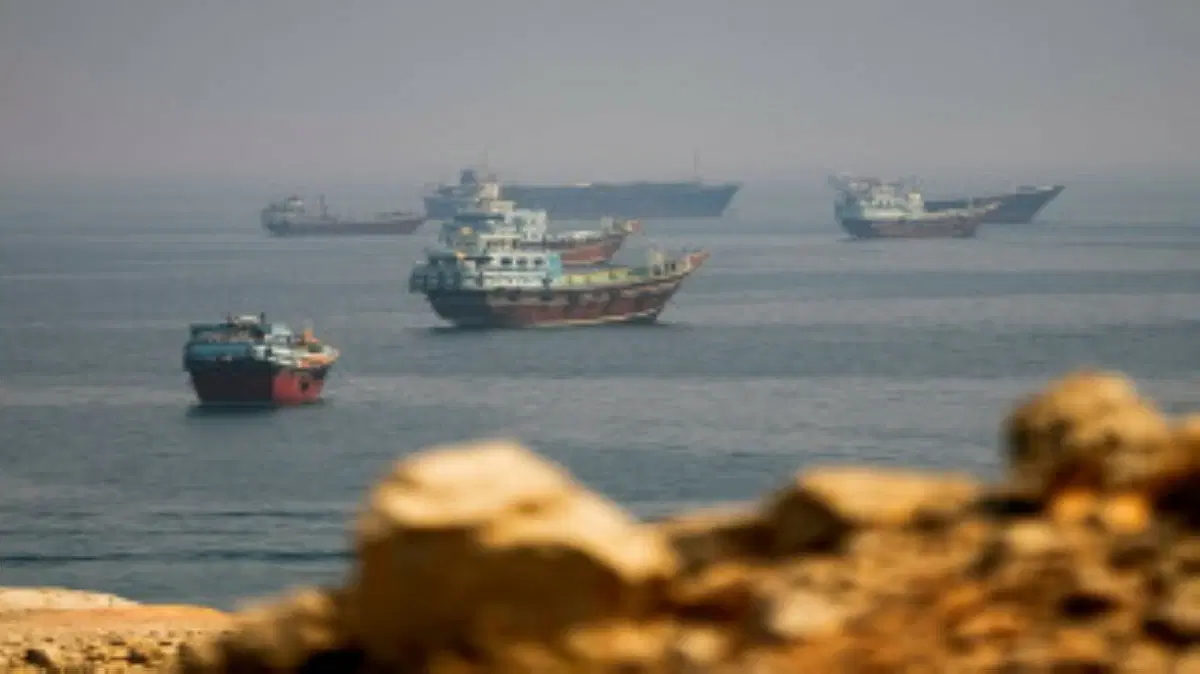
The developments gain their importance from the location of Bab el-Mandeb, which connects the Red Sea to the Gulf of Aden and the Indian Ocean, and is considered a major corridor for trade movement and energy supplies between Asia and Europe.
The proximity of fighting to the strait means that any disruption in the region may not remain confined within Yemen, but could reflect on vessel movement, transport and insurance costs, and supply chains, especially if the coastal areas and nearby islands turn into military sites used to threaten navigation.
The sensitivity of the scene increases with the escalation of tension in the Strait of Hormuz, making any simultaneous disruption in Bab el-Mandeb and other energy routes an additional factor of pressure on global markets.
Oil and Markets Face a New Test
The concerns were reflected in energy markets, as the price of Brent crude and West Texas Intermediate crossed the $100 per barrel mark, amid expanding geopolitical risks threatening oil transport routes.
The economic impact is not linked to crude prices alone, as the continuation of tension could lead to higher shipping and insurance costs, and the redirection of some vessels to longer routes, thereby raising the cost of transporting goods and putting pressure on trade movement through the Red Sea.
These developments hold special importance for countries that rely on maritime corridors to secure their exports and imports, making the stability of Bab el-Mandeb a regional and international interest that transcends the parties to the Yemeni conflict.
Regional Attacks and Escalation Containment
Parallel to the Yemeni developments, the East-West pipeline in Saudi Arabia was targeted by drone aircraft that Riyadh said came from Iraq, resulting in injuries and damage, before the pipeline was preemptively shut down.
Saudi Arabia condemned the attack, but chose not to respond at this stage in response to a request by the Iraqi government to give it an opportunity to take measures to prevent attacks launched from Iraqi territory, in a move reflecting an attempt to contain the escalation and not expand its regional scope.
Baghdad condemned the attacks and opened an investigation into their circumstances, while these developments remain part of a broader regional scene in which tensions in Yemen and the Red Sea intertwine with energy security and navigation.
The Regional Dimension
The Houthi expansion toward Bab el-Mandeb raises fears that the western coast will turn into a more influential point in Red Sea security, especially with estimates linking the group to Iran and its military and political support for it.
Some reports related to the nature of Iranian support for the recent operations remain within the scope of estimates and information attributed to sources, and are not sufficient on their own to determine the details of the Iranian role in the recent field movement.
In contrast, the United States announced its commitment to defending navigation in the Red Sea and confronting what it described as aggression by Iran and its proxies, stressing continued communication with its allies and partners in the region regarding Yemeni developments.
An Expanding Humanitarian Crisis
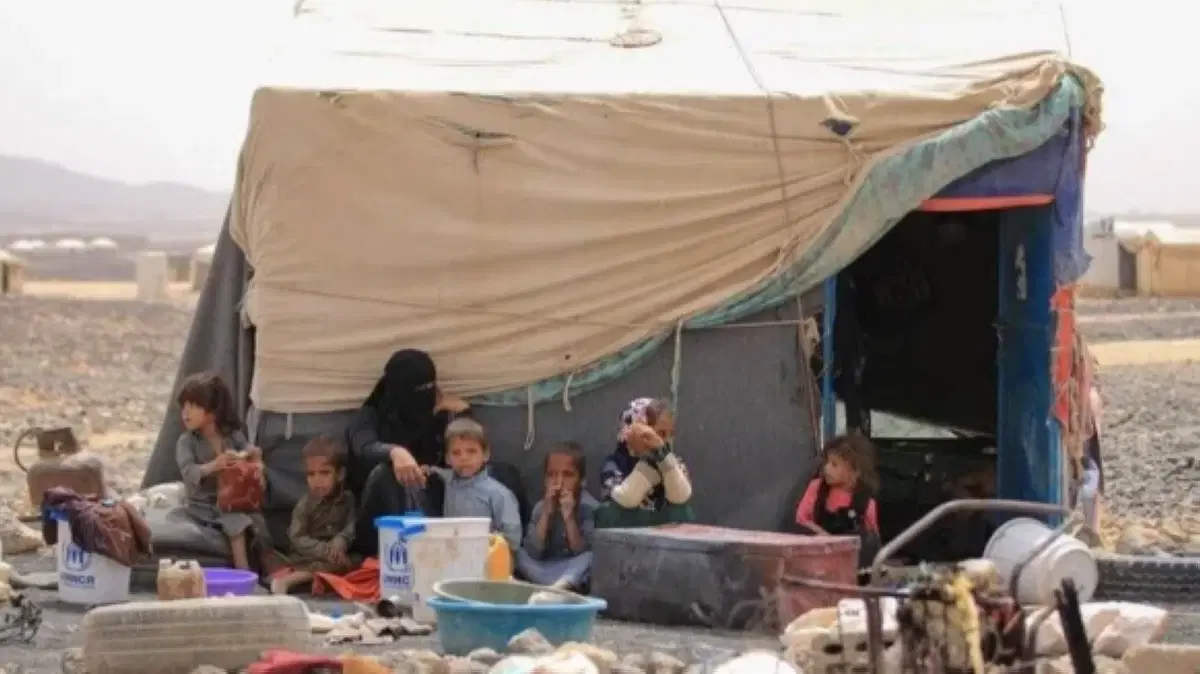
The repercussions of the escalation do not stop at the military and economic sides, as recent battles have led to a wave of widespread displacement.
The International Organization for Migration announced the displacement of about 46,000 people since the renewal of fighting, while the organization previously spoke of the displacement of about 20,000.
The battles since last week have resulted in the deaths of more than 500 people, mostly fighters, according to a toll compiled from various sources, while displaced families face a shortage of shelter and basic supplies.
These developments show the extent of the fragility of the humanitarian situation in Yemen, where 22.3 million people need humanitarian aid during 2026, while the number of internally displaced persons stands at about 5.2 million.
International Warnings and an Obscure Political Path
The UN Security Council discussed the recent developments, and the UN Special Envoy for Yemen Hans Grundberg called for active engagement to prevent the country from sliding into a more dangerous conflict.
This comes at a time when opportunities to contain the escalation seem linked to the ability of the Yemeni parties to halt military expansion and return to the political track, while the continuation of fighting could open new fronts and increase humanitarian and economic pressures.
What After Bab el-Mandeb?
The Yemeni scene faces several possibilities; the first is the success of government forces in reorganizing their ranks and launching a counterattack to recover the areas they lost, the second is the continuation of the Houthis in cementing their presence on the coast and islands near Bab el-Mandeb, and the third is the expansion of the scope of fighting to other fronts.
However, the most sensitive factor remains the future of Bab el-Mandeb. The closer military operations get to international shipping lanes, the higher the probabilities of the Yemeni crisis turning into an issue of regional and international security, with all the risks it carries for trade, energy, and stability in the region.
Thus, the battle of the western coast does not appear to be merely a shift in the control map inside Yemen, but rather a new test of the ability of regional and international parties to prevent the disruption of one of the most important maritime corridors in the world, and to prevent the escalation from spilling over from the Yemeni arena to a broader scope.