The Trump administration wishes to support Tel Aviv with weapons without restrictions
Data reported by American and Israeli media outlets early this week regarding the approval by US President Donald Trump's administration to sell Israel a $2.8 billion arms package reveals the continuation of the American arming approach toward Israel, at a time when the Israeli military establishment is preparing for the possibilities of a broad, multi-front confrontation.
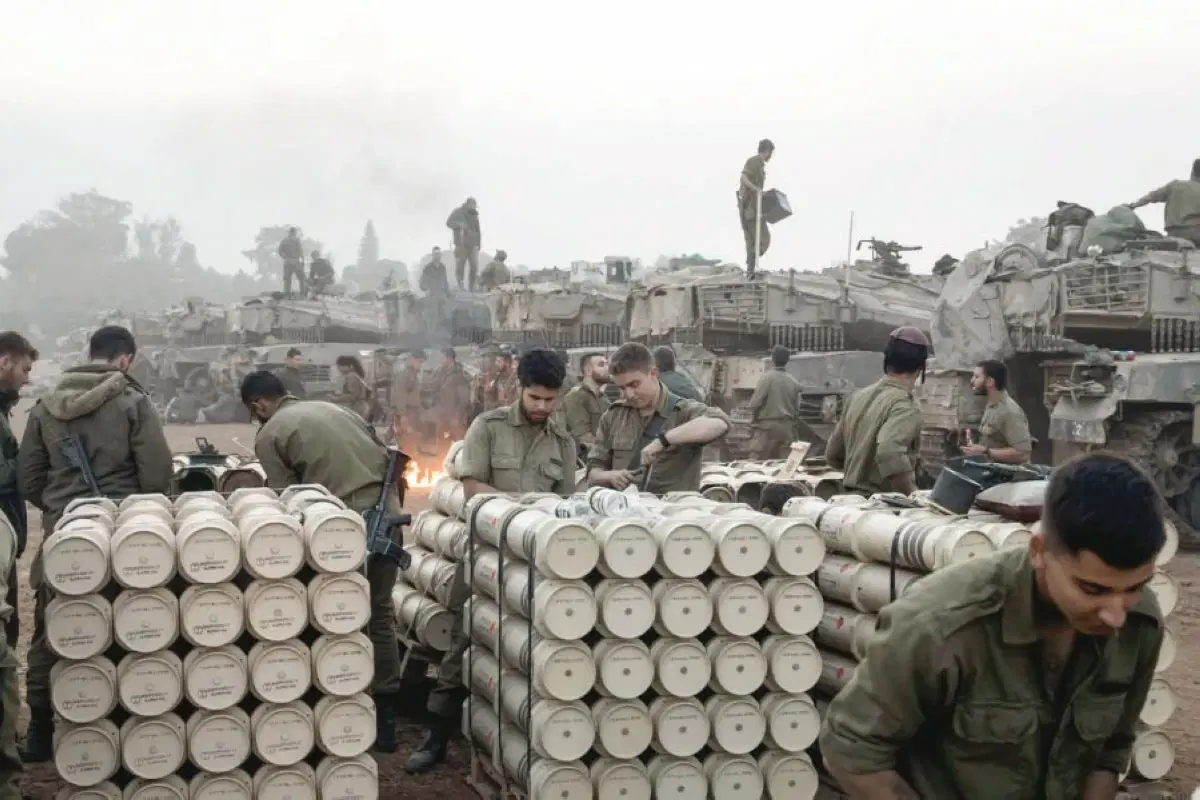
The package includes tens of thousands of bombs and warheads, some weighing a ton and designed to penetrate fortifications, at a time when Israeli military and intelligence sources say that current production rates are insufficient to meet the Israeli army's needs for heavy munitions and to replenish its stockpiles, which has prompted Israel to request more munitions from the United States.
The newspaper "Haaretz–TheMarker," in a report prepared by Hagai Amit, quoted an informed source as saying that the production rate at the "Ramat Hoviv" facility does not meet Israeli military needs, explaining that in wartime, the Israeli Air Force could drop about 1,200 "air-to-ground" bombs of this type daily, while production capacity is far below this level.
He also pointed out that importing the metals necessary to produce these bombs in large quantities represents a complex challenge.
These developments come within the framework of Israeli preparations to continue the war on more than one front, including the Gaza Strip, Lebanon, Iran, and Syria, while the speed of the American move, according to sources cited by the newspaper, reflects the Trump administration's desire to show that it is providing Israel with the weapons and munitions it needs without restrictions.
Conversely, concerns are growing within American arms companies regarding the political repercussions resulting from the continued sale of munitions to Israel, especially in light of the escalating controversy over what is described as "collateral damage" resulting from Israeli military operations in the Gaza Strip.
According to the sources, a high-ranking Israeli official involved in the procurement of equipment and munitions from the United States was surprised that the discussion about the repercussions of the war in Gaza had reached one of the American companies producing equipment that the Israeli army cooperates with.
The official said that one of his American friends addressed him by saying: "Look at the state of Gaza," adding that the Americans "understand our needs, but the situation does not look good, and they are facing great difficulty in dealing with it; in fact, they know it is an abnormal situation."
The official noted that some guidance systems whose purchase from the United States was delayed are necessary to reduce the damage inflicted on civilians during military operations.
However, the current American approval of the arms deal does not carry, according to Israeli source estimates, immediate operational importance, as years may pass before the supply process is completed, starting from Congressional approval to the approval of the Israeli Ministerial Committee for Armament Affairs.
In addition, Israel does not currently have, according to the sources, a clear financial source to fund all the arms requests that the US administration is preparing to sell.
Senior American sources confirmed that the munitions the US administration seeks to sell to Israel will be funded by American taxpayers' money, but the funds of the current US aid agreement to Israel, which ends in 2028, are already allocated for massive purchase orders, most of which are for the benefit of the Israeli Air Force.
In the event that Congress approves the American move and Israel submits a purchase request for the munitions, funding them would require, according to the data presented, resorting to the Israeli defense budget, an option that sources rule out in light of the financial crisis facing the security establishment.
This will not be the first time that Israel has relied on American aid to fund its military purchases; "TheMarker–Haaretz" reported that over the past three years, Israel has purchased weapons and munitions from the United States worth between $2 billion and $3 billion annually, and these purchases were funded by American aid provided during the war.
In the same context, a source said that the security establishment and the Ministry of Defense are disputing an amount reaching 25 billion shekels, which the Israeli army still needs to cover its defense expenses and military needs, including needs related to European countries and sensitive military sectors in anticipation of a future confrontation.
The list of weapons that the United States has already agreed to sell to Israel, according to military and intelligence sources, includes 12 "Apache" helicopters, six "CH-53K Sikorsky" helicopters, refueling aircraft, in addition to "JDAM" heavy bomb guidance systems, which the Israeli army is seeking to obtain.
Attention is currently turning to the ongoing talks of the joint Israeli–American committee in Washington regarding the next aid agreement.
Israel is represented in these talks by the Director-General of the Ministry of Defense, Eyal Zamir, and its ambassador in Washington, Yechiel Leiter, while the United States is represented by US State Department advisor Daniel Holer and its ambassador to Israel, Mike Huckabee.
Within the framework of the current aid agreement, the United States provided Israel with aircraft, helicopters, weapons systems, and munitions worth $38 billion over ten years.
Contrary to what Israeli Prime Minister Benjamin Netanyahu seeks to market regarding reducing Israel's reliance on American aid, the ongoing negotiations are not actually about ending aid completely, as the American side assumes, according to the sources, that Israel will continue to receive a certain level of support over the coming years.
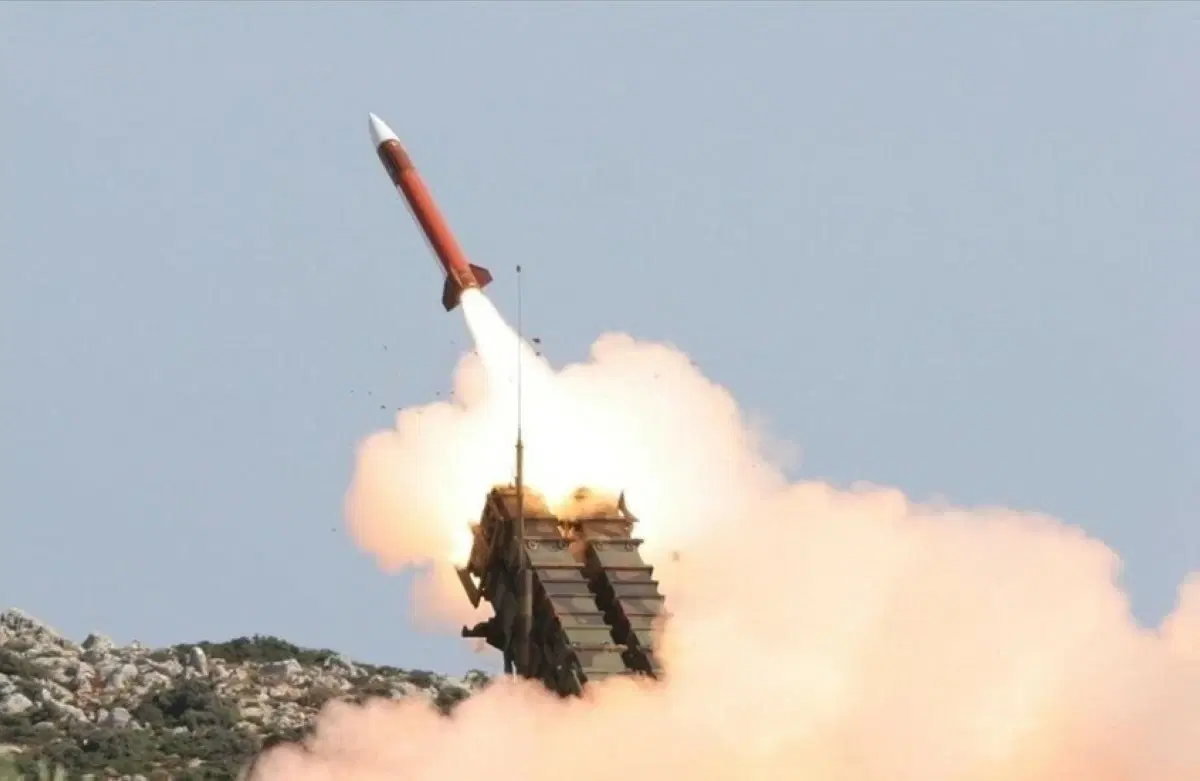
An informed military source explained that the Americans "know that Israel will not be able to survive for a long time without a memorandum of understanding or an aid agreement," adding: "We in Israel do not have the economic capacity, and everyone knows that... and they are now looking for a justification to maintain the aid, and perhaps that will be through joint air defense programs."
The source added that Washington might move, instead of sharing investments in these programs with Israel, to bear their full cost, within the framework of reformulating American military aid to suit Israeli and American needs.
The concerned parties are awaiting the results of the upcoming Israeli elections to know the identity of the leadership that will manage this file and negotiate the new aid agreement.
The sources said that Israel needs a clear negotiating leadership that demands billions of dollars over the next six years, on the basis that the level of aid would be reduced later.
According to the sources, Netanyahu and Trump have constrained themselves with political statements and positions regarding the future of American aid, which has reflected, in their words, on the Israeli security establishment, which finds itself facing a state of uncertainty regarding the future of funding and arming, at a time when Israel is preparing for scenarios of a broad, multi-front military confrontation.