New US sanctions target energy, defense, and the "shadow fleet"
Amman5 min read
Share
Air defense deal for Ukraine worth $2.68 billion
US President Donald Trump signed a bill authorizing new sanctions against Russia due to the continuation of its war in Ukraine, following a congressional approval that had been delayed for more than a year.
Washington is seeking to revive negotiations to end the conflict, despite being largely preoccupied with the war against Iran, which is also draining part of its ammunition, while Russia intensifies its attacks on Ukraine.
The legislation passed by Congress targets Russia's energy and defense sectors, in addition to individuals and senior officials, led by President Vladimir Putin.
It is the first major step by Congress toward Russia since Trump assumed his second term.
It also targets what is known as the "shadow fleet," the oil tankers used by Russia to circumvent Western sanctions.
The legislation grants Trump the authority to impose tariffs of up to 100 percent on major buyers of Russian oil and gas, which could include China and India.
The bill also targets foreign companies and entities that support the Russian military, and expands the scope of sanctions related to Iran.
The legislation aims to strengthen efforts to dry up the funding sources that Moscow relies on to continue the war.
However, the broad powers related to imposing tariffs have sparked an unusual division among Democrats, most of whom support Ukraine but resisted granting Trump broader powers in the field of trade.
The Republican-led House of Representatives passed the legislation on Wednesday by a vote of 262 to 159.
Ukrainian President Volodymyr Zelenskyy had previously praised the legislation and thanked US lawmakers for passing it.
Zelenskyy said on the "X" platform that the bill is a "very powerful tool that can stop this war and push Russia to the point where it is forced to make peace."
He added, "Sanctions must be strong so that all efforts for peace succeed, including our joint diplomatic efforts with the United States, Europe, and our other friends."
India said on Thursday that it would continue to buy oil "from diverse sources."
New Delhi, which considers Russia a strategic partner, has managed to deal with the energy crisis sparked by the confrontation between the United States and Iran partly by turning to Moscow, despite the pressure exerted by Western countries.
Supporters of the legislation believed there was a need to impose tighter economic pressure on Moscow, which launched its full-scale invasion of Ukraine in February 2022.
Supporters of Ukraine celebrated the congressional vote, noting that Russia continues its attacks, as five people were killed in a Russian drone attack targeting civilian transport in the south of the country on Wednesday, according to officials in Kyiv.
The passage of the legislation was delayed for more than a year due to Trump's preference to keep the authority to impose sanctions and tariffs in his own hands rather than leaving it to Congress.
Trump's signing of the bill comes a week before his scheduled meeting with his Chinese counterpart, Xi Jinping, in Washington.
In Moscow, former Russian President Dmitry Medvedev said on Saturday that the Russian response to the new US sanctions must include "military deterrence."
Medvedev, a prominent ally of Russian President Vladimir Putin and one of the most prominent anti-Western hardliners in Moscow, did not provide further details regarding the nature or method of the response.
Medvedev, who currently serves as Deputy Chairman of the Russian Security Council, said via Telegram, "Even on the other side of the ocean, they only understand the language of direct military deterrence, and this is the language we must use to respond to the anti-Russian atrocities."
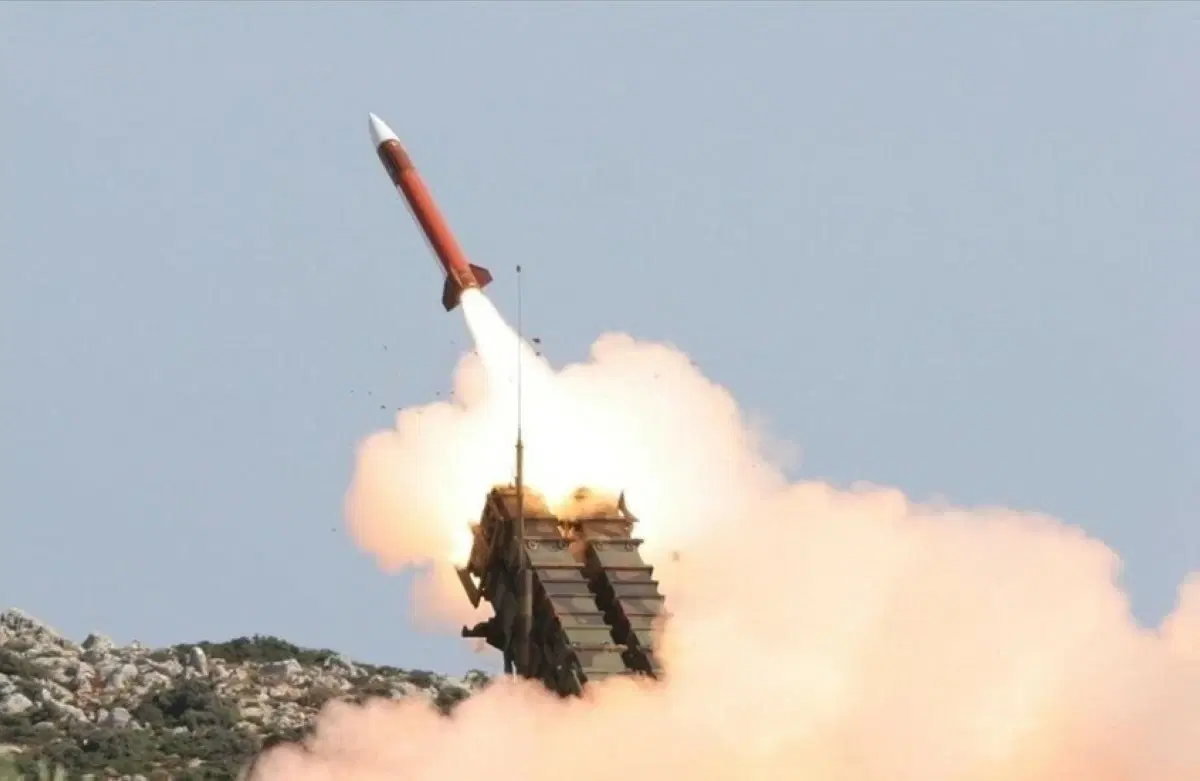
On the other hand, the United States approved on Friday a potential deal to sell air defense equipment to Ukraine worth $2.68 billion, following repeated appeals from Kyiv for support to counter Russian attacks.
The US State Department said in a notification to Congress that it had "made a determination approving a possible Foreign Military Sale to the Government of Ukraine" allowing it to purchase modern equipment to develop its air defense capabilities and related services.
According to the US State Department, Kyiv requested to purchase equipment including multiple types of missiles, launchers, anti-drone radars, and trailers.
The proposed deal must be subject to congressional review.
The State Department said, "If the proposed deal is concluded, it will be funded by Ukraine through European contributions and US foreign military financing that was allocated during the previous administration."
US President Donald Trump said this month that he would ask Europeans to repay the value of US aid provided to Ukraine during the term of his predecessor, Joe Biden.
Trump has repeatedly demanded that Europeans bear a larger share of the cost of Western support for Ukraine.
The decision, which the US State Department estimated at a total cost of $2.68 billion, coincided with Trump signing a law authorizing new sanctions aimed at increasing pressure on Russia.
The Ukrainian capital has seen an escalation in Russian attacks that its air defenses are struggling to repel due to a shortage of ammunition.