US Congress: 81 aircraft lost or damaged during the war on Iran
Agencies2 min read
Share
Research conducted by the US Congressional Research Service has shown that at least 81 US military aircraft have been lost or damaged during attacks on Iran since the end of last February.
According to a recent report prepared by the Congressional Research Service, at least 81 fixed-wing aircraft, rotorcraft, helicopters, and drones belonging to the United States were lost or damaged during military operations against Iran.
The report, which was updated this October, indicated that this number may rise as new updates are added.
The report, which compiled losses recorded since the United States began its offensive against Iran on February 28, stated that the value of the mentioned aircraft amounts to $3.3 billion.
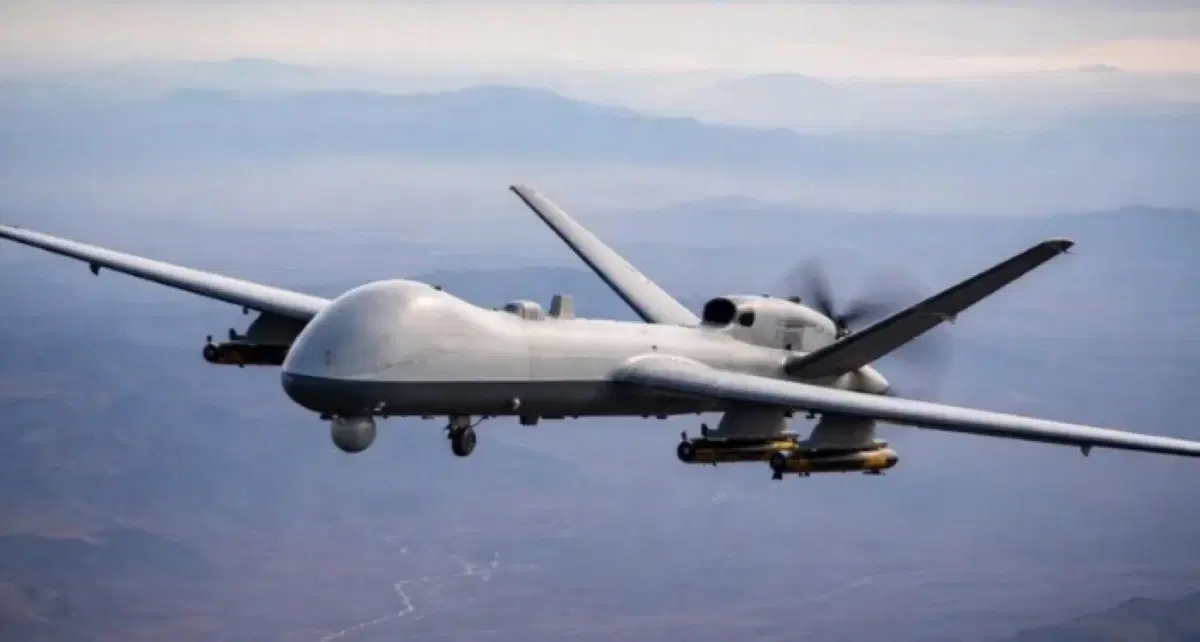
It also reported that the largest losses occurred among "MQ-9 Reaper" drones, with at least 45 of them lost during the attacks on Iran.
The report noted the inclusion of 12 "F-15E Strike Eagle" aircraft in the list of losses, explaining that 3 of them were destroyed by friendly fire over Kuwaiti airspace last March.
Other losses or damages include one "F-35A Lightning II" aircraft, two "A-10 Thunderbolt II" aircraft, seven "KC-135" aerial refueling tankers, and one "E-3 Sentry" airborne warning and control aircraft.
These data compile operational events recorded since February 28, based on US Department of Defense records, US Central Command data, military inspector general investigation results, and press reports.
The report warned of potential pressures on the US defense industrial base and the US Department of Defense's ability to quickly replace lost aircraft.
On February 28, the United States and Israel launched a war on Iran that left thousands dead, and Tehran responded with attacks on Israel and US sites in the region before a ceasefire was reached last April.
Later, the United States launched attacks on sites in Iran, amid a stalemate in negotiations between the two countries, despite their signing of a memorandum of understanding in mid-June.
The stalling of negotiations comes as a result of disputes over navigation in the Strait of Hormuz, which is considered one of the most important strategic corridors for global energy and commodity supplies.