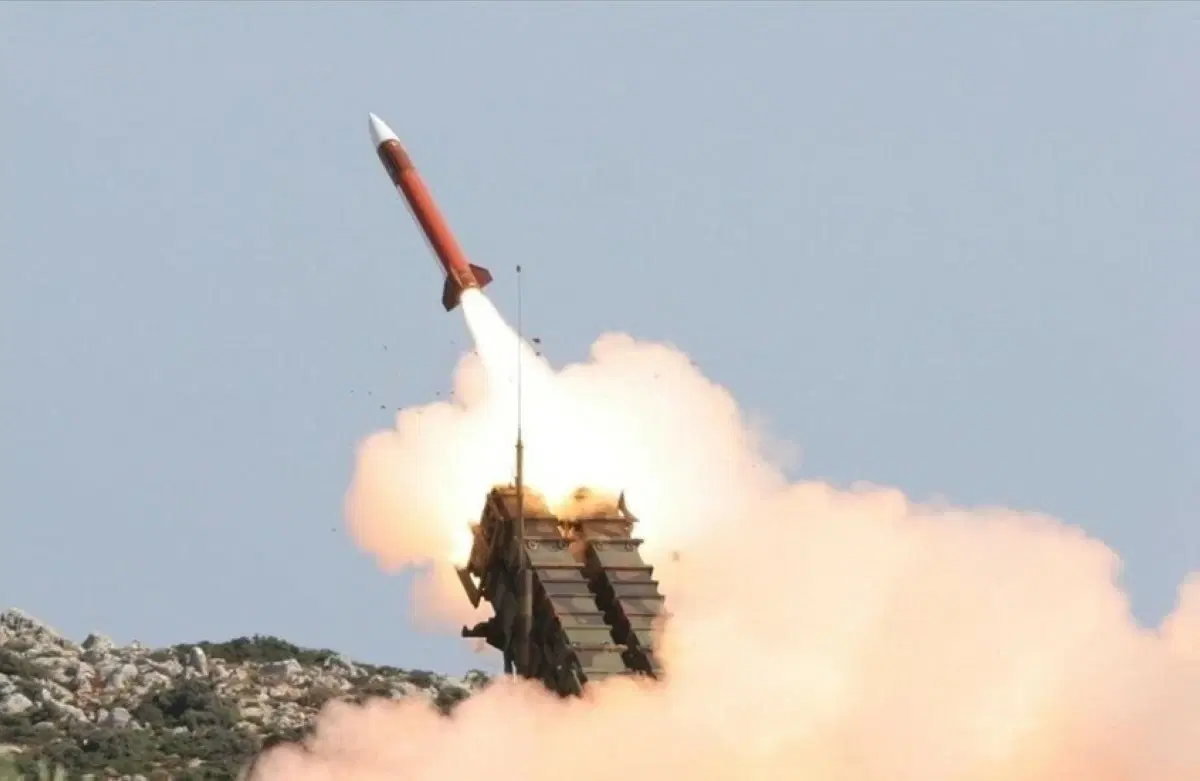
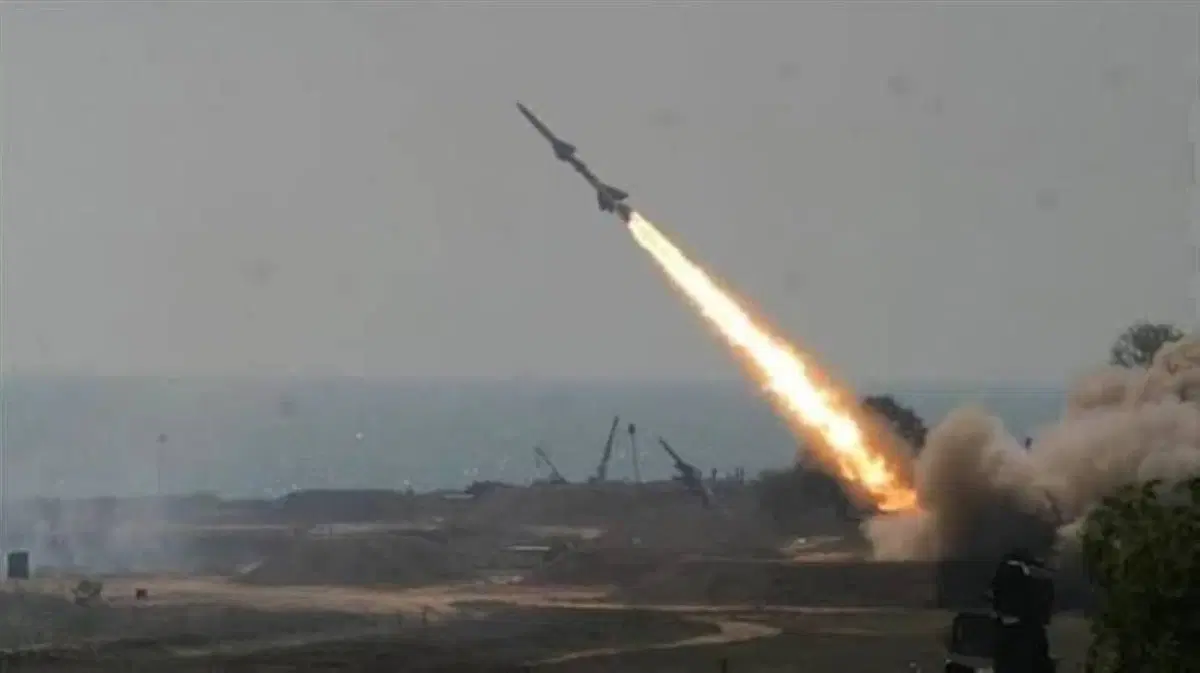
ي نيوز".
The "MQ-9 Reaper" is one of the most prominent drones in the American fleet, with each costing around $30 million.
Follow Al Rai

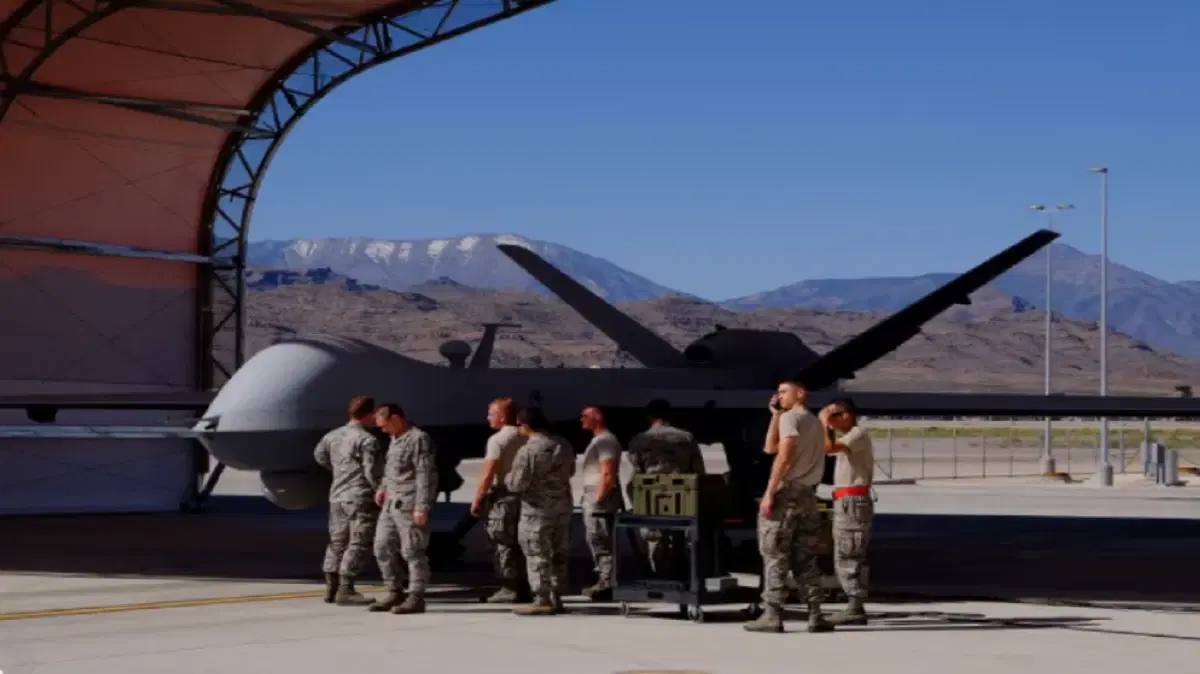
ي نيوز".
The "MQ-9 Reaper" is one of the most prominent drones in the American fleet, with each costing around $30 million.
Increasing Losses
These developments coincided with the release of the first report by the American Inspector General on the war with Iran, which included details on human and military losses, including drone losses.
The report counted the destruction of up to 30 MQ-9 Reaper drones between February 28 and June 30, a number exceeding the total losses of manned aircraft reported in the report.
The specialized website "Drone XL" noted that the Pentagon currently does not have an active production line to compensate for these losses, while the website estimated the number of destroyed MQ-9s to be 24 as of April.
American forces use MQ-9s to carry out precision strikes against high-value targets, including tanks and troop gatherings, and have participated in targeting Iranian ballistic missile facilities, while Global Hawk aircraft are used for reconnaissance, aerial photography, and surveillance.
The pace of losses indicates the challenges faced by traditional drones when operating in hostile environments, despite American air superiority.
Specialized military affairs websites, including "The National Interest" and "Defense Security Asia," analyzed the escalation of American drone losses to Iran, with the latter estimating that the losses since the start of the military operation have affected about a fifth of the American MQ-9 fleet.
These analyses also reported that the Congressional Research Service issued a special report titled "Losses of American Combat Aircraft in Operation Epic Wrath," indicating that the losses have become a subject of monitoring by Congress committees.
A member of Congress admitted to the loss of 39 American aircraft since the start of the war, including F-35 fighters and early warning aircraft.
Strategic Shortage
The repercussions of the war are not limited to aircraft losses, as the Inspector General's report mentioned a shortage of ammunition and "bottlenecks" in supply chains, coinciding with the Trump administration's efforts to rebuild the weapons stockpile.
The report stated that the American War Ministry is working, "to alleviate these constraints," to simplify procurement processes and reduce production lead times, and to create a stockpile of vital materials, components, and selected ammunition to ensure rapid response to any emergency.
According to the "CBS News" network, the report mentioned spending $22.3 billion on Iran war ammunition, leading to what it described as a "strategic shortage" in the American stockpile.
The "National Security Journal" estimated the total cost of the war by June to be around $33 billion, most of which was allocated to compensate for ammunition and equipment.
American reports also mentioned damage to hundreds of buildings and dozens of American aircraft due to Iranian strikes.
According to the data in the report, the cost of the war was about $33.4 billion, distributed between $22.3 billion for consumed ammunition, $3.7 billion in equipment losses, and $7.4 billion in other expenses, without counting the costs of repairing damaged facilities.
In contrast, American War Minister Pete Hegseth denied reports that the United States was suffering from a shortage of ammunition.
President Donald Trump also wrote on Monday, via the "Truth Social" platform, that his country "is producing more advanced and elite weapons than ever before in our history," adding that these weapons "are being delivered daily to our forces in the Middle East and beyond."
Know more about this story?Send us a tip
Ask about this report — answers stay grounded in its text.