University attendance doubles the number of inter-governorate regular transport users and raises demand by 103%
Amman3 min read
Share
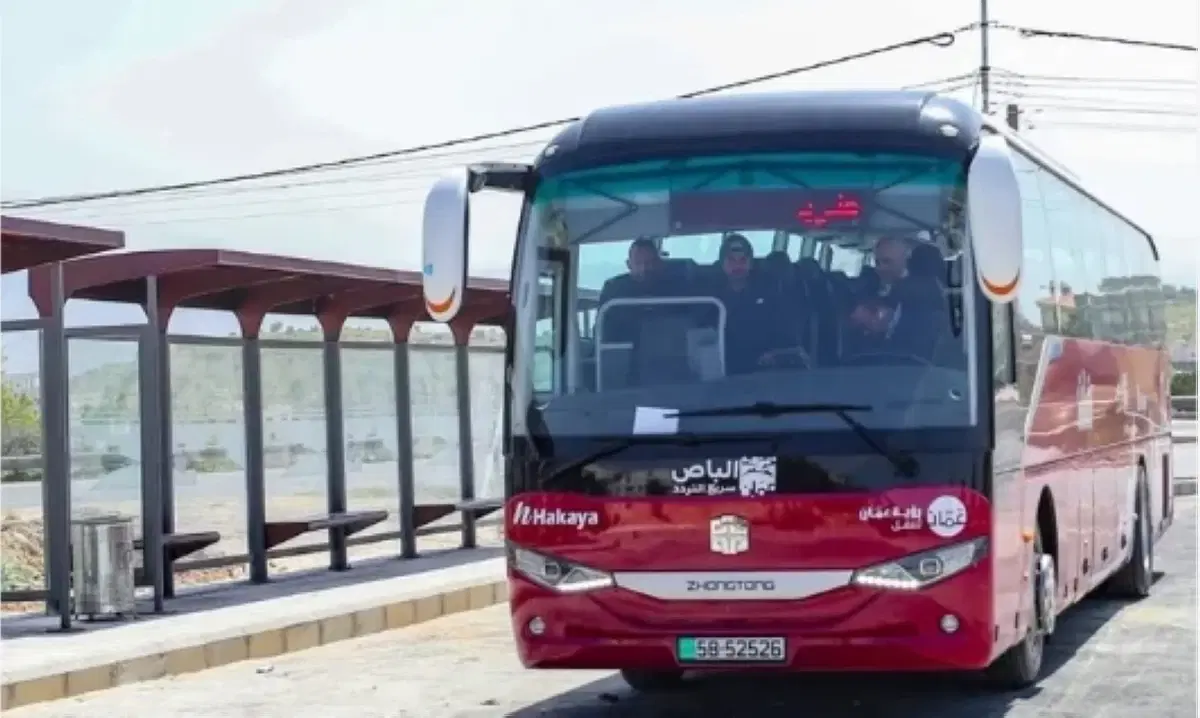
University attendance has doubled the number of users of regular public transport services between governorates, as demand for services connecting the Kingdom's governorates to each other has risen by 103 percent.
This comes according to a comparison of operational data for the second and third weeks of September, during the university holiday period, with the second and third weeks of October, during the university attendance period, while taking into account the actual operating days during both periods.
According to the Land Transport Regulatory Commission, the comparison showed an increase in the number of passengers from 99,414 to 202,133, an increase of more than 102,000 passengers.
The daily average also rose from about 9,900 to more than 20,200 passengers, while October 18 recorded the highest passenger traffic, with 27,292 passengers.
In line with the rise in demand, the number of trips executed increased by 38 percent, from 7,840 to 10,787 trips across all twelve project lines, while the total distance traveled increased by 34 percent during the second and third weeks of October, and the average number of passengers per trip rose from about 13 to about 19 passengers.
The Mafraq–Zarqa line recorded the most notable increase in passenger numbers, as the count rose from 4,503 to 46,042 passengers, while the number of trips increased from 389 to 1,193, reflecting the line's nature in serving Al-al-Bayt University students.
The Amman–Salt line, with the return of Al-Balqa Applied University student service, recorded a 73 percent increase in passenger numbers, from 24,020 to 41,569 passengers.
Jerash lines witnessed remarkable increases, as the number of passengers on the Jerash–Irbid line increased by 423 percent, from 2,239 to 11,710 passengers, while the number of passengers on the Jerash–Mafraq line rose by 333 percent, from 1,845 to 7,987 passengers, and on the Jerash–Amman line, the number of passengers rose by 72.5 percent, from 9,308 to 16,057 passengers.
In the north of the Kingdom, the number of passengers on the Irbid–Zarqa line rose by 58.5 percent, from 12,479 to 19,781 passengers, while the number of passengers on the Irbid–Amman line increased by 28 percent, from 26,944 to 34,546 passengers, and the number of passengers on the Ajloun line rose by 77 percent, from 4,302 to 7,631 passengers.
In the south, the number of passengers on the Tafilah line rose by 168 percent, from 3,120 to 8,371 passengers, while the number of passengers on the Ma'an line increased by 102 percent, from 2,209 to 4,471 passengers, and the Al-Qasr line by 23 percent, from 2,970 to 3,646 passengers, while the number of passengers on the Karak–Amman line increased by 13.5 percent, from 7,320 to 8,309 passengers.
These indicators confirm that university students constitute a major segment of users of regular public transport services between governorates, and reflect their increasing demand for using these services to commute between their places of residence and their universities, highlighting the importance of regular transport in meeting their daily needs and facilitating their access to their universities.
Regulatory systems and electronic payment and tracking technologies installed on buses also contribute to enabling the Commission to prepare statistics and operational data related to passenger traffic and trips, which helps in monitoring the project's performance, analyzing operational indicators, and improving the level of regular public transport services.
The Commission continues to monitor passenger numbers and operational indicators on all lines, and works to align trips with demand levels, contributing to enhancing operational efficiency and ensuring the regularity and quality of service.
The inter-governorate regular transport project aims to provide regular, safe, and affordable public transport services for citizens, and to facilitate their movement between governorates.