UN High Commissioner for Refugees Barham Saleh said that education, during his years of displacement, had given him opportunities that displacement might have deprived him of, and helped him rebuild his life and shape his future.
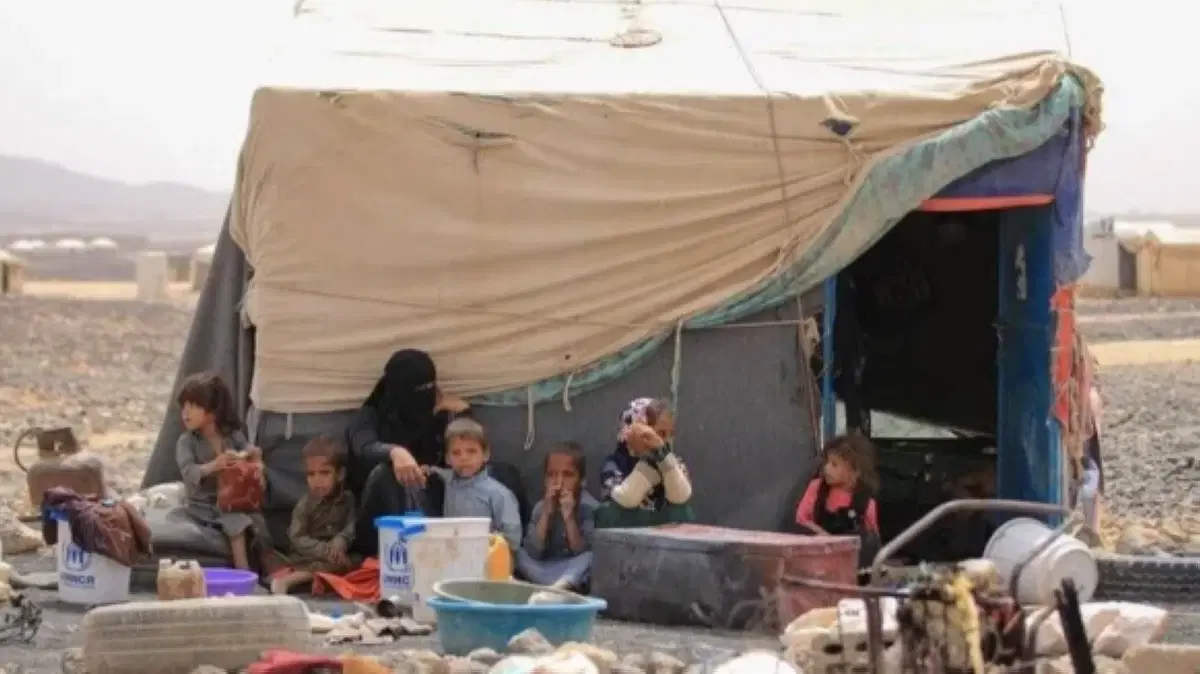
He added that "Education is protection", and it is a pathway to opportunities and self-reliance, warning that reducing education funding, amid severe pressure on humanitarian and development funding, threatens to reverse decades of collective investment and close opportunities for a generation of young people.
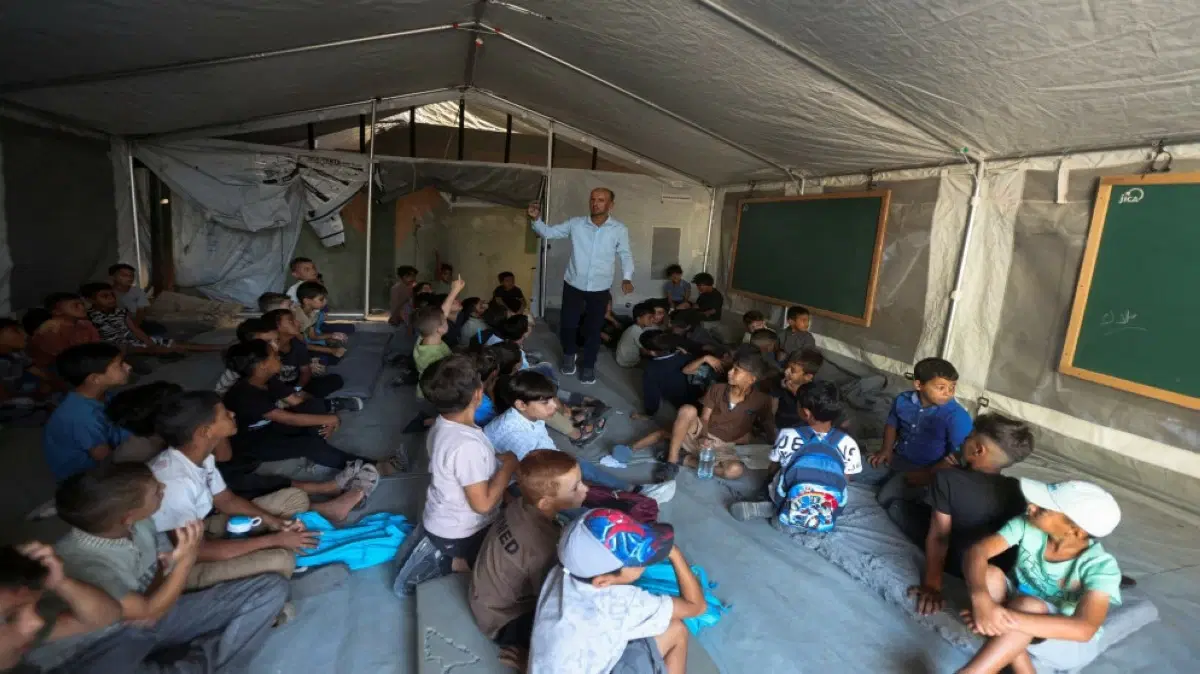
According to the report, the transition to secondary education remains one of the biggest challenges for refugee students, with 65% of primary-school-age refugee children enrolled in primary education in 2025, compared to only 32% in secondary education.
It pointed out that the transition to secondary education faces greater challenges for refugee girls, as the gap between girls and boys in secondary education widens sharply due to poverty, protection risks, early marriage, and other pressures that push increasing numbers of adolescent girls to drop out of school.
In contrast, the enrollment of refugees in higher education reached a record level of 11% in 2025, up from 9% in 2024, with more than 450,000 refugees enrolling in higher education for the first time, the highest level recorded so far.
The agency said that this increase keeps it and its partners on track to achieve the goal of raising the enrollment of refugees in higher education to 15% by 2030, by expanding access to universities, vocational training, online learning opportunities, scholarships, and education pathways in third countries.
The report emphasized that higher education can make a significant difference for refugee women and girls by providing skills, qualifications, employment opportunities, and enhancing economic independence, but it pointed out that there is still a significant disparity in access opportunities.
The enrollment of refugees in higher education in more than 80% of countries that provided data remained below the national average last year, while in low-income and conflict-affected countries, the percentage was only 2% among refugees, compared to 13% among nationals of those countries.
The agency stressed that investing in refugee education also requires strengthening national education systems that serve refugees and host communities, given the need to provide sufficient teachers, classrooms, educational materials, and funding to ensure the successful integration of refugees into these systems.