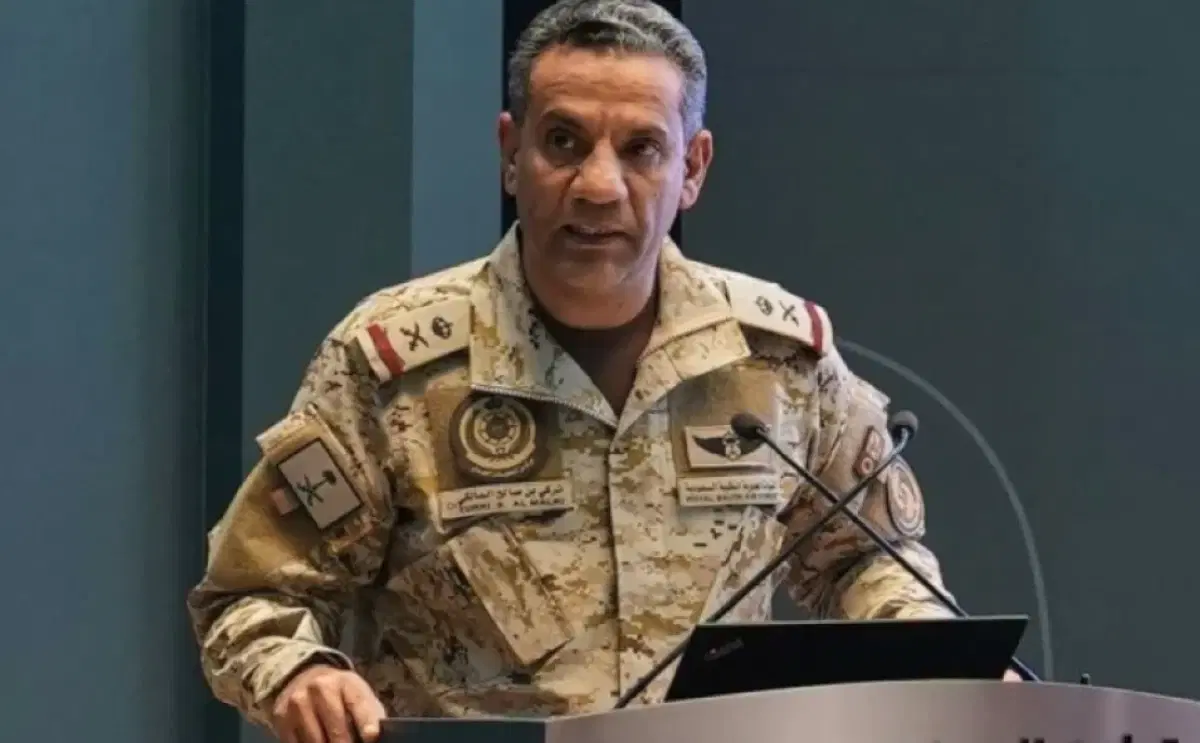
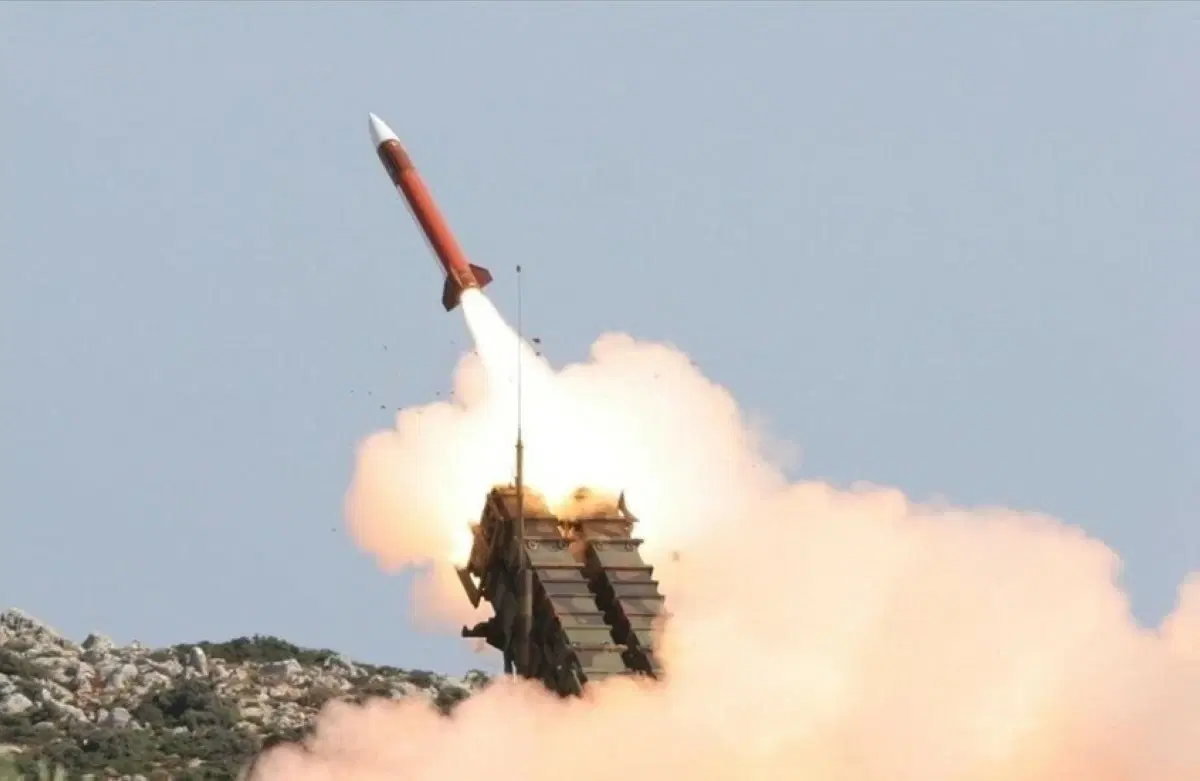
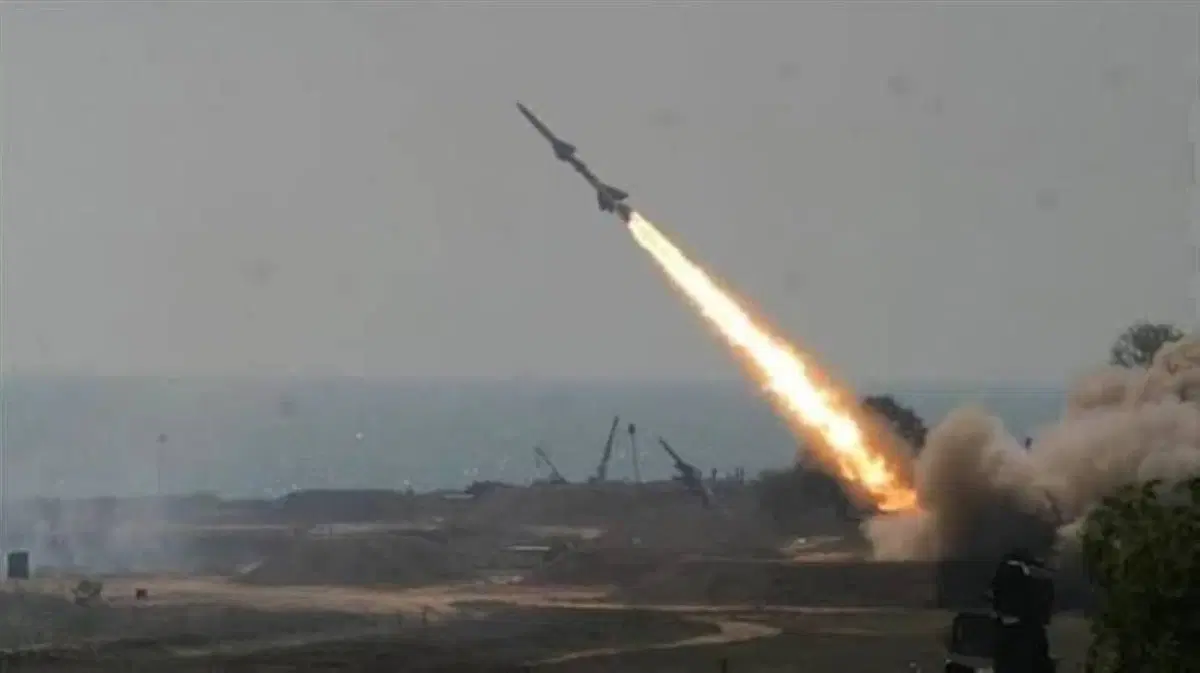
The coalition reported that it managed to intercept the missile, and there were no reports of casualties or damage, while residents in Riyadh reported hearing an explosion and seeing smoke rising near the airport.
The coalition's statement clarified that the Houthis also attempted to target civilian facilities in the city of Yanbu on the Red Sea coast, where one of the most important Saudi oil pipelines ends, as well as the cities of Taif, Bishah, and Farasan, confirming the thwarting of these attempts without further details.
In contrast, Houthi military spokesman Yahya Saree said that his group carried out the attack with cruise and ballistic missiles and drones, and that the Saudi response targeted Sanaa.
Following these developments, the US Department of State, through several of its embassies in the region, raised the level of security warnings for its citizens, warning of what it described as a complex security environment that carries unexpected escalation possibilities.
In a circular on the X platform on Sunday morning, the Department urged Americans residing in the Middle East to exercise high vigilance and prepare for the possibility of flight cancellations, airspace closures, and travel disruptions, and urged those outside the region to seriously reconsider any travel plans to or through it.
The warnings emphasized that the military conflict could escalate rapidly, warning of the possibility of targeting US diplomatic facilities, even outside the Middle East, in addition to other US interests that Iran or its supported groups might target in various locations around the world, including US companies and institutions.
In this context, the US Embassy in Iraq warned Americans currently in the Middle East to be aware of the possibility of airspace closures and flight cancellations, and urged everyone to exercise the utmost caution and vigilance.