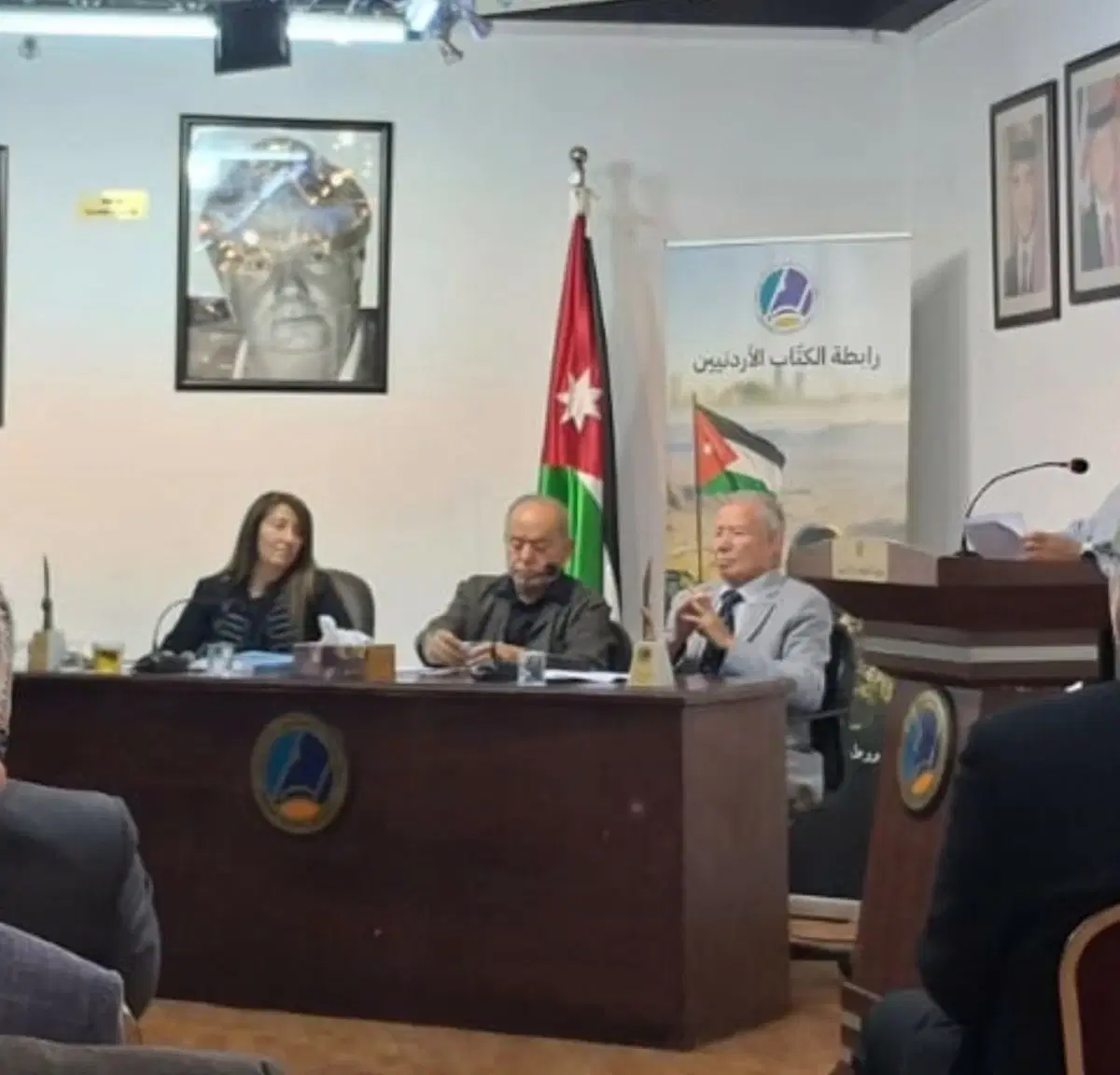
Badran emphasized that tolerance is a fundamental requirement for progress and development, noting that: "The countries that lead economic progress indices are the same ones that lead tolerance indices," pointing out that nature in its essence: "does not repeat itself and does not carry two things that are exactly identical, which makes tolerance an inevitable necessity rather than an intellectual luxury," noting that "preserving and protecting the values of tolerance requires a strong state that establishes it through law and practice."
The author of the book "Tolerance Without Borders," Dr. Amani Jarar, presented a philosophical reading of the concept of tolerance and its social, political, economic, and legal branches, explaining that the slogan "Without Borders": "does not mean accepting injustice or compromising rights, but rather extending tolerance beyond the boundaries of human difference in all its forms."
Jarar warned that: "A world that cannot manage difference will be managed by conflict," emphasizing that: "Tolerance is a voluntary act that stems from a free human being who owns their decision, not from a person whose will is stripped or who is compelled, which is what distinguishes it as a supreme moral value."
Dr. Majd al-Din Khammash presented a critical analytical reading of Dr. Jarar's book, during which he paused at a number of key terms and concepts related to the book, and the approaches it proposes for the manifestations of tolerance in contemporary society and ways to apply it educationally.
It is noteworthy that the book addresses the subject of tolerance in terms of concept, philosophy, and problematic. The importance of the book stems from its addressing of the philosophical, educational, cultural, and political issues related to application, and it discusses the philosophy of tolerance and examines its infinite dimensions and several philosophical, ethical, educational, political, and cultural dilemmas.