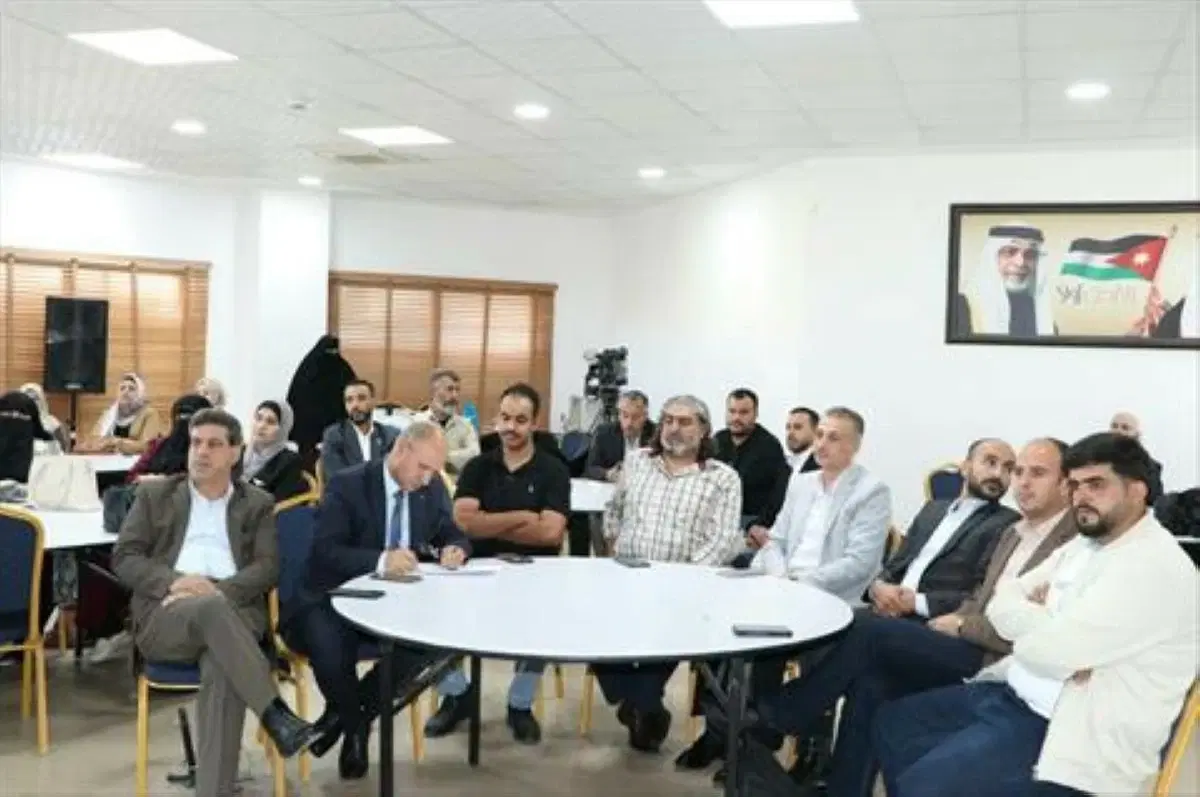
The Executive Director of the Jordanian National Identity Initiative, Dima Yousef Al-Majali, indicated that the initiative is based on a sustainable institutional methodology that relies on documenting Jordan's history from reliable sources and conveying it to various groups using modern methods, noting that the initiative constitutes a sustainable project implemented through broad partnerships with educational, cultural, and media institutions for developmental and national service.
The President of the Amman and Gulf Center for Strategic Studies, Dr. Mohammed Issa Al-Adwan, presented an investigative historical reading on Hashemite thought and the impact of scientific documentation on the concepts of the state's inception, recalling exceptional national milestones such as the Salt Conference and the Umm Qais Conference (1920), and the role of Jordanian tribes and free men, and the sacrifices of the Arab Army in defending Palestine and protecting security and stability.
For his part, the President of the Howiyat Watan Cultural Forum, Engineer Ibrahim Musa Al-Shudifat, explained that strengthening national identity constitutes an integrated system of inherited values, praising the historical positions of the people of Tafilah and their extended message in consolidating national cohesion, while the head of the Women's Empowerment Unit at the municipality, Nihaya Al-Hajjaj, affirmed the municipality's keenness to host awareness and educational meetings.
The symposium included extensive dialogues and interventions that addressed ways to protect national memory and deepen enlightened thought among youth, amid praise from the attendees for the content of the symposium and its importance in facing intellectual and historical challenges.