The Occupation Defies Western Sanctions with New Settlement Plans
Planning to Establish 3 Settlements in the West Bank
Amman8 min read
Share
Israel Opens Diplomatic Confrontation with Britain
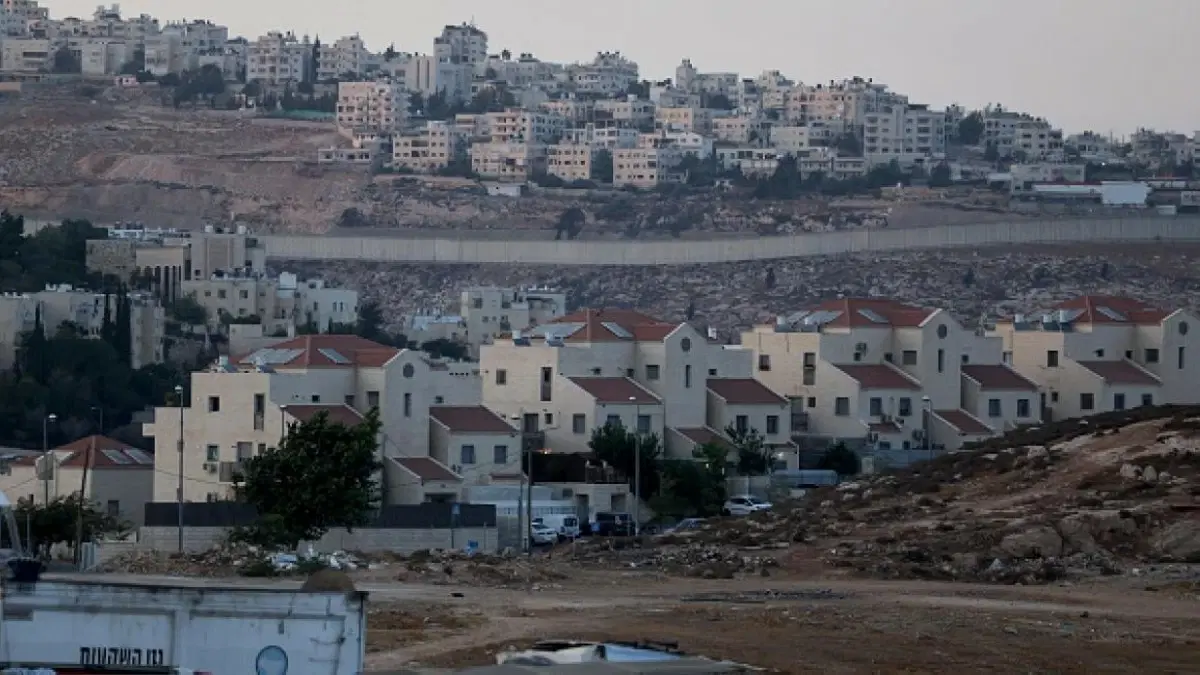
The Israeli occupation government escalated its settlement and diplomatic moves in the occupied West Bank in clear defiance of growing Western sanctions and pressure. Scarcely hours had passed since 12 Western countries announced restrictions on trade in settlement products and demanded an end to settlement expansion and settler violence, when the occupation authorities began discussing plans to establish three new settlements comprising 747 settlement units. This coincided with Israel taking punitive diplomatic measures against Britain, including closing its consulate in occupied Jerusalem and revoking the accreditation of a number of its diplomats.
These developments reveal a widening rift between Israel and several of its Western allies at a time when international criticism of the settlement policy in the West Bank is mounting, amid signs of American displeasure with certain steps taken by Prime Minister Benjamin Netanyahu's government, particularly regarding the E1 settlement project, which successive US administrations have considered a direct threat to the feasibility of establishing a geographically contiguous Palestinian state.
Israeli Foreign Minister Gideon Sa'ar led the package of measures against Britain, notifying the British Consulate in occupied Jerusalem that it must close within 30 days, with its employed diplomats losing their diplomatic accreditation.
Additionally, British representatives participating in the US security coordination mission for Gaza, along with British diplomats residing in Ramallah, were given a seven-day deadline to leave Israel and the occupied Palestinian territories.
The Israeli measures also included barring 12 British members of parliament and other figures, including former British Labour Party leader Jeremy Corbyn, from entering Israel, as well as terminating the British military mission tasked with training Palestinian security forces in the West Bank.
In response, British Foreign Secretary Ed Miliband acknowledged that his country was aware the Israeli response would be sharp, but stressed that the British government had weighed the costs and benefits of the action and concluded it could not stand idly by out of fear of the Israeli reaction.
He described the decision to close the British consulate in Jerusalem as regrettable, but not surprising.
Miliband had announced before the British House of Commons a package of sanctions and restrictions considered among the strictest taken by London against Israeli settlements. These included banning the import of goods produced in illegal Israeli settlements in the occupied Palestinian territories, expanding sanctions to include individuals and entities providing infrastructure, financial, and real estate services necessary for settlement expansion, alongside refusing arms export licenses that could contribute to supporting the occupation in the West Bank.
Miliband accused the Israeli government of turning a blind eye to the displacement of Palestinians and violence carried out by settlers in the West Bank, while British Prime Minister Andy Burnham stated that the British measures aim to increase pressure on Israel to change its course. He pointed out that the number of settlements Israel has approved for establishment over the past four years exceeds what was approved during the preceding two decades, and that settlers carried out around 1,500 acts of violence during the current year.
Britain was not alone in this path, as 11 other Western countries—Canada, Denmark, Finland, France, Iceland, Ireland, Norway, Poland, Portugal, Spain, and Sweden—announced their intention to impose national restrictions or support European restrictions on the trade of goods originating from Israeli settlements in the occupied West Bank.
This collective Western move constitutes an additional indicator of growing political and diplomatic pressure on the occupation government, especially as these measures come within the context of an escalating series of international positions rejecting settlement expansion and settler violence, at a time when the Israeli government continues to push forward with new projects on the ground.
In this context, reports revealed that the Subcommittee for Settlements of the Israeli Civil Administration intends to discuss three new settlement plans in the West Bank, comprising a total of 747 settlement units, less than 12 hours after the Western countries announced their measures against the settlements.
According to an analysis by the "Bimkom – Planners for Planning Rights" association, the plans include the settlements of "Yitav West", "Maoz", and "Adi Ad". Prominent among them is Plan No. 320/6 for the establishment of the "Yitav West" settlement in the Jordan Valley area on an area of approximately 200 dunums, involving the construction of 281 settlement units, less than 100 meters away from the existing "Yitav" settlement and adjacent to the area where the Palestinian herding community of Ras al-Ein al-Auja used to live.
The community, considered one of the largest pastoral communities in the occupied West Bank, was forced to leave the area in late January 2026, after years of pressure, attacks, and harassment it faced from settlers, according to the association's report.
Documents related to the plan indicate that the lands included in it, which were used for grazing and agriculture by the community's residents, had their ownership transferred to a settlement company named "Al-Watan" Limited. Media reports linked the company to the extremist settlement organization "Amana", headquartered in occupied East Jerusalem.
The proposed settlement is also located dozens of meters from the Al-Auja waterfall, which before the displacement of the community was a destination frequented by Palestinians for picnics, before their access to it declined significantly with the expansion of the settlement presence and settler control over the surrounding area.
Documents show that planning procedures for establishing "Yitav West" began while the residents of Ras al-Ein al-Auja were still struggling to remain in the area. The Israeli government decided on December 11, 2025, to establish the settlement, and then the commander of the Central Command of the occupation army approved the delineation of its jurisdiction zone on December 28 of the same year, before the plan was approved at the planning office about a week later, in preparation for submission to the Subcommittee for Settlements.
Bimkom warned that establishing the settlement in the area adjacent to the Al-Auja Valley will make the return of the families of Ras al-Ein al-Auja to their lands—where they lived and grazed their livestock for about five decades—much more difficult, in addition to entrenching the displacement of Palestinians from picnic sites and natural areas in the region.
As for the other two plans, the first relates to Plan No. 139, which aims to legalize the "Maoz Tzvi" outposts in the Jenin area in the northern West Bank and convert it into an independent settlement named "Maoz", involving the establishment of 99 settlement units on an area of approximately 240 dunums. The outpost was established in 2001, while the Israeli government decided in May 2025 to recognize it as an independent settlement.
The second plan, No. 252/2, aims to legalize the "Adi Ad" outpost established in 1998, turning it into a settlement comprising 367 settlement units on an area of approximately 672 dunums, after the Israeli government also decided to recognize it as an independent settlement in May 2025.
Assaf Peled, from the association "Bimkom – Planners for Planning Rights", stated that the "Yitav West" plan clearly embodies the relationship between settler violence and the settlement policy of the Israeli government. He pointed out that instead of protecting the residents of Ras al-Ein al-Auja from the violence that led to their displacement, the state is proceeding to establish a new settlement adjacent to their lands just a few months after their departure from the area.
He added that the acceleration of procedures comes less than 12 hours after the announcement of Western sanctions, considering that the timing of the step reflects the extent of the contradiction between Israeli policy and international demands to halt settlement expansion and settler violence.
On the American side, the "Axios" website reported, citing American officials and Western diplomats, that President Donald Trump's administration did not oppose the British initiative, in a sign the site considered indicative of displeasure in Washington with Netanyahu's government policy in the West Bank.
In contrast, a divergence emerged within the American stance after the US Ambassador to Israel, Mike Huckabee, attacked the British sanctions, describing them as "discrimination against the Jewish people" and "irrational", before the White House distanced itself from his remarks, affirming they were not coordinated with the White House or the State Department.
These developments come amid special sensitivity surrounding the E1 area, which has been the object of objection by successive US administrations, both Republican and Democratic, for years due to the repercussions of establishing a settlement project there on the geographical contiguity between the northern and southern West Bank, and on the prospects for establishing a contiguous and viable Palestinian state.
The totality of developments indicates that the occupation government is proceeding with expanding the settlement project despite the widening circle of Western pressure and sanctions, at a time when settlements and settler violence have turned into a growing point of contention between Israel and several of its traditional allies, amid international fears that the acceleration of actions on the ground will create new facts on the ground that will be difficult to reverse in the future.