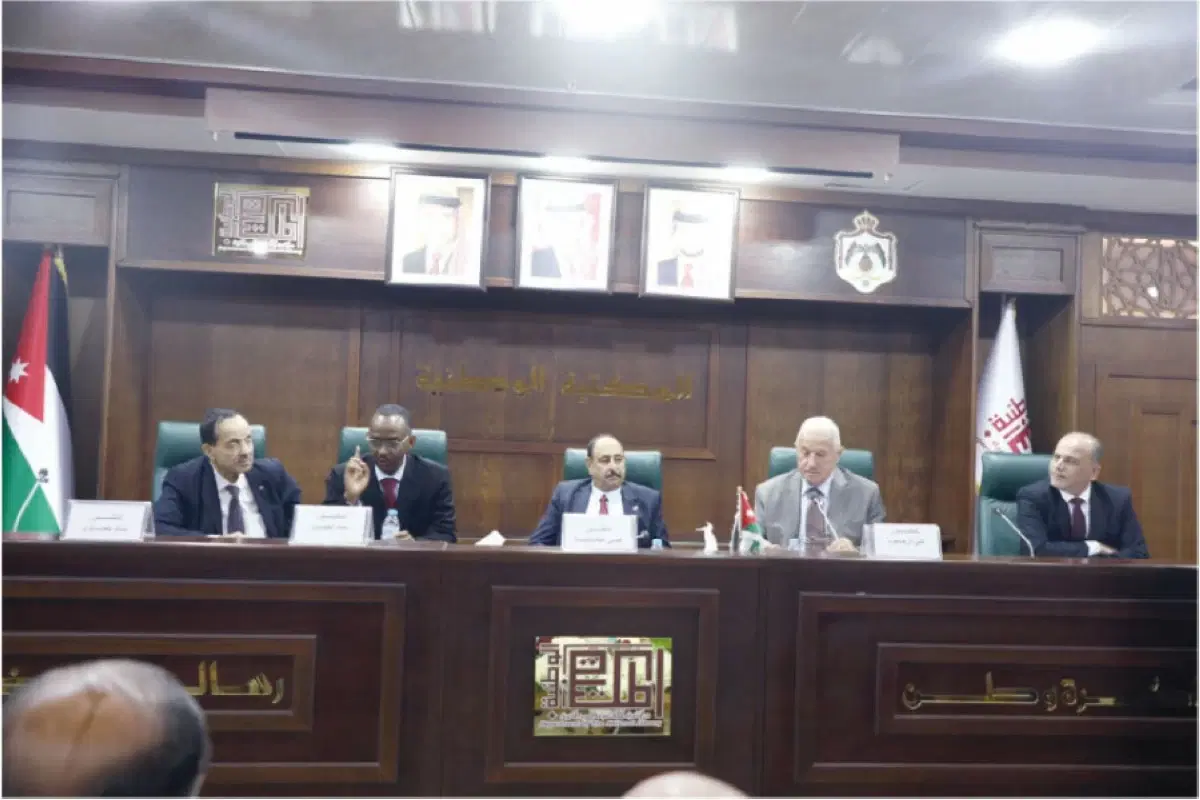
In a speech delivered during the ceremony, Shafiq emphasized that tobacco control is a shared national and societal responsibility that is not limited to the health sector, despite the fundamental role played by health professionals in the fields of prevention, treatment, and counseling, stressing the need for integrated efforts to raise awareness of the dangers of smoking, correct related concepts and behaviors, and provide a supportive environment for a healthy, tobacco-free life.
He pointed to the importance of having a clear professional roadmap that contributes to empowering health personnel to perform their role in providing advice and guidance, helping smokers quit, and dealing with the challenges posed by traditional and modern tobacco products, in addition to establishing a culture of prevention, especially among the youth.
He added that the National Library Department believes that knowledge is a fundamental pillar in bringing about positive change, and that reliable information and the conscious word are capable of influencing the behavior and attitudes of individuals, noting that cultural, media, educational, and health institutions are essential partners in building a conscious society capable of protecting its members and preserving their health.
He stressed the importance of utilizing media platforms, digital tools, and awareness programs to convey health messages, counter misinformation, and promote a culture of responsible choice, contributing to protecting future generations from the risks of smoking and dependence on tobacco and nicotine products.
He pointed out that investing in prevention is an investment in human beings and the future of society, and that reducing the spread of smoking requires continued coordination between concerned parties, unifying efforts and awareness messages, and turning health knowledge into daily practices that contribute to protecting public health.
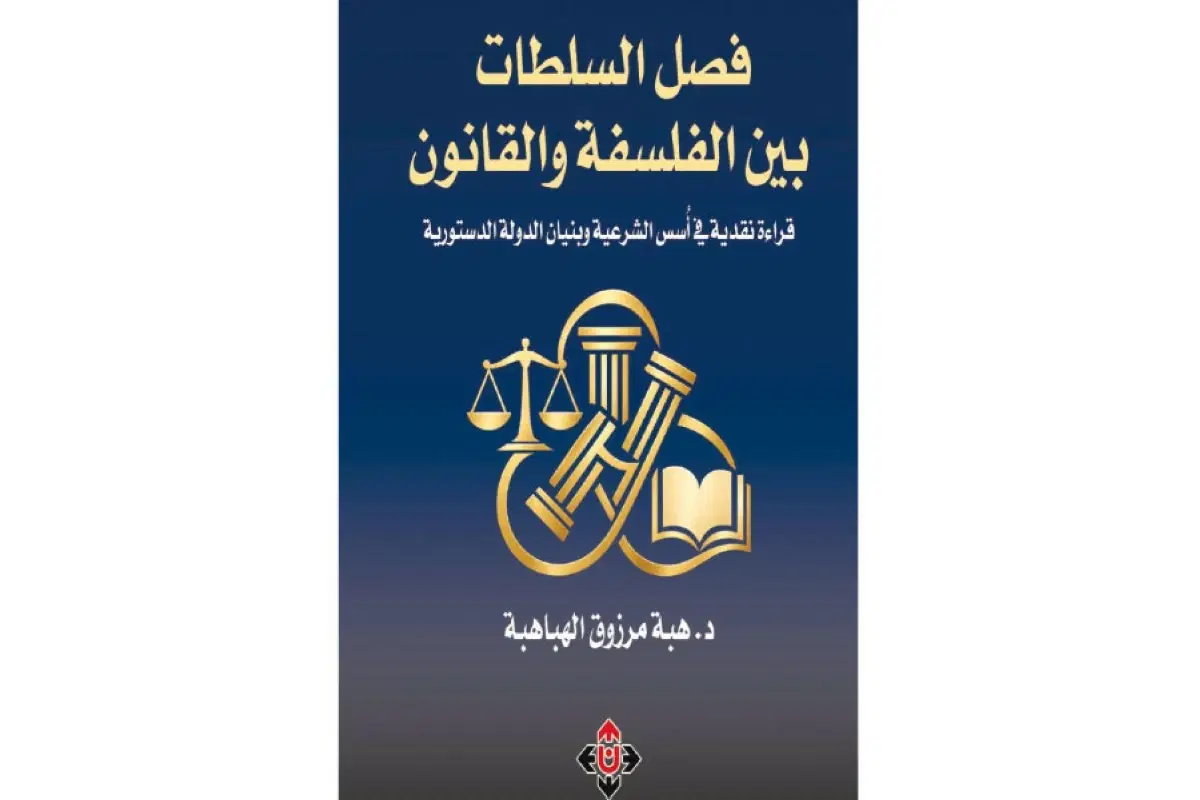
The book provides a practical and professional guide aimed at health professionals, including a roadmap to support medical personnel and enhance their capabilities in dealing with cases of tobacco and nicotine dependence, developing prevention and awareness methods, and providing the necessary support and guidance for those wishing to quit smoking.
This event comes within the context of national efforts aimed at reducing the spread of smoking, raising awareness of its health risks, and strengthening the role of medical and community institutions in confronting it, which reflects positively on individuals' health and quality of life.
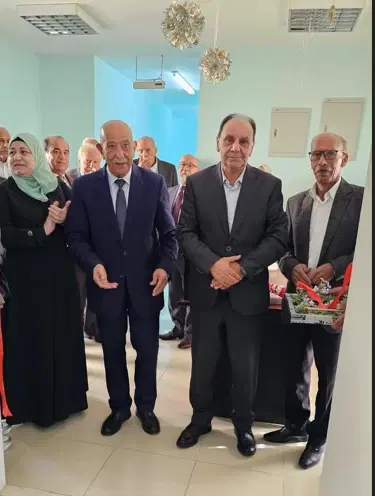
The participants emphasized the importance of continuing joint work between health, cultural, and community institutions, and intensifying awareness and educational programs, to enhance collective responsibility and contribute to building a more conscious, healthy, and tobacco-free society.