The Blue Oasis... When Nature Protection Turns into a Success Story
Amman4 min read
Share
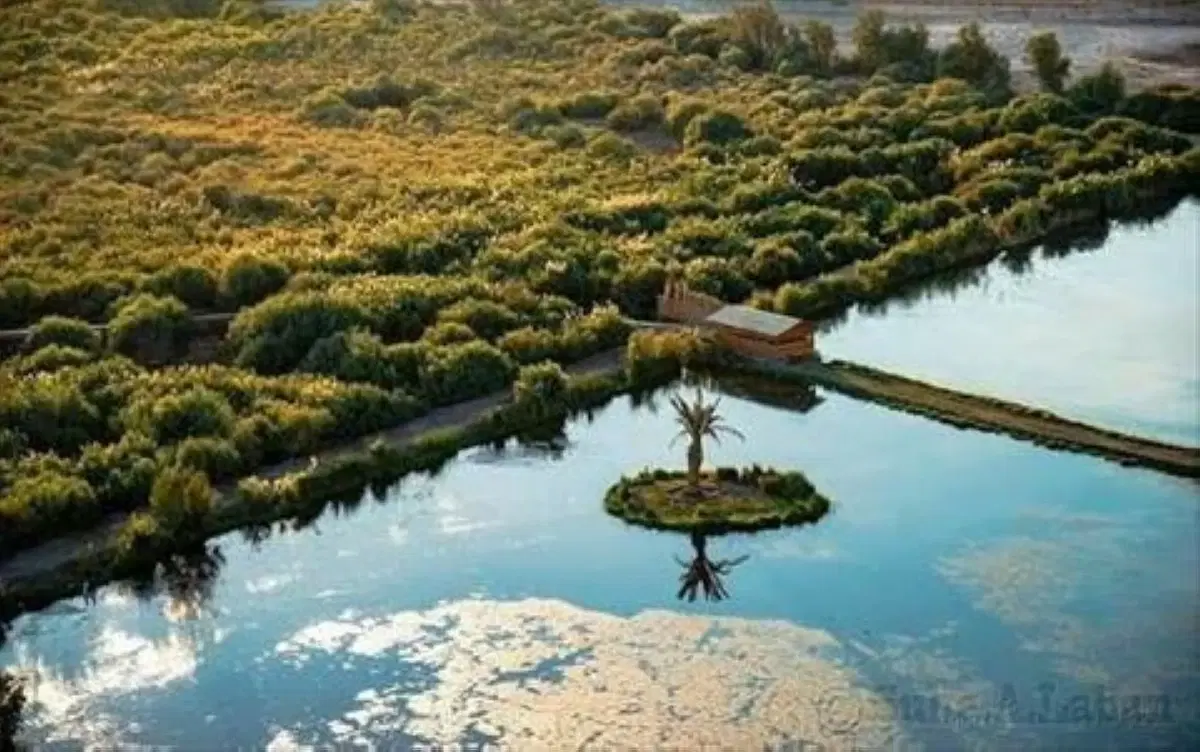
In the heart of the eastern desert, the Azraq Water Reserve comes alive every morning, welcoming visitors from all corners to witness what remains of a legendary oasis that has survived extinction and has now become an environmental destination that combines the beauty of nature with local development opportunities. Amidst the sounds of migratory birds and the reflection of water on the surface of the ponds, the visitor finds themselves in front of a story of resilience and continuity written by the reserve over many years.
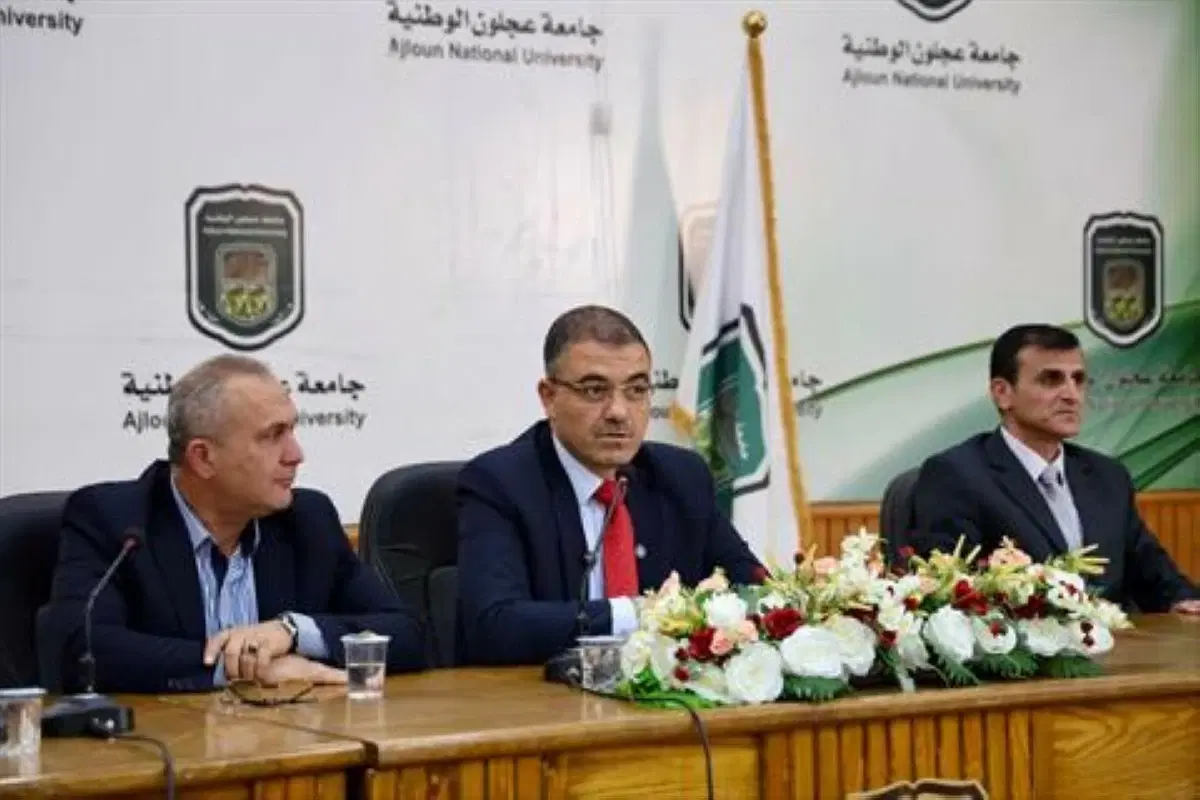
Hazem Al-Harisha, the director of the Azraq Water Reserve, says that the reserve has become one of the most prominent ecotourism destinations in the Kingdom, noting that the influx of visitors has seen a noticeable development in recent years. The reserve received about 13,615 visitors in 2024, while the number rose to about 13,980 visitors in 2025. As of the end of August 2026, the number of visitors reached about 7,848, reflecting the continued interest of Jordanians and foreign visitors alike in this unique natural oasis.
Al-Harisha confirmed that ecotourism in Azraq is not only beneficial to the reserve itself, but also extends to the surrounding local communities, explaining that the value of the local community's benefit from the reserve's activities amounted to about 245,924 dinars in 2024, while it rose to about 242,585 dinars in 2025, noting that the total benefit to the local community in Azraq over the past four years exceeded one million dinars.
The reserve director explained that these figures translate the philosophy of the Azraq Reserve's work, which is based on linking the protection of biodiversity with achieving a direct economic return for the region's residents, either by employing them in the reserve's activities or through small projects linked to hospitality, tourist guiding, and the sale of local products, making the preservation of the environment a shared interest between the reserve and the surrounding community.
Al-Harisha emphasized that the continued growth in the number of visitors despite the water challenges facing the reserve reflects the success of ongoing management and protection efforts, expressing hope that Azraq will continue to enhance its status as a Jordanian and regional model that combines sustainable ecotourism with community development, ensuring the continuity of this natural heritage for future generations.
Al-Harisha pointed out that the increasing momentum witnessed by the reserve in terms of ecotourism is matched by an equally important environmental movement taking place within Azraq, represented by the registration of bird species previously unknown in the region, most notably the Basra Reed Warbler, classified globally as an endangered species, in addition to the recording of the Turkestan Shrike hybrid in a first-of-its-kind precedent, and the registration of the Common Crane and Cedar Warbler.
The reserve director explained that the importance of Azraq is not limited to attracting new species, but also extends to the return of birds that have been absent from the region for more than forty years, such as the Rose-Colored Starling and the Forest Pigeon, along with the recording of other rare species such as the Short-Eared Owl, the Asian Desert Warbler, and the Eurasian Skylark, considering this return an indicator of a relative improvement in environmental conditions within the reserve.
Al-Harisha pointed out that Azraq also recorded unprecedented nesting cases at the national level, including the Chestnut Teal and the Shoveler, along with the first local documentation of the Northern Pintail nesting, while the breeding of the Eurasian Teal continued regularly over the past 7 years. He explained that the Qaa and water ponds area also witnessed unprecedented large gatherings of some birds, including more than five thousand individuals of the Black-Headed Gull in one season, along with the largest recorded gathering of the Purple Heron in Jordan, enhancing Azraq's status as a major rest and feeding station during migration journeys.