Temporary truce on the streets of France with a curfew as the government prepares for Saturday protests
Agencies2 min read
Share
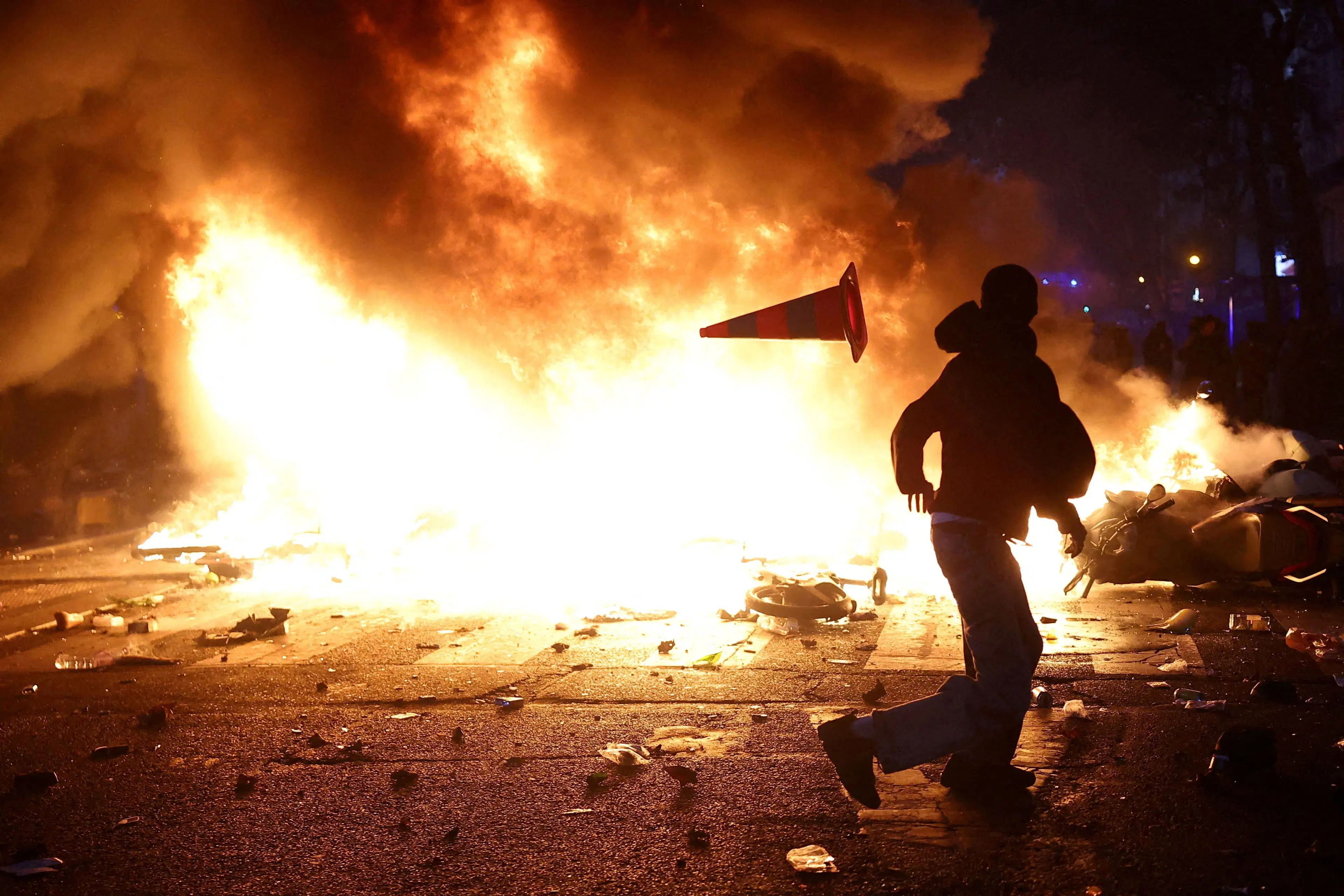
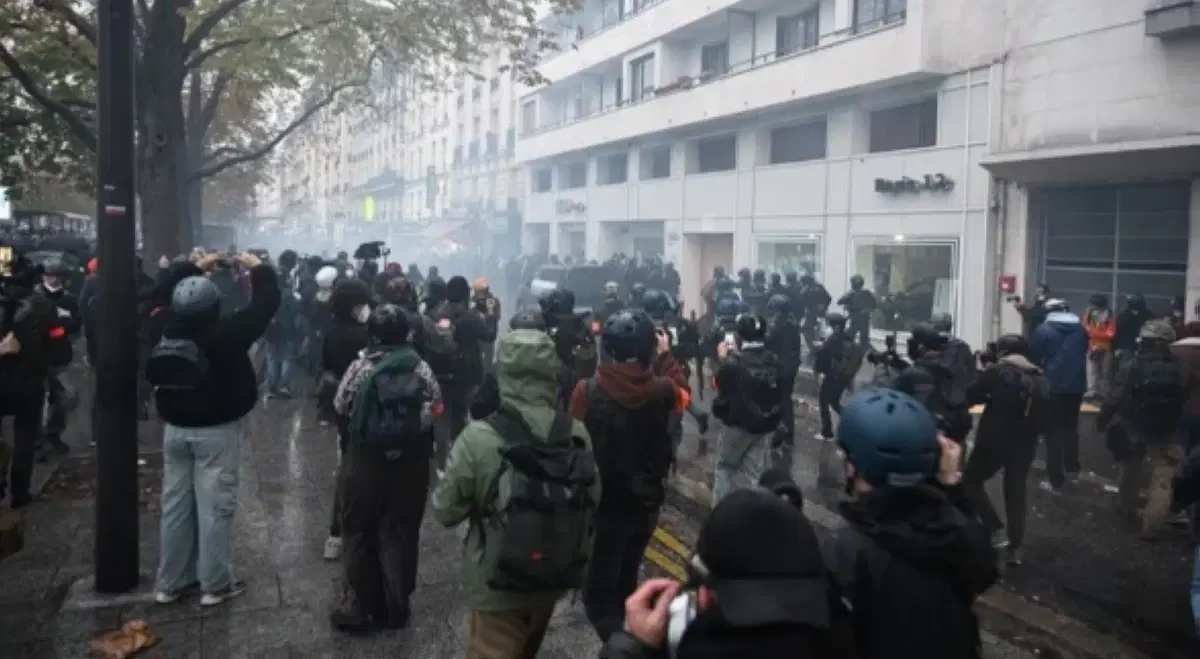
A state of calm prevailed in French cities overnight under the curfew imposed following the scenes of chaos that erupted earlier this week, as protest groups announced a new round of demonstrations for next Saturday.
Following the shock of the unprecedented violence earlier this week, the government is striving to reassure the public that it has learned lessons from the security gaps that left city centers like Paris, Marseille, and Lyon with little protection against rioters and looters in the wake of the demonstrations.
Prime Minister Sébastien Lecornu said in a post on the X platform, "The specific curfew measures contributed to maintaining calm last night."
He added, "The measure may be extended wherever the situation requires it."
High school student strikes and demonstrations against the low level of educational services and deteriorating conditions have turned into a nationwide wave of anger against rising prices, with a sense that health, housing, and social care needs are also no longer being met.
Furthermore, these events are fueling tension in the political atmosphere at a time when far-right and far-left candidates are leading the scene ahead of the presidential elections scheduled for next April and May.
Minister of Justice Gérald Darmanin told the French channel CNews that 123 people have been arrested since the protests began and remain in custody awaiting trial.
He confirmed in a separate television appearance on Monday evening that about 2,500 people remain in custody for questioning.
The night's calm gives the government a chance to catch its breath after weeks of protests that have exhausted the police and public authorities. But new challenges await them next Saturday.
The National Union of French Students, the main student union in France, said in a social media post, "We will continue," vowing to keep pressure on French President Emmanuel Macron and his government to reform what students and pupils describe as a dilapidated, underfunded education system.
On the other hand, groups known as the Yellow Vests have called for sporadic protests against rising fuel prices.