Syria presents to the United Nations a plan to end camps by September 2027
Amman3 min read
Share
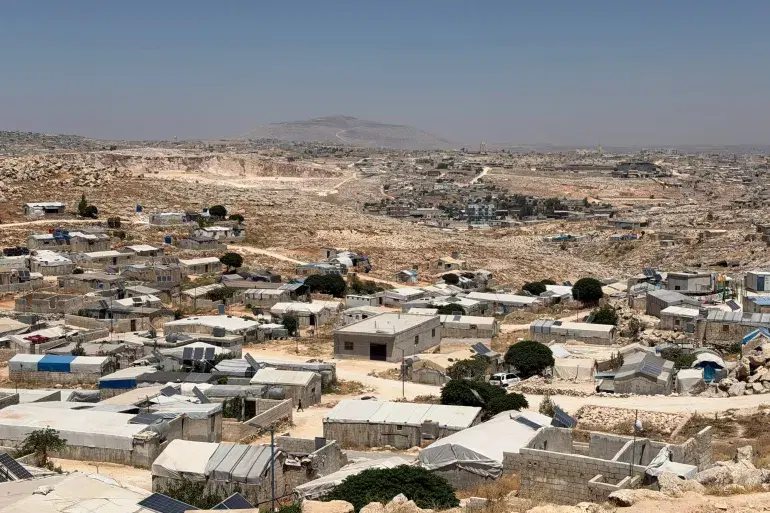
The Syrian government presented to the United Nations a plan targeting the end of the need for displacement camps in the country by September 2027, by preparing return areas and transferring international support from humanitarian response funding to recovery and sustainable solutions funding.
This came during a high-level seminar organized by the Syrian Mission to the United Nations in New York, on the sidelines of the 81st session of the General Assembly, titled "Regional stability, security, and sustainable return: the imperative of a Syria without camps", according to the Syrian News Agency "SANA".
The Syrian Minister of Emergency and Disaster Management, Raed Al-Saleh, said: "Our goal is not to remove the camps but to remove the need for them".
He explained that the government is seeking to transfer international support from "response funding to solutions funding" by removing mines and rubble, rehabilitating infrastructure and services, and providing job opportunities in return areas.
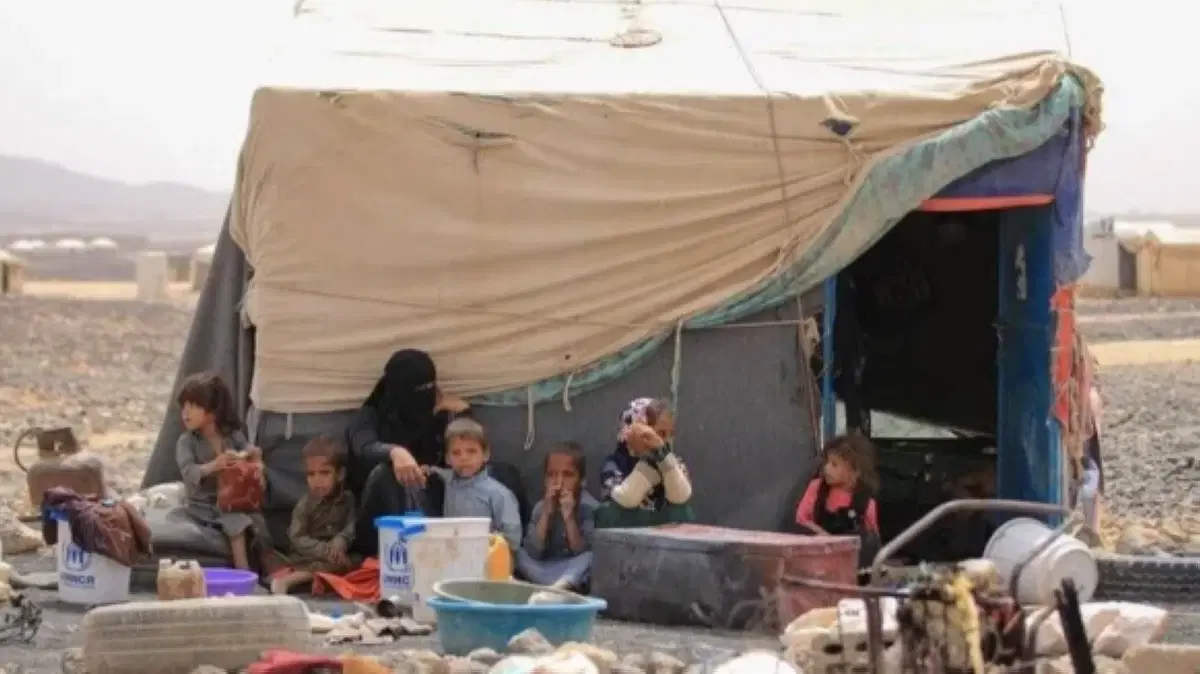
Al-Saleh announced on September 11 that the government aims to achieve a "camp-free Syria" by September 2027, explaining that more than 200 camps have been closed, while about 141,000 families still reside in the camps.
- 300 projects for return areas
As part of the implementation of the plan, Al-Saleh announced the launch of 300 projects last week in the countryside of Aleppo, Hama, and Idlib, including the improvement of roads, water networks, and health services, while working to mobilize additional funding to expand them.
The projects come within a path that began with Presidential Decree No. 59 of 2026, which formed a committee chaired by the Minister of Emergency and Disaster Management to prepare the infrastructure in the destroyed areas and support the return of residents, according to "SANA".
- UN support for sustainable return
During the seminar, the Director General of the International Organization for Migration, Amy Pope, said that the transition from aid to sustainable solutions requires the participation of governments and the availability of political will.
The UN Under-Secretary-General for Humanitarian Affairs, Tom Fletcher, called for turning the "No Camps, No Tents" framework into executive steps.
The Director of the United Nations Development Programme, Alexander de Croo, said that returning home "is not the end of displacement, but the beginning of recovery", pointing to the work of removing rubble and mines and restoring health services.
For his part, the UN High Commissioner for Refugees, Barham Saleh, said, according to "SANA", that 1.8 million people have returned from neighboring countries to Syria, calling for support for recovery, economic revitalization, and the reintegration of returnees.
- Obstacles to return
Despite the increasing return movement, the UN Refugee Agency said on August 13 that the destruction of homes and the absence of basic services are still preventing some displaced people from returning.
It added that the sustainability of the return requires the rehabilitation of housing and services, the provision of civil documents and livelihood opportunities, and the resolution of housing, land, and property issues.
According to UNHCR data in August, about 5.5 million people are internally displaced in Syria, while about 4 million Syrian refugees are in Turkey, Lebanon, Jordan, Iraq, and Egypt.
Al-Saleh confirmed that the government will not force families to leave the camps.
He said: "My duty, with the directives of Mr. President (Ahmad Al-Shar'), is to provide the appropriate conditions so that the family does not need this tent, and to transition voluntarily, safely, with dignity, and sustainably".
The return of Syrian refugees and displaced persons has increased since the fall of Bashar Al-Assad's regime on December 8, 2024.