Syria Expects Student Numbers to Reach 6 Million.. and Announces Emergency and Strategic Plans
Agencies3 min read
Share
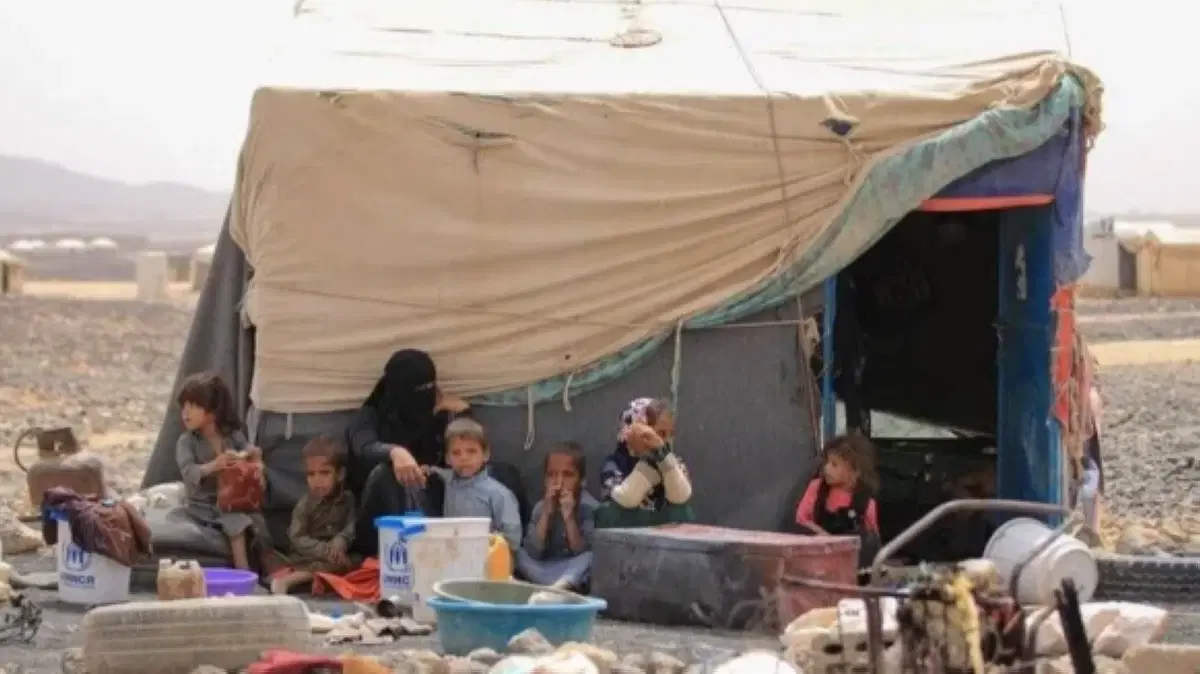
The Syrian Minister of Education, Muhammad Turko, announced on Monday that the number of students in Syrian schools is expected to rise to approximately 6 million during the current academic year, compared to 5.3 million last year and 4.3 million in 2024, due to the return of refugees, displaced persons, and dropouts to schools and an increase in births, as reported by the Syrian News Agency (SANA).
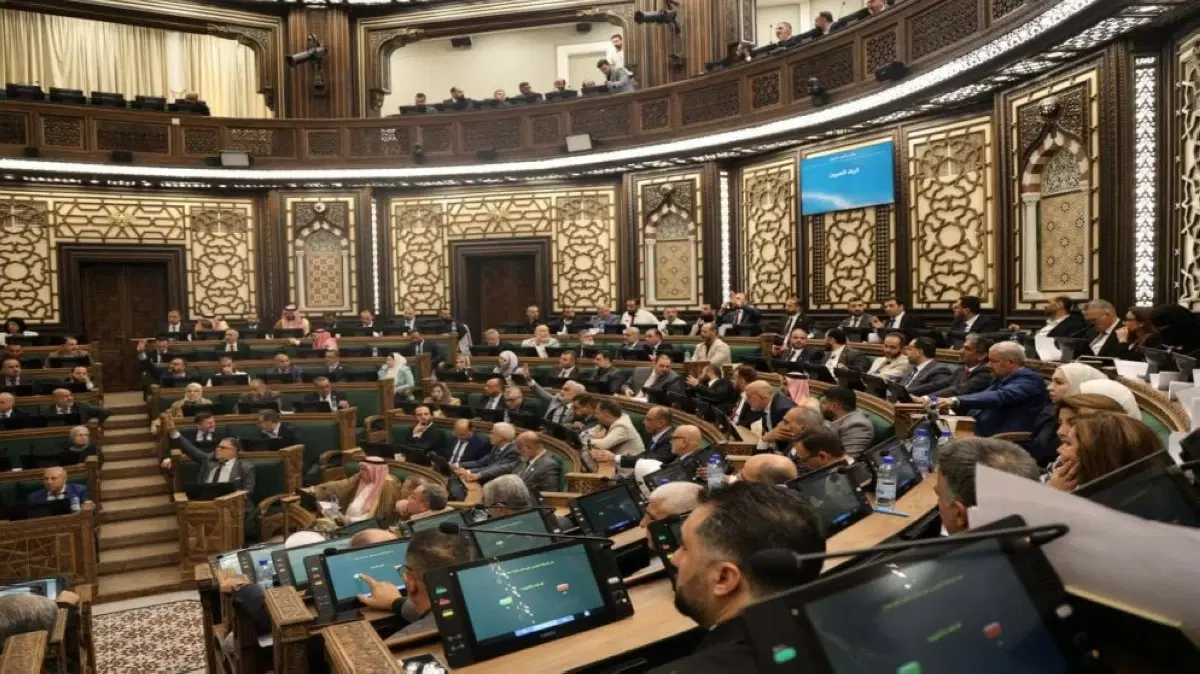
Turko said during a hearing before the People's Council that the Ministry is working according to two plans, the first is an emergency plan aimed at securing education for every child in Syria, and the second is a strategic plan to develop the educational system and build a "stronger and more just" system.
The Ministry faces a significant challenge in accommodating the increase, as Turko estimated the number of dropouts from schools to be about 2 million students, attributing this to economic and social reasons, while the government is working to address these causes.
In the context of accommodating returnees, the Ministry has adopted conditional acceptance for students who do not have school documents, granting them a year to complete them, along with conducting tests to determine the appropriate level and grade, and converting certificate equivalencies to the electronic system.
The Minister reported that the Ministry has opened 134 schools in Aleppo and 50 in Idlib, and is preparing to open 37 schools in Hama, while 3857 schools have been renovated, and work is underway to renovate 704 other schools, in addition to introducing 212 new schools into the educational system during the current year.
According to Ministry data, the number of school buildings is 18,312, including 15,568 operational schools, while 2744 schools are out of service, of which 822 are completely destroyed, 278 are used as shelters, 1321 are partially damaged, and 213 are under evaluation.
Turko pointed out that the Ministry has printed 41 million books for the current academic year, compared to 28 million books previously, and for the first time this academic year, a unified curriculum will be adopted after the existence of four educational systems, with students who studied the previous curricula being granted a transitional period of two years.
Regarding the cadres, the Minister said that the number of employees in the Ministry of Education is about 339,000, including 232,919 confirmed and about 63,000 contract workers, in addition to about 43,000 integrated teachers, noting that there is a discrepancy in the distribution of cadres between the governorates.
He also announced the re-employment of about 14,000 dismissed teachers who meet the conditions, while the Ministry is working on legislation to address their situations, stabilize them, and calculate their years of service.
The Minister of Education's session coincided with other files raised by members of the People's Council, including a request by more than 50 members to hear the Minister of Energy regarding the decision to raise fuel prices. The Council agreed to hold a hearing for the Minister of Energy next Thursday to discuss the new oil derivatives prices and their implications.
The Ministry of Energy had said that the increase in oil derivatives prices is "temporary," attributing it to the rise in global shipping and insurance costs due to regional developments, coinciding with maintenance work at the Banias and Homs refineries.