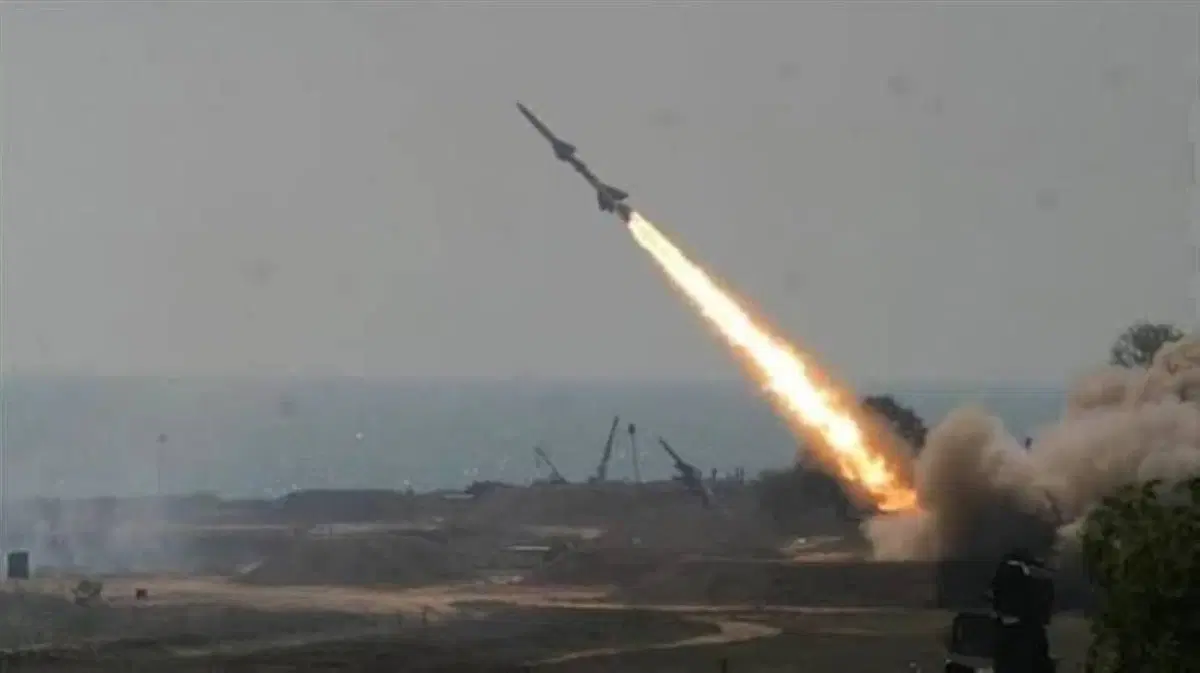
The Houthis also targeted Aden International Airport in Yemen with two ballistic missiles and "explosive" drones, according to the official Yemeni news agency "Saba".
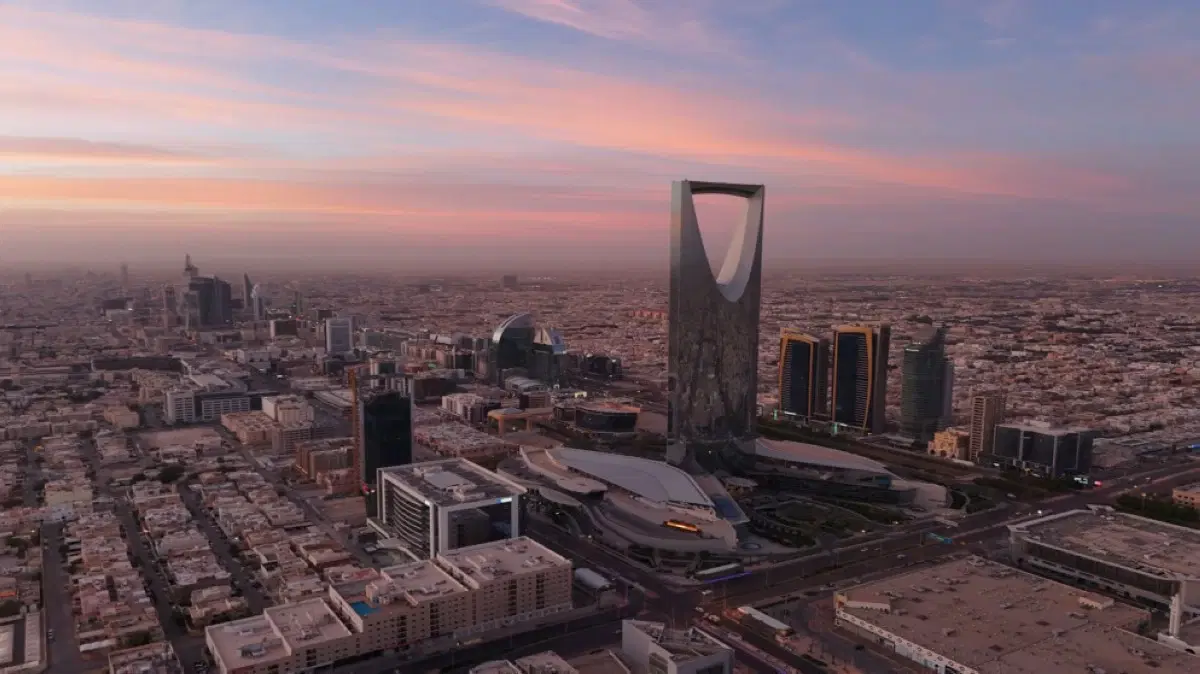
In response, Houthi military spokesperson Yahya Saree stated in a statement that the group targeted King Khalid Airport in Riyadh with several drones. No confirmation has been issued yet from Saudi Arabia regarding the attack on the airport.
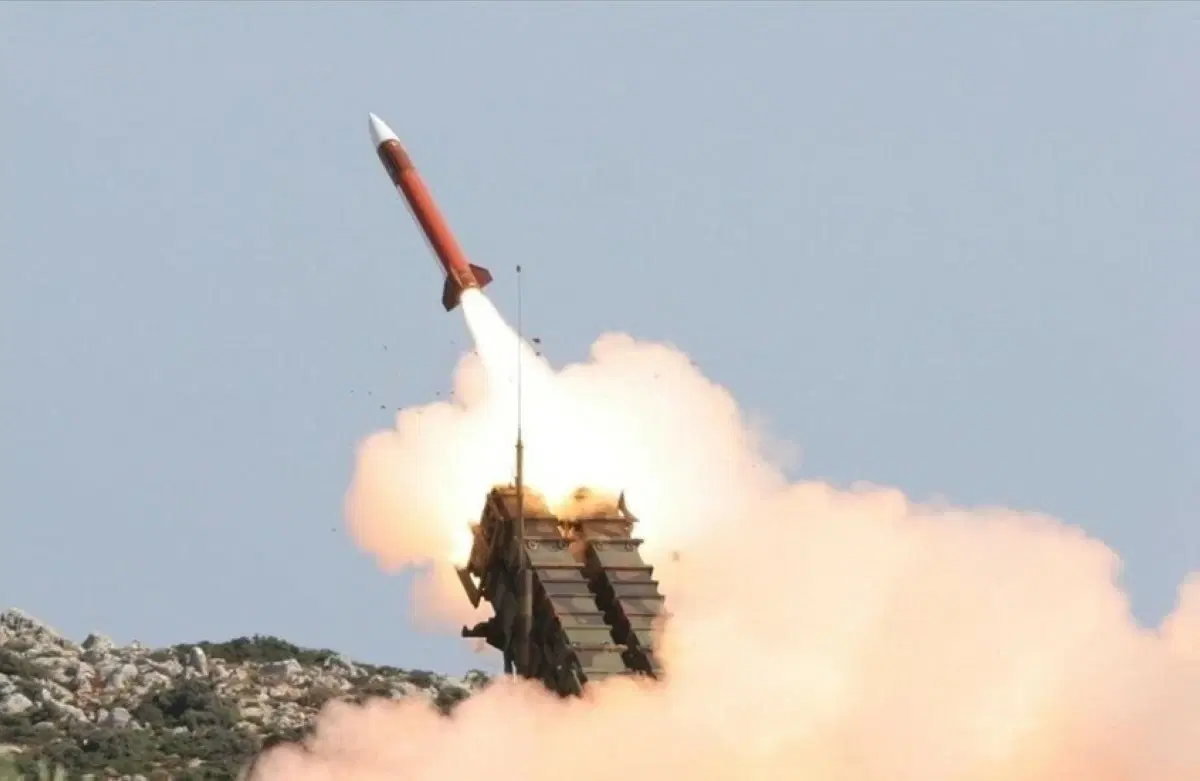
Earlier, the coalition announced the interception and destruction of a ballistic missile launched by the Houthis towards Khamis Mushait.
Al-Maliki said in his post, "The occupied capital Sanaa and the governorates of Saada and Amran are the sources of Houthi missile threats," noting that the coalition continues to neutralize the threat of ballistic missiles and surface-to-surface missiles and destroy their sources.
In July, a truce brokered in 2022 between the Houthis and the Yemeni government collapsed after the Houthis accused Riyadh of bombing Sanaa Airport to prevent an Iranian plane from landing there, before announcing a naval blockade on Saudi Arabia in response to what they consider a blockade of their controlled areas, and resuming targeting its carriers and oil facilities.
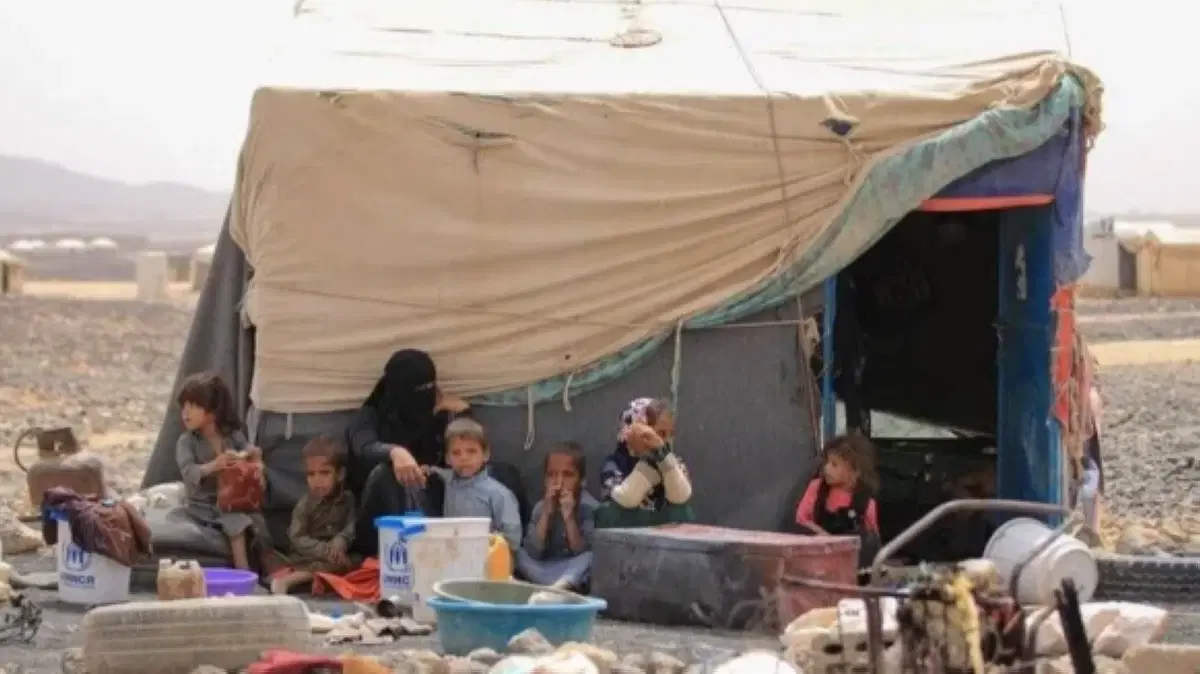
The war in Yemen began in 2014 when the Houthis launched a large-scale attack on Yemeni government forces and took control of Sanaa, the capital of Yemen, which is one of the poorest countries in the world. Since 2015, Saudi Arabia has led a coalition in support of the internationally recognized Yemeni government.
Yemeni Presidential Leadership Council President Rashad Mohammed Al-Alimi announced on Monday the launch of Operation "Dawn of Yemen" to restore state institutions, liberate the capital Sanaa, and end the Houthi militia's coup.
Al-Alimi said on his X account that the will of the Yemeni people and the bravery of the armed forces in various formations, with the support of brothers and friends, will push Yemen towards a new dawn of freedom, peace, and stability.