Skip to content
Amman —

Rashid Issa wins the Youssef Bakkar Award for Comparative Studies for "Representations of the Levant in Poetry"

Rashid Issa wins the Youssef Bakkar Award for Comparative Studies for "Representations of the Levant in Poetry"

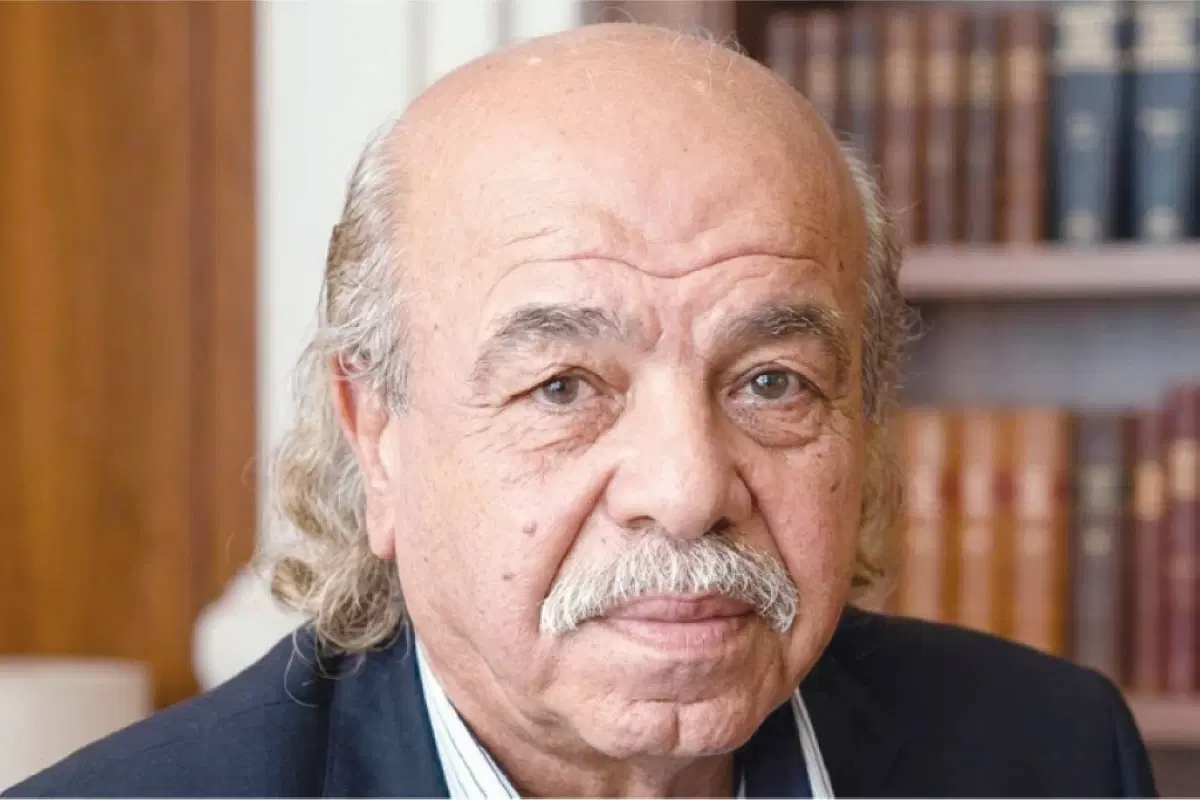
Poet and critic Dr. Rashid Issa has won the Prof. Dr. Youssef Bakkar Award for Comparative Studies, supervised by the Faculty of Arts at the Hashemite University, for his research titled "Representations of the Levant in Comparative Poetry: A Comparative Study Between Arab and Foreign Models."

The research addresses the presence of the Levantine place and symbol in shaping the poetic vision through a comparative study between models of Arabic poetry and their counterparts in translated foreign poetry, shedding light on the presence of place in the poetic experience and its intersections across cultures.
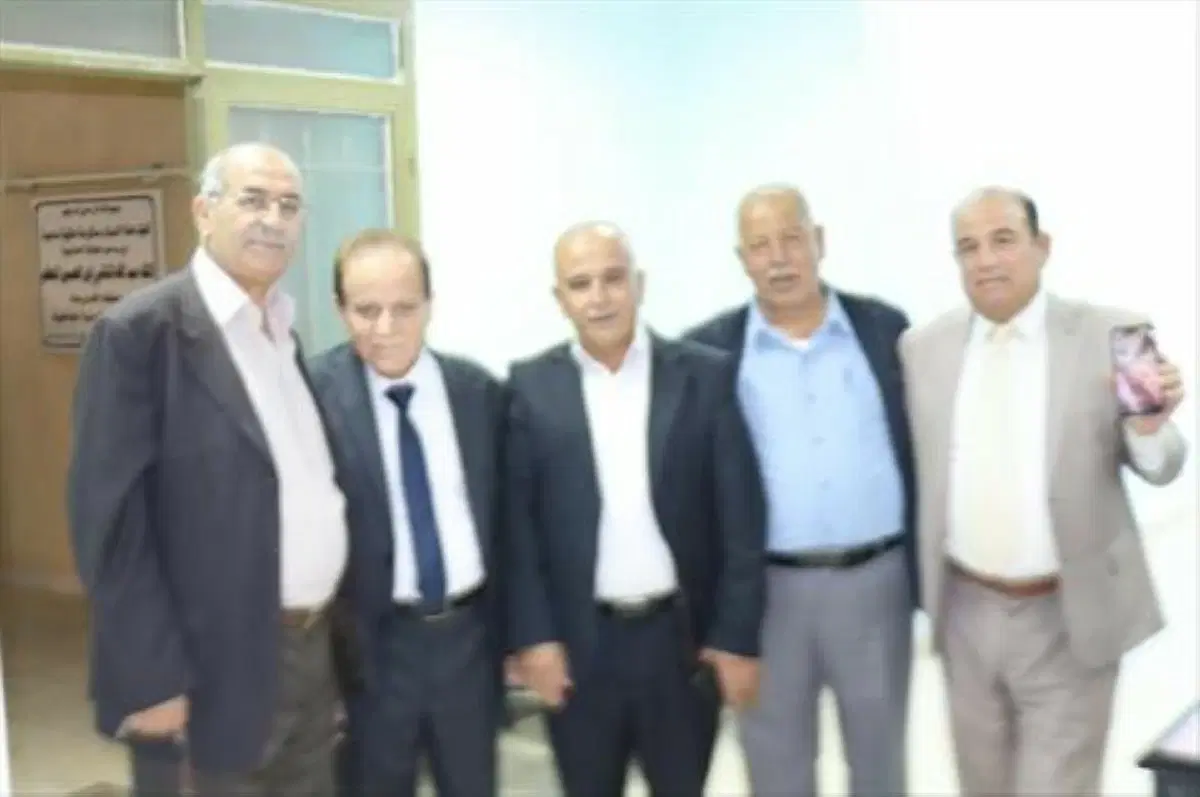
The award, named after the Jordanian critic and academic Dr. Youssef Bakkar, aims to encourage original academic research in the field of comparative literature, particularly studies that build bridges between Arabic literature and world and oriental literatures.

Issa, born in the village of Beit Mahsir in Jerusalem in 1951, is a poet, critic, and academic holding a Ph.D. in Arabic Language and Literature, specializing in modern literary criticism. He has worked as a professor of literature and criticism at Al-Balqa Applied University and a number of Jordanian and Arab universities.

Issa has published a collection of poetry volumes and critical works, alongside works in children's literature, and has received several awards throughout his career, including the State Encouragement Award in Jordan, the National Association of Children's Writers Award, and the Abdul Hameed Shoman Award for Children's Literature.

The award comes in honor of Dr. Youssef Bakkar's scholarly legacy and contributions to comparative literature, particularly his studies in Arabic and Persian literature and his studies on quatrains.

Know more about this story?Send us a tip

Al Rai

AI

Ask about this report — answers stay grounded in its text.

Answers are experimental and grounded in Al Rai reporting. Each question uses 2 credits.