Omani Energy Minister: Hormuz Strait will open and the situation may be short-term
Agencies3 min read
Share
Omani Energy and Minerals Minister Salem bin Nasser Al-Aufi said on Monday that the Hormuz Strait will open, predicting that the current situation may be short-term and stabilize in the medium term.
Al-Aufi added that he is pleased that the Sultanate of Oman is still able to continue producing oil and gas, noting that the sharp rise in oil and LNG prices is not sustainable for everyone.
He emphasized the need to diversify exit points and identify alternative options for energy exports, whether through the Sultanate of Oman or Yemen.
Al-Aufi's statements come amid regional movements related to the Hormuz Strait, as Axios reported, citing a Gulf official, that Saudi Arabia made amendments to the Omani-Iranian proposal related to the Strait.
According to the official, the amendments were due to Saudi concerns that the proposed wording could establish a new reality in the Strait that the Gulf Cooperation Council countries could not accept.
Omani Foreign Minister Badr Al-Busaidi announced on Sunday the postponement of a regional meeting scheduled for Monday in Salalah between Gulf countries and Iran to discuss possible agreements on the Hormuz Strait, to a later date.
Al-Busaidi said in a post on the X platform that the decision to postpone was "to create the appropriate conditions for a constructive dialogue that contributes to achieving sustainable understandings that support the security and stability of the region and meet the aspirations of its peoples for cooperation and peace."
The Iranian Fars News Agency quoted an Iranian Foreign Ministry official as saying that the meeting was postponed at the request of some regional countries, in a decision jointly taken by Tehran and Muscat, adding that Iran will coordinate with Oman to set a suitable date for it.
Iranian officials had announced that they would attend the meeting with Gulf countries to present an agreement with Oman on regulating navigation routes through the Hormuz Strait.
In a related context, Iranian Foreign Minister Abbas Araqchi said in an interview with the 'Arabi Al-Jadeed' website that Iran will not reopen the Strait unless the United States meets Tehran's demands, regardless of any agreement with the Sultanate of Oman.
These developments coincided with pressure on energy supplies, as oil prices rose at the start of Monday's trading, following developments threatening supplies from Saudi Arabia, the world's largest oil exporter, which kept a major east-west pipeline 1,200 kilometers long closed at the weekend after it was damaged by drone attacks on Friday.
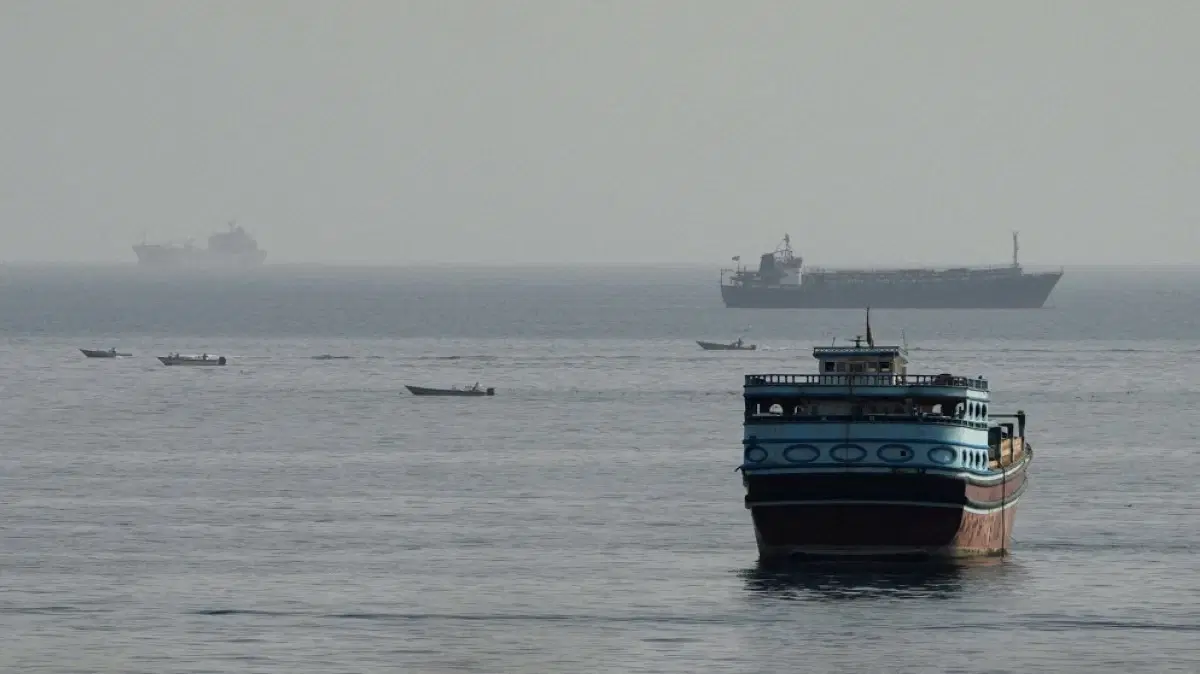
The east-west pipeline was a major route for transporting oil away from the Hormuz Strait.
Meanwhile, navigation through the Strait remains risky, as the British Maritime Trade Operations Authority announced on Sunday that a ship was hit by a projectile while passing through the Hormuz Strait, causing a fire and forcing its crew to evacuate.