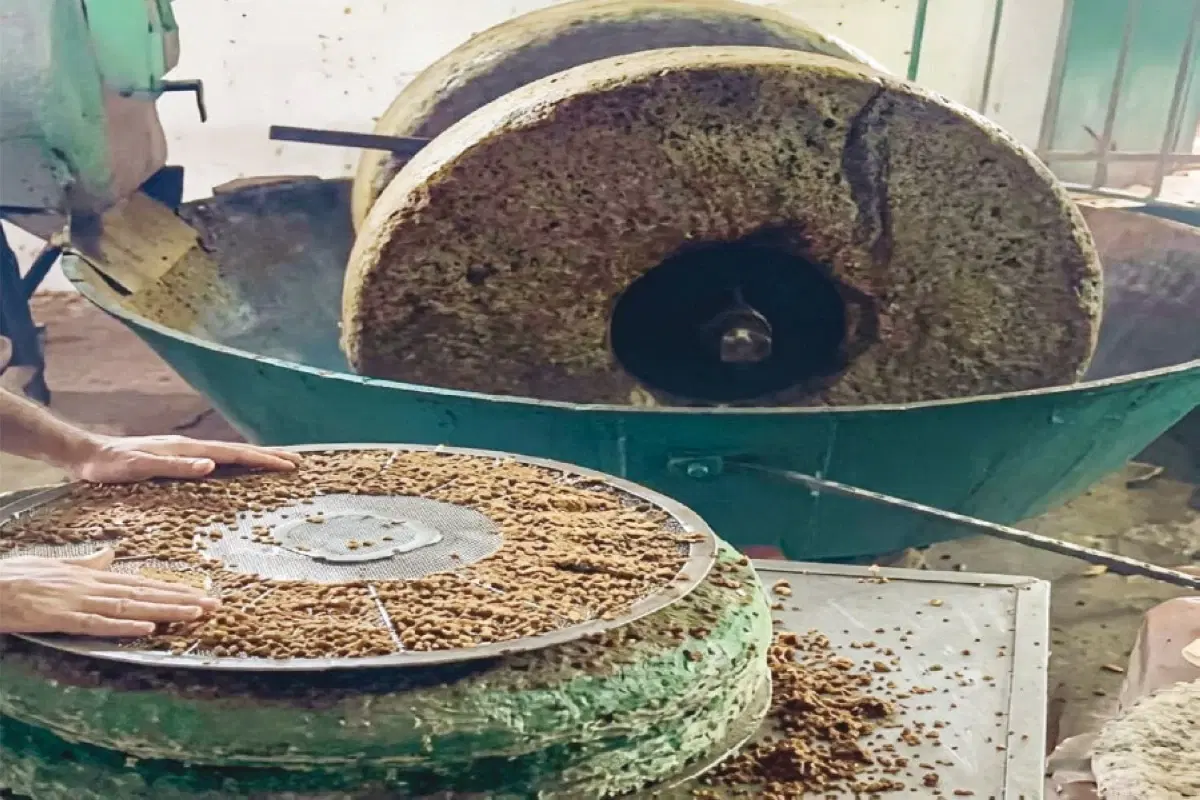
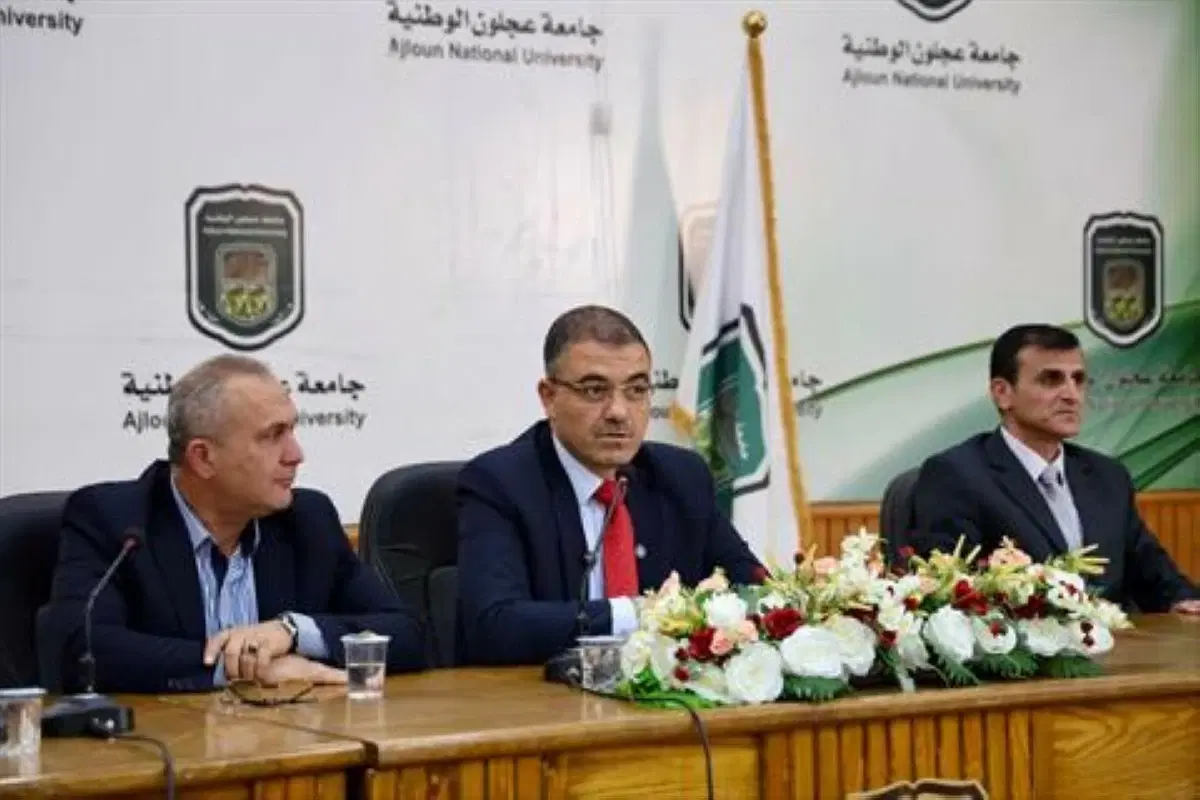
Dr. Abdul Hafez Abu Arabi, Director of the Irbid Governorate Agriculture Directorate, said that as of Thursday, 48 mills had completed all necessary licensing procedures for operation, while five mills were currently working to rectify their situations and meet the required conditions, noting that they would be granted licenses as soon as the situation is rectified in direct cooperation and coordination between the Ministry of Agriculture and the Syndicate of Mill Owners.
Abu Arabi emphasized that the directorate was very keen to scrutinize and inspect all mills and ensure their compliance with the systems, laws, and health and environmental requirements followed by the Ministry before granting licenses, praising the high level of commitment and tangible cooperation shown by the mill owners, and wishing that the governorate would witness a bountiful and blessed season of olive oil, which contributes to supporting the Jordanian product and enhancing its position, and returns direct benefits to farmers and the local community to drive the economic wheel in the region.
In turn, the owner of the modern Qamm Mill, Khaled Kharasha, said that the mills had completed all technical and operational preparations and welcomed the season by completing the official licensing procedures, calling on farmers to adhere to the customary date for opening the mills, which falls on the fifteenth of the current month. Kharasha called on farmers not to pick olive fruits at early dates and that harvesting operations should coincide with the opening of the mills to ensure the maturity of the fruits and maintain the quality of the oil and the high extraction rate, appreciating the real partnership between the Ministry of Agriculture, the Syndicate of Mill Owners, and the farmers, and confirming that the governorate of Irbid enjoys a good and distinguished reputation in the production of olive oil, which is one of the best-known agricultural products worldwide.