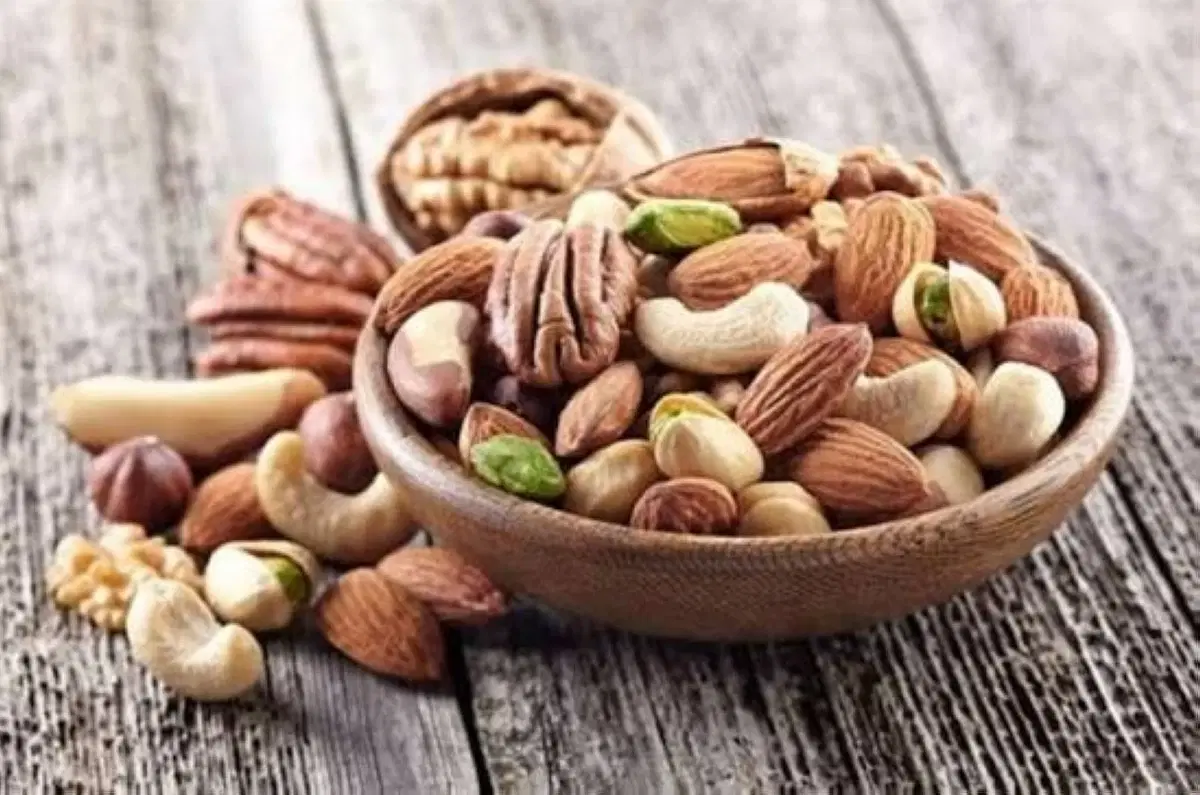
Nuts have long been associated with weight gain in the minds of many, due to their high content of fat and calories. However, nutritionists emphasize that consuming them in moderate quantities can be part of a healthy diet, thanks to their richness in protein, fiber, unsaturated fats, minerals, and vitamins.
Research indicates that nuts may help control weight, and promote heart, brain, and gut health, in addition to the role of certain types in providing the body with essential nutrients. So, what are their most prominent benefits, and what is the appropriate daily amount to consume?
1. Nuts do not necessarily mean weight gain
Despite the high calorie content in nuts, their effect on the body differs from that of processed foods rich in calories and poor in nutrients.
The body does not absorb all the fats present in them, as a proportion of them remains trapped within their fibrous cell walls and does not reach the bloodstream. Moreover, the combination of protein, fiber, and unsaturated fats helps enhance the feeling of fullness for a longer period, which may reduce the desire for snacking between main meals.
Some studies indicate that including nuts in balanced diets does not necessarily lead to weight gain, but may actually help manage it.
A portion of about 30 grams daily is considered an appropriate amount for many people, taking into account total calories and individual needs.
2. Walnuts.. a food that supports brain health
Walnuts are characterized by containing plant-based omega-3 fatty acids, alongside protein and antioxidant polyphenol compounds, which are elements that contribute to supporting body and brain health.
A study conducted by the University of Reading indicated that consuming 50 grams of walnuts with breakfast was linked to an improvement in certain indicators of mental performance in young adults, including reaction speed and memory throughout the day.
Healthy fats and antioxidants help support brain functions, yet the evidence remains insufficient to assert that consuming walnuts alone prevents Alzheimer's disease or stroke.
3. Brazil nuts.. a rich source of selenium
Brazil nuts are considered one of the richest dietary sources of selenium, a mineral essential for thyroid function, supporting immune functions, and protecting cells from oxidative stress.
They also contain other minerals, such as magnesium, copper, and phosphorus, alongside fats.
However, the most prominent feature of this type may turn into a source of danger when overconsumed; the amount of selenium in a single nut varies significantly, and consuming them in high quantities may lead to poisoning.
Therefore, it is often sufficient to eat one or two nuts from time to time, while taking into account other sources of selenium in the diet, rather than eating large quantities daily.
4. Almonds.. support for gut health and satiety
Almonds are rich in fiber, with a 30-gram portion providing about 3 to 4 grams of it, which helps improve bowel movement and enhance the feeling of fullness.
Fiber also contributes to nourishing certain beneficial bacteria in the gut, which may support microbiome diversity and digestive health.
Almonds also contain vitamin E, an antioxidant that helps protect cells from damage. They also provide protein, unsaturated fats, and important minerals that the body needs.
Consuming them regularly as part of a balanced diet can be beneficial for heart health, especially when used as a substitute for snacks rich in saturated fats and sugars.
5. Pecans.. a beneficial choice for heart health
Pecans contain unsaturated fats and antioxidant plant compounds, along with vitamin E and multiple minerals.
Studies indicate that consuming pecans as part of a healthy diet may help improve levels of bad cholesterol (LDL), which can accumulate in artery walls and raise the risk of cardiovascular disease.
This potential benefit is due to their nutritional composition, but the magnitude of the effect depends on the consumed quantity and the overall diet, rather than a single type of nut alone.
6. Nut butters.. the right choice starts with the ingredients
Almond, hazelnut, peanut, and other nut butters provide protein, fiber, and healthy fats, and can be a useful addition to daily meals.
However, some commercial products contain added sugars or extra oils, which may raise their calorie count and reduce their suitability for certain diets.
Therefore, it is recommended to choose products that consist primarily of nuts, without added sugars or unnecessary oils, while paying attention to the amount of salt.
It is also important to monitor portion size; a tablespoon of nut butter typically contains about 90 to 100 calories, and this amount can easily rise when eaten directly from the jar.
How can nuts be added to the diet?
The benefits of nuts can be harnessed in simple and varied ways, including:
With fruit: Eating almonds or walnuts with oranges, strawberries, or other sources of vitamin C, which enhances the absorption of iron found in plant-based foods.
With yogurt: Adding nuts to yogurt to obtain a mix of protein, healthy fats, and fiber, with the possibility of adding fresh fruit.
With oatmeal: Sprinkling crushed walnuts or almonds on oatmeal to boost the nutritional value of breakfast.
With salads: Adding a small amount of unsalted nuts to give the meal a crunchy texture and unsaturated fats.
As a snack: Eating a small handful, equivalent to about 30 grams, instead of potato chips or sweets.
Conclusion
Nuts are not an enemy to a diet; rather, they can be an important part of a balanced diet, thanks to the healthy fats, protein, fiber, and essential nutrients they provide. However, benefiting from them depends on moderation in quantity, choosing unsalted or low-salt varieties, and avoiding products rich in sugar and added oils.
The most important rule: It is not about eliminating nuts out of fear of their calories, but about consuming the appropriate amount of them within a diverse and balanced diet.